The conversation that never happens
Here's the thing. Most couples don't talk about this. One person quietly wants to explore a lemon clitoral vibrator. The other person hears it as a criticism. They wonder if they're not enough. Then nobody brings it up again, and the conversation just dies.
That silence costs both of you.
The truth is simpler and less fragile than either person thinks. A vibrator isn't about your partner failing you. It's about anatomy. Your body works a certain way, your partner's hands work a different way, and neither of those things is anyone's fault. A Lemon vibrator is physics, not a referendum on your relationship.
Why your partner thinks they should be enough
Most people grow up with one unspoken rule: if you love someone, you should be able to satisfy them without tools. It's romantic. It's also nonsense, but it's baked into almost every cultural story we absorb.
Your partner probably believes that if you needed a clitoral vibrator, you would have told them. They might also believe that needing one means they're doing something wrong. And they might be scared of what it means about your desire or your attraction to them.
They're working from incomplete information. That's your starting point.
Separate the three conversations
Most couples fail here because they try to have one conversation when they actually need three.
Conversation One: The Physical Reality
Start here. Not with emotion, not with your relationship. Just biology. Here's what's true: most people with clitorises don't orgasm from penetration alone. That's not unique to you. It's typical. It's also not negotiable. Your body is your body.
When you frame it as a physical fact rather than a personal preference or a failure on your partner's part, it stops feeling like criticism. You're not saying, "You can't make me come." You're saying, "Here's how my body actually works. It's nobody's fault. This is useful information."
A lemon clitoral vibrator does one specific thing: it delivers rapid stimulation to the clitoris. Your hands, your partner's hands, even the best traditional vibrators don't do that the same way. That's not romantic or unromantic. That's just true.
Conversation Two: Your Desire
This is where you clarify: using a vibrator doesn't mean you want them less. It means you want to feel good. Those are completely separate things.
Your partner might worry that if you come with a vibrator, it means you didn't really want them. That's worth addressing directly. Tell them: "I want you here. I want to feel connected to you while I'm using this. That's what I'm asking for."
You could also say: "When I use a Lemon vibrator, I feel more present, more able to enjoy you, not less." For many people, that's literally true. Less pressure to perform means more actual pleasure.
Conversation Three: What You're Actually Asking For
This is the practical part. You're not asking your partner to disappear. You're asking them to be part of something. You want them to:
- Hold you while you use it
- Be inside you while you use it against your clitoris
- Watch you, touch you, kiss you
- Use it on you themselves
- Or sometimes, give you space to explore alone
Each of those is different. Be specific about what you actually want. "I want to use a vibrator" is vague and sounds scary. "I want you to be inside me while I use a vibrator on my clitoris" is concrete and actually sounds good to most partners once they get over the initial shock.
How to actually start the conversation
Timing matters. Not during sex, not after a fight, not when you're already frustrated. Pick a neutral moment. You could say:
"I've been thinking about something I want to try, and I want to talk about it with you because it matters to me that you understand why. Can we sit down for a few minutes?"
That opener does two things: it signals importance (so they don't think you're asking casually) and it gives them a chance to prepare mentally (so it doesn't feel like an ambush).
Then walk through the three conversations. Start with the physical fact. "Most people with vulvas need clitoral stimulation to orgasm, and the kind of rapid stimulation a vibrator provides is something hands alone can't replicate. That's just how the anatomy works."
Then move to your desire. "I want to experience that kind of pleasure. And I want you to be part of it."
Then get specific. "I've been looking at lemon vibrators, and I think I want to try one. I want you to help me figure out how we use it together."
If they get defensive, don't defend. Just listen. "I hear you. I know this might feel like something unexpected. That makes sense. I'm not asking you to figure this out alone. We figure it out together."
Why Lemon vibrators specifically change the conversation
This might sound odd, but the design of the tool matters psychologically. Lemon vibrators use air-suction technology instead of traditional vibration. They feel completely different. They look different. They don't look clinical or intimidating the way some vibrators do.
That aesthetic shift matters. When your partner sees it, they can more easily see it as a tool rather than a threat. It's easier to hold, easier to use together, and honestly, easier to talk about. There's something almost playful about the name itself that softens the conversation.
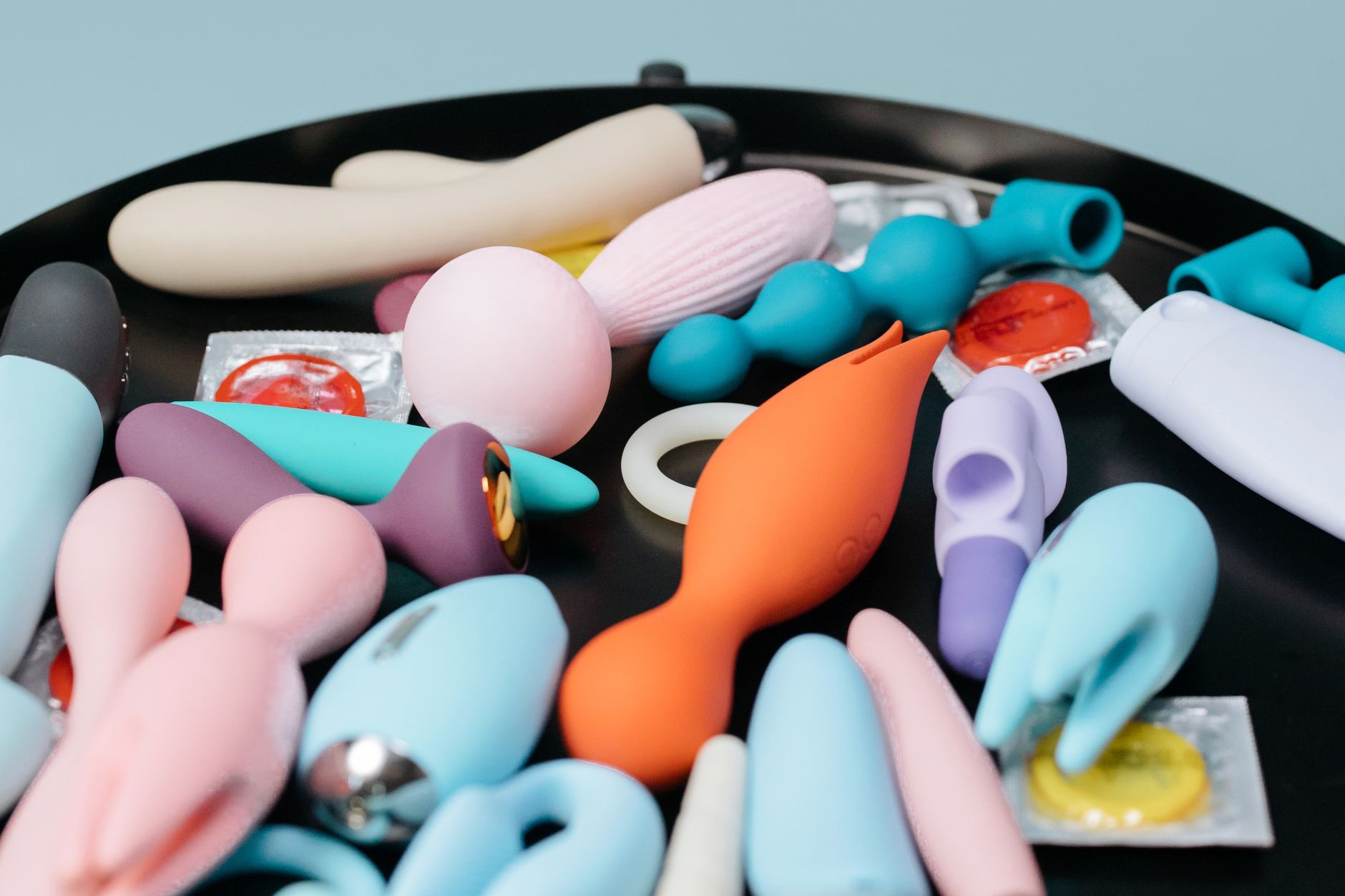
Photo by cottonbro studio on Pexels
Making it work together: practical strategies
Once you've had the conversation, here's what actually helps:
Start slow. Use it alone first. Let your partner watch if they want to, or let them read about it, or just tell them how it feels. Familiarity kills anxiety. Once they see that you using a vibrator doesn't change how you feel about them, the magic happens.
Use it together early. Don't wait until you're both frustrated. When things are good between you, introduce it playfully. "I want to show you something that feels amazing. You're going to like this." Because honestly, most partners find they do.
Let them hold it. Some of the best moments happen when your partner is the one holding the lemon clitoral vibrator against you. It puts them back in the driver's seat. They're not being replaced. They're being upgraded.
Talk during. Not dirty talk necessarily. Just small check-ins. "That feels good." "Move it slightly left." "Go slower." This keeps the conversation open and reminds you both that you're collaborating, not performing.
Connect it to your pleasure, not their performance. If they're worried they weren't making you come, don't let them think a vibrator solves that problem. Instead, frame it as exploration. "I want to learn what I respond to, so I can tell you. This helps both of us." Because it does.
When it's deeper than just understanding
Sometimes the resistance isn't about misunderstanding. Sometimes your partner has real anxiety about intimacy, or control, or their own insecurity about sex. That's worth naming.
If the conversation keeps hitting a wall, it might help to have it with a couples therapist. Not because something is wrong with you or your relationship, but because a third person can help translate. They can remind your partner that supporting your pleasure isn't a threat to their role. They can help you both see that you're on the same team.
The goal isn't to convince your partner to be fine with something. The goal is for both of you to understand that your pleasure matters and that exploring it together actually brings you closer.
When you use it together, what actually happens
Honestly? Most partners are surprised. They watch you respond, they feel how present you are, they realize this isn't threatening at all. It's actually hotter. Your pleasure becomes something you're sharing rather than something one person is responsible for providing.
And yes, when you feel less pressure about whether your partner can make you come, sex often gets better for both of you. Less performance anxiety on your end means you're actually present. Less pressure on your partner means they can relax too.
A lemon clitoral vibrator becomes less of a tool and more of a bridge. It's what helped you both understand that your pleasure isn't a zero-sum game. It's something you build together.
Frequently asked questions
How do I bring up vibrators without hurting my partner's feelings?
Frame it as exploration, not criticism. "I've been curious about trying something new, and I want you to be part of it" is very different from "You're not giving me what I need." Lead with the physical fact that most bodies need specific kinds of stimulation. That's not about your partner failing. That's about anatomy.
What if my partner says no?
Ask what the no is really about. Is it discomfort? Insecurity? A different value system? Each one gets a different conversation. Discomfort might shift with time and information. Insecurity might need reassurance. Values might need real negotiation. But understand what you're actually dealing with first.
Can we use a lemon clitoral vibrator during penetration?
Yes. Many partners actually prefer this because it keeps them involved. They can be inside you while you or they hold a vibrator against your clitoris. It often feels better for both people, and it keeps the connection physical and intimate.
What if I want to use it alone sometimes?
That's completely normal and worth saying upfront. "I'd like to explore this solo sometimes, and I'd also like to use it with you." Most partners can handle that. It's the secrecy or surprise that creates problems, not the tool itself.
Should I ask my partner's permission?
No. You shouldn't need permission to explore your own body. But you should ask for partnership in how you explore it together. There's a big difference. One respects your autonomy. The other builds connection.
How do I know if my partner will ever be comfortable with this?
You don't until you try. Some partners surprise you. Some need time. Some genuinely won't get there, and you'll have to decide what that means for your relationship. But most people, given good information and a little reassurance, come around. Especially when they realize it actually makes sex better.
The real shift
When this conversation goes well, something changes. You stop seeing pleasure as something your partner gives you or doesn't give you. You see it as something you both understand and can create together. That's when a lemon clitoral vibrator stops being a controversial object and becomes just a part of how you both experience intimacy.
Your partner's understanding matters. But your pleasure matters more. If you want to explore a Lemon vibrator and your partner doesn't get it yet, start with the conversation. Most of the time, understanding isn't far behind.
If you're looking for more ways to navigate pleasure and partnership, exploring solo pleasure after years with a partner can help you understand your own needs first. And if communication feels stuck, wanting deeper connection with your partner is worth a separate conversation too.
Your needs matter. Your pleasure matters. And when your partner finally understands that, everything shifts.