The performance trap nobody talks about
Here's the thing: you're not broken. Your body isn't failing. But your brain is working against you, and that's a completely different problem.
Performance anxiety in sex is weirdly common and rarely discussed with actual honesty. You're worried about how long it takes, whether you look attractive, if you're taking too long to orgasm, whether your partner is getting bored, whether you're being loud enough or quiet enough. The goal line keeps moving, and your nervous system is now running the show instead of your sensations.
When you're caught in the performance cycle, pleasure becomes a test you might fail. Your body responds by tensing up. Blood flow redirects away from the genitals. Arousal stalls. And then the anxiety compounds because now nothing is working, which feels like proof that something is wrong with you. It's not.
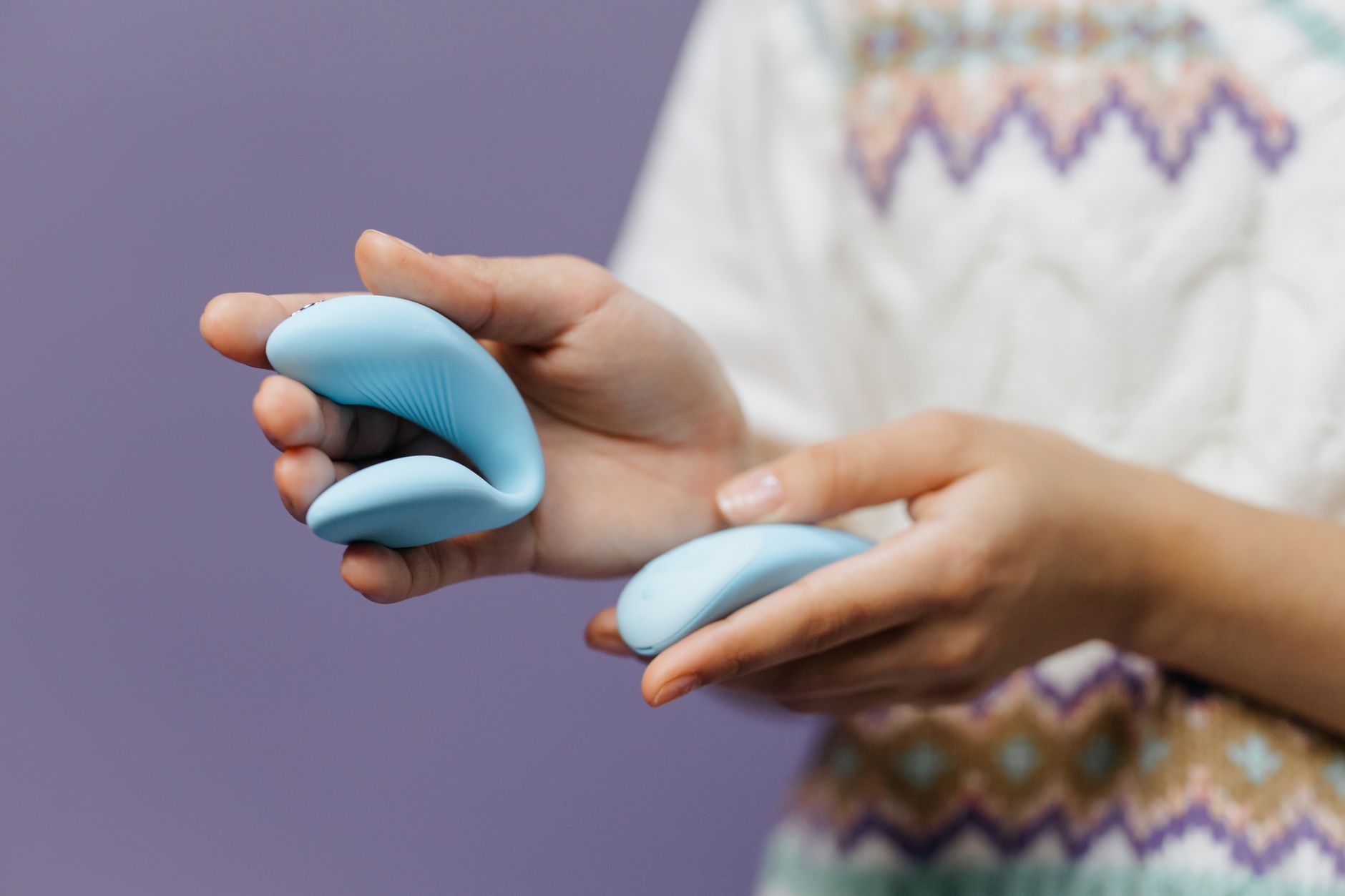
This is where clitoral vibrators like those from Lemon Massagers become genuinely useful. Not as a magic fix, but as a tool that interrupts the anxiety loop by forcing your attention back to sensation.
Why performance anxiety kills arousal in the first place
Your autonomic nervous system has two main modes: the sympathetic nervous system (fight, flight, freeze) and the parasympathetic nervous system (rest, digest, arousal). Sex requires parasympathetic activation. Anxiety keeps you stuck in sympathetic mode.
When you're worried about performance, your body literally cannot relax enough for arousal to build. Your pelvic floor stays tense. Your breathing gets shallow. Blood vessels in the genitals constrict instead of expanding. None of this is a choice you're making consciously. It's physiology.
The secondary problem is cognitive: you're splitting your attention between what's happening and what you're worried about. Even mild self-monitoring ("Am I taking too long? Does my body look okay right now?") is enough to interrupt the neurological cascade that leads to orgasm. Intense orgasms require what researchers call "mental absorption." You can't have that if part of your brain is narrating the performance.
How vibration changes the equation
Clitoral vibrators work partly through direct stimulation, but they work partly by making it nearly impossible to stay in your head. The vibration pattern demands attention. Your nervous system has to focus on what it's feeling rather than what it's thinking.
This is more true for air-suction stimulation (like the technology in Lemon Massagers) than for traditional vibration. Air-suction creates a rhythmic pattern that's novel enough to hijack your attention. Your brain stops narrating and starts receiving. That's the state you need.
Secondly, having a reliable tool removes the pressure to "perform naturally." You're not relying on a partner's specific touch or your own manual stimulation. You're not assessing whether things are working. You're just letting the device do what it does while you focus on sensation.
Breaking the solo anxiety cycle first
If you're anxious about performance, start alone. This is not a limitation; it's the smartest place to rebuild a sensory connection.
When you're by yourself, nobody is watching, nobody is getting impatient, nobody is waiting for you to orgasm. The stakes are zero. That matters. Spend time with a lemon clitoral vibrator in a way that has no goal. Not "use this to orgasm." Just "use this and notice what happens."
Setting matters here. You need a space where you're not watching the clock, where you're not expecting the experience to look or feel a certain way. Twenty to thirty minutes is ideal, but honestly, even ten minutes of actual attention beats thirty minutes of anxious rushing.
Start at the lowest setting. Notice the sensation without judging it. If you find your mind spinning into performance thoughts ("This should feel better," "Why isn't this working," "Am I doing this right"), gently bring your attention back to the physical feeling. This is meditation. It's also the fastest way to rebuild arousal.
Many people find that after even three or four solo sessions with focused attention, anxiety begins to loosen its grip. Your nervous system remembers what pleasure without pressure feels like.
When you're ready to bring a partner in
Once you've rebuilt some confidence solo, the next step is reframing the conversation with your partner. This is crucial.
Instead of "I want to use a vibrator," try "I've realized I get in my head during sex, and I want to try something that helps me stay present." That's the honest truth. It's not about inadequacy. It's about you reclaiming mental space.
If your partner has any resistance to toys, read our post on how to use lemon vibrators when your partner thinks toys are cheating. But the fastest way to shift resistance is to show them that using a vibrator makes you more present, more responsive, and frankly more available for connection. Most partners care about that.
When you're together, give yourself permission to focus on sensation again. This might feel weird. You might feel like you're supposed to maintain eye contact or be responsive in a certain way. You're not. You can close your eyes. You can breathe. You can ask for quiet, or for your partner to just be present without doing anything. The vibrator is your anchor to sensation. Everything else is optional.
The specific rhythm that helps anxiety calm down
Not all vibration patterns are equal for anxiety. You want something that's rhythmic enough to hold your attention but not so intense that it triggers overwhelm.
Start with the lowest intensity. Let your body acclimate. Many people with performance anxiety actually have a lower threshold for stimulation, not a higher one. Your nervous system is already activated. You don't need more activation; you need grounding.
If a pattern feels too intense, dial it back. If you find yourself tensing up mentally, pause for thirty seconds. Breathe. Then return. You're not racing toward an orgasm. You're teaching your nervous system that pleasure can happen without performance.
The breakthrough often comes somewhere between the third and eighth session, when your body stops bracing for something to go wrong.
Managing the voice that says you're not doing it right
Performance anxiety loves to whisper that you're doing this wrong, that you should come faster, that using a vibrator means you're broken or that your partner won't find you attractive.
That voice is lying. It's not feedback; it's fear.
One technique I recommend: name the voice. Call it "the critic." When it speaks up ("You're taking too long," "This feels weird," "Something's wrong"), literally say or think, "Thanks, critic, I'm okay." This sounds silly, but it works because it separates you from the thought. You're not the critic. The critic is just anxiety doing its job poorly.
Another version: when the anxious thought arrives, ask yourself, "Is this thought true, or is it anxiety talking?" Usually the answer is clear. Anxiety is not a good source of information about what's happening in your body right now.
When to know this is more than performance anxiety
If you've been using a lemon clitoral vibrator consistently for a month and you're still feeling stuck, or if the anxiety is accompanied by pain, numbness, or a complete absence of any pleasurable sensation, it's worth talking to a therapist or a sex-informed healthcare provider.
Performance anxiety is common and treatable. But sometimes it overlaps with past trauma, depression, relationship disconnection, or physical health factors. A professional can help you sort out what's what.
For many people, though, the combination of solo practice with a clitoral vibrator, honest conversation with a partner, and consistent compassion toward yourself is enough to break the cycle.
The goal is sensation, not achievement
Here's the reframe that changes everything: sex is not a performance. It's not something you pass or fail. It's an experience. The only goal is to feel good, and what that feels like changes every single time.
Using a lemon vibrator isn't a workaround. It's a way of saying, "I'm going to stop performing and start paying attention." Once you do that, once your nervous system learns that pleasure without pressure is possible, the anxiety loses its grip.
You deserve sex that feels good without the weight of judgment. That's not selfish. That's the whole point.