Let's be real about grief and desire
Grief kills libido. Not always immediately, but reliably. When you're processing loss, your nervous system is in protection mode. Pleasure feels impossible, sometimes insulting. You might go six months, a year, or longer without even noticing the absence.
Then one day something shifts. A song comes on. You catch your own reflection. Your body remembers what it wants. And suddenly you're confused because that desire feels like a betrayal.
It's not. This is normal. And navigating it takes more than just reaching for a vibrator.
What's actually happening physiologically
Grief and pleasure operate on opposing nervous system pathways. When you're grieving, your vagus nerve keeps you in a state of vigilance and protection. Sexual arousal requires the parasympathetic nervous system to activate. Those two systems can't run simultaneously. So desire doesn't just take a backseat. It often vanishes completely.
When desire returns, it means your nervous system is beginning to feel safe again. That's not weakness or disloyalty. It's healing.
But here's the complicated part: returning desire doesn't mean you're "over it." You can experience genuine arousal and genuine grief in the same hour, sometimes in the same moment. Many people report orgasms that feel bittersweet or tinged with sadness. Your body isn't broken. It's integrating.
The guilt piece
If you've lost a partner, the guilt is real. "How can I want this when they're gone?" If you've lost a parent or a child, the guilt might be different. "It feels wrong to prioritize pleasure right now." If the grief is more recent, pleasure might feel like you're moving on too fast, like you're betraying the weight of the loss.
Here's what matters: pleasure does not erase grief. Your ability to experience joy, sexuality, or comfort does not diminish the significance of what you've lost. These exist parallel to each other, not in competition.
Some of my clients find it helpful to reframe this moment. Returning desire isn't about "getting over it." It's about honoring the fact that you're still here, still alive, and your body deserves attention and care.
Why starting slow actually works better
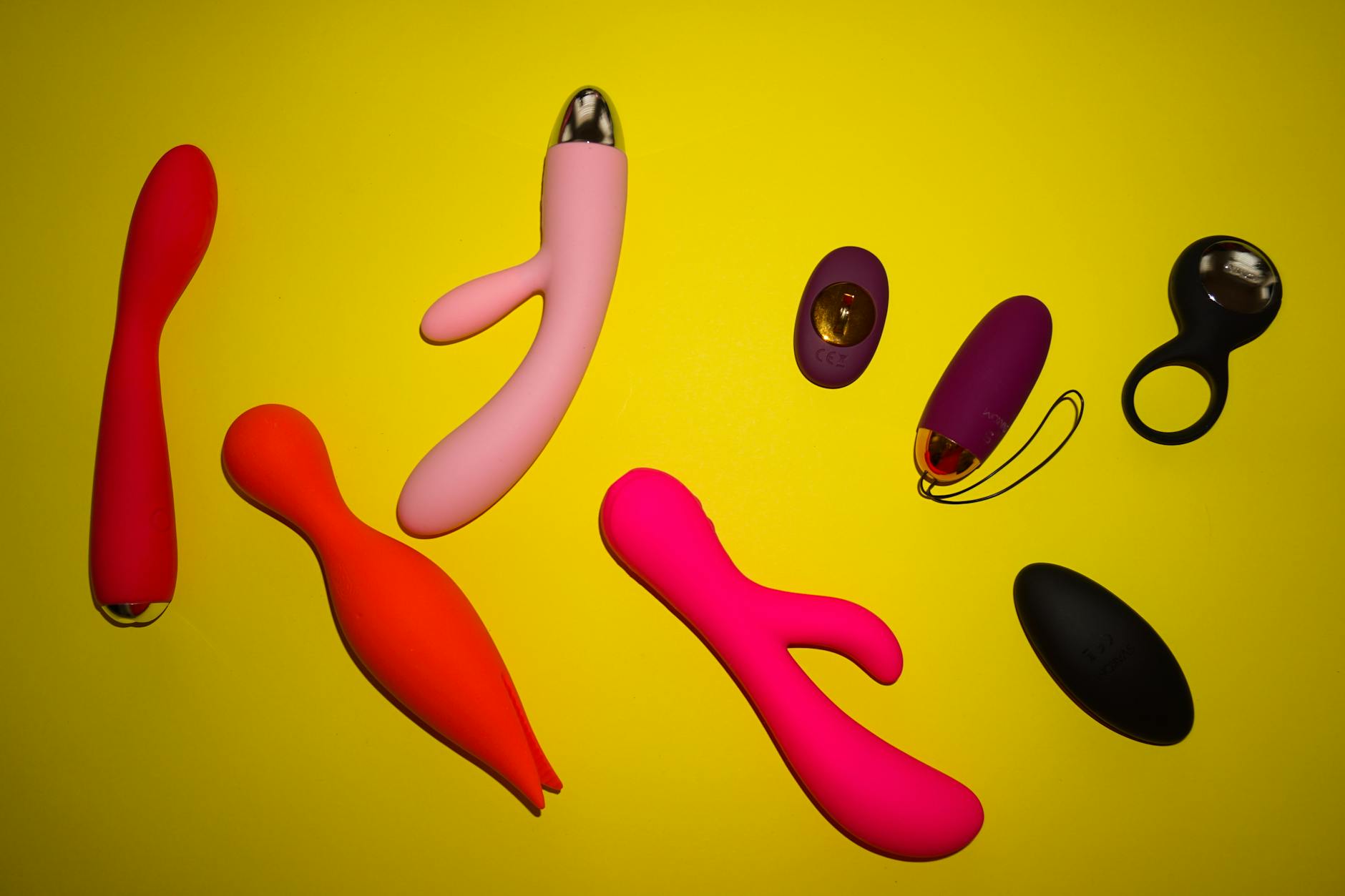
When desire returns after grief, intensity can be overwhelming. A clitoral vibrator like the Lemon can be powerful, and that power might feel jarring if you've been numb for months. Start with settings one and two instead of jumping to full intensity.
Lower intensity gives your nervous system time to acclimate. It lets you notice what you're feeling without being flooded by sensation. Many people find that gentler patterns feel more emotionally sustainable during this phase.
You're not using a vibrator to achieve a goal. You're using it to listen to your body, to reconnect with sensation, to practice self-care. Speed up the timeline and you might find yourself dissociating or feeling disconnected. Slow down and you're more likely to feel genuinely present.
Creating space for the sadness
One of the most useful things you can do is give yourself permission to cry during or after pleasure. Grief doesn't wait for designated grief times. It shows up whenever your nervous system feels safe enough to process it.
If you're using a vibrator and tears start, that's not a sign you should stop. That's integration happening. Your body is simultaneously processing loss and reconnecting with sensation. Both can happen together.
Some people find it helpful to have tissues nearby, or a comfort item, or to use lube that feels particularly soothing. Create whatever environment lets you feel held while you're processing.
Navigating desire with a partner
If you're in a relationship and experiencing this shift, communication is everything. Many partners worry that a grieving person's lack of desire means the relationship is broken. Then when desire returns, some partners (mistakenly) think it means "we're healed now."
Neither is true. Desire returning is a marker of nervous system regulation. It's not a timeline for relationship recovery. You might want physical intimacy while still needing space emotionally. You might want solo pleasure using a lemon sexual toy while not being ready for partnered sex. These are all legitimate needs.
If your partner is also grieving, you might need to have separate conversations. One about your individual relationship with pleasure and healing. Another about what partnership looks like right now. How to Use Lemon Vibrators When Emotional Distance Kills Desire might resonate if you're navigating both grief and relationship strain simultaneously.
The practical setup that actually helps
Four things matter more than you'd think:
Timing. Pick a time when you're not emotionally raw. Not immediately after a grief trigger. Maybe a few hours after a difficult therapy session, not right after a grief-heavy conversation.
Privacy and interruption barriers. Grief opens you up emotionally. You want to feel absolutely certain you won't be interrupted. Lock the door. Silence your phone. Give yourself that container.
Water-based lube. After grief, your body might not be producing lubrication easily. Lube isn't a sign of dysfunction. It's a kindness you're offering yourself. Use plenty.
One clear intention. Not "I need to have an orgasm." Something simpler: "I'm going to spend 20 minutes reconnecting with my body." Or "I'm going to let myself feel whatever comes up." Intention without performance pressure.
How Lemon vibrators fit into this specifically
Lemon clitoral vibrators offer patterns and intensity that respond to what you're feeling in the moment. You can start at a barely-there pulse and increase gradually. You can hold on one pattern for as long as you need without pressure to escalate. That control is especially valuable when you're processing something as complex as grief returning alongside desire.
Many people gravitate toward suction-based stimulation after loss because it feels less intense than direct vibration. It gives pleasure without overwhelming the nervous system. If you're exploring a lemon sucker vibrator, that gentleness is a feature, not a limitation.
When to talk to someone
If desire returns and is accompanied by numbness, dissociation, or a feeling of being trapped in your body, that's worth discussing with a therapist. Grief sometimes manifests as feeling disconnected from physical sensation even when sexual interest returns. A trauma-informed therapist can help you understand whether you're processing normally or if you need additional support.
If the guilt is preventing you from taking care of yourself, that's also worth exploring. You deserve pleasure. You deserve to inhabit your body. Those things don't negate the loss.
Sometimes grief therapists and sex therapists need to work together. There's no shame in that coordination. Your healing is worth taking seriously.
The timeline is not linear
Desire returning doesn't mean you've moved through grief. You might experience a few weeks of renewed interest, then find yourself numb again. That's not backsliding. That's how grief works. It comes in waves.
Your body remembers how to feel pleasure. That capacity doesn't disappear and reappear erratically. What changes is how much space grief is taking up. Some weeks it takes most of the room. Other weeks there's more space for pleasure alongside it.
Give yourself permission to move through this at your own pace. Use lemon adult toys when it feels right. Don't when it doesn't. Listen to your body. It will tell you what it needs.
People also ask
Is it normal to feel guilty about wanting pleasure after losing someone?
Completely normal. Guilt often shows up because pleasure feels like a betrayal or moving on too quickly. But desire returning is a sign your nervous system is healing, not that you've forgotten the loss. Many people find it helps to separate two ideas: your body deserves care AND the person you lost still matters. Both are true.
Can I use a clitoral vibrator if I'm still actively grieving?
Yes, but context matters. If you're in acute grief right now, pleasure might feel inaccessible or wrong. That's fine. When and if desire returns, you're ready to explore it. Forcing pleasure during acute grief usually backfires. But noticing desire returning is actually a healthy sign that your nervous system is beginning to regulate.
What if I have an orgasm and then feel really sad afterward?
That's extremely common. Your body is processing grief alongside pleasure, and sometimes the release of orgasm opens up space for sadness to surface. This isn't a sign you should stop. It's integration. Some people find that allowing yourself to cry after orgasm actually helps the grief process move forward.
Should I use a vibrator alone or with a partner?
There's no right answer. Solo pleasure with a lemon vibrator gives you complete control and privacy to process whatever comes up. Partnered pleasure might feel connecting and grounding. Some people alternate depending on what they need that day. Honor what feels emotionally safe.
How do I know if I'm ready to explore pleasure again?
There's no metric. Some signs: you've stopped thinking about the loss every single moment, you can sit with pleasure without it feeling like a betrayal, you want to reconnect with your body rather than numb it, and you're curious rather than desperate. These don't all have to be present. Even one is enough.
Is it okay to feel pleasure and sadness at the same time?
Not only okay. It's actually the most honest way your body can respond. Grief and pleasure aren't mutually exclusive. You can experience both in the same moment. That's not broken. That's human.
Next steps
If desire is returning and you're feeling confused or guilty, that's a signal to reach out. Whether that's to a grief counselor, a sex therapist, a trusted friend, or a relationship coach, talking about it usually helps more than you'd expect. And if you're ready to explore pleasure again, lemon clitoral vibrators offer a gentle, responsive way to reconnect with your body without pressure or performance expectations. Get in touch if you want to talk through where you are right now.