Here's what nobody tells you about meds and pleasure
You start a new medication and suddenly your body feels like a stranger's. Not broken. Not wrong. Just... different. If you've noticed that your clitoral vibrator feels weird, or your orgasms take longer, or that sensitive feeling downstairs has shifted, you're not imagining it. Many medications change how pleasure works.
The thing is, most doctors don't ask about this, and most people don't volunteer it. So you're left guessing whether it's normal, whether you should stop the medication, or whether your lemon vibrator suddenly stopped working.
Here's the honest answer: your medication probably didn't break anything. But it may have shifted how your nervous system and blood vessels respond to stimulation. And once you understand that, you can work with it instead of against it.
Which medications actually affect sexual response
Not every medication changes pleasure, but enough of them do that it's worth knowing the patterns. The big ones:
SSRIs (selective serotonin reuptake inhibitors). These are antidepressants. Sertraline, fluoxetine, paroxetine, escitalopram. They help regulate mood by keeping serotonin levels higher in your brain. The side effect that matters for pleasure is that serotonin also dampens arousal signals in certain parts of the nervous system. So you might notice that it takes longer to get turned on, or that the feeling of arousal is more muted. Orgasms can take longer to build, or feel less intense.
Birth control pills. Depending on the formulation, hormonal birth control can suppress testosterone levels (yes, people with vulvas make and use testosterone for desire and sensation). Some people feel no change. Others find that desire dips, or that physical sensation feels softer.
Blood pressure medications. Beta blockers and ACE inhibitors are common culprits. Blood pressure meds work partly by relaxing blood vessels, which means less blood flow to the clitoris. This isn't dangerous. It just means arousal might feel slower or subtler.
Anti-anxiety medications. Benzodiazepines can dull sensation overall, including pleasure. They're meant to quiet the nervous system, and sometimes that includes the good parts.
Antihistamines. The strong ones (like cetirizine) can dry mucous membranes and reduce genital blood flow. Useful for allergies, not great for lubrication or sensation.
Opioids. Pain medications suppress arousal through several pathways. If you're on these long-term, ask your doctor about alternatives.
The important part: knowing which meds affect pleasure means you can stop blaming yourself or your body. You can actually plan around it.
What changes when a medication shifts your response
There are three main ways meds change how you feel:
Arousal takes longer to build. Your brain still receives pleasure signals, but they're traveling through a busier intersection. Your clitoris might not swell as quickly or fully. This means when you use your lemon vibrator on the highest setting right away, it might feel meh instead of amazing. That's not the device. That's your nervous system needing more time to catch up.
Sensation feels more distant. Some medications create a layer between you and the feeling. It's like the difference between touching silk through a plastic sheet versus touching it directly. Still pleasant, just less vivid. This doesn't mean you can't orgasm. It means you might need different intensity or a longer warm-up.
Orgasms change shape. They might take longer to arrive. They might feel smaller, or concentrated in a narrower part of your body instead of the full-body explosion you're used to. Or weirdly, they might feel different but just as good in a new way. Brains are weird.
The kicker: none of this means you should stop taking your medication. Antidepressants save lives. Birth control gives you choices. Blood pressure meds prevent strokes. Your mental health and physical health matter more than a temporary shift in how arousal feels.
But you don't have to accept a flatlined sex life either. You adapt.
How to recalibrate your lemon vibrator use
If your clitoral vibrator feels less effective after starting a medication, try these adjustments in order:
Start with a longer warm-up. Budget 15 to 25 minutes before you even touch your Lem or other suction vibrator. Hands, mouth, or just your own touch first. Your nervous system needs time to wake up. Think of it as foreplay with yourself. This isn't a loss of function. It's just how your body's signaling works now.
Begin on lower intensity. If you normally use pattern 2 or 3, start on pattern 1. Let your tissue adjust before you build intensity. Many people find that by giving their body permission to warm up slowly, the eventual sensation is just as strong as it used to be. Your clitoris hasn't forgotten how to feel good. It just needs an on-ramp.
Use water-based lubricant. Some medications reduce natural lubrication. Lube isn't a sign of dysfunction. It's information. Water-based lubes work well with silicone vibrators and create a seal that actually enhances suction sensation. Apply it, wait 30 seconds, and then start.
Combine suction with another sensation. If your lemon vibrator alone feels soft, add something: finger inside, a partner's hand, a second toy. The combination often resets your arousal baseline. Your brain receives more total input, which can override the medication's dampening effect.
Track the timing. Some medications have cycles. SSRIs, for instance, might affect you less on days when you take them versus days right before your next dose. Birth control pills have a monthly rhythm. Notice whether your response varies through the week. If it does, you can plan your pleasure around the better days.
Talk to your prescriber if it's severe. If pleasure has completely vanished, mention it. You might be able to switch to a different medication in the same class (different SSRIs have different sexual side effects). You might be able to add something that counteracts it. You might time your dose differently (taking it after sex instead of before, if timing matters). Doctors can help, but only if you tell them what's actually happening.
The mental part is just as real
Honestly, the physical changes are usually less of a problem than the emotional one. You start a medication expecting to feel like yourself, and instead your body doesn't cooperate. That feels like loss. And it is, in a small way.
Many people respond by avoiding sex altogether, which paradoxically makes the medication's effect worse because arousal actually improves with use. It's like a muscle. You stop using it, it atrophies faster.
The reframe that helps: your medication is protecting something more important than your current arousal response. And your arousal response isn't broken. It's just operating under new conditions. You already know how to relax your pelvic floor for better lemon vibrator pleasure. You already understand clitoral vibrators. You just need to recalibrate the timing and approach.
If you have a partner, this is also worth a real conversation. Not "my medication killed my sex drive," but "my body's warming up differently now, and here's what helps." Most partners would rather know and adjust than be left guessing why you're suddenly less interested.
When to suspect medication is the culprit
Timing is usually the giveaway. You started a new medication 2-3 weeks ago, and now pleasure feels flatter. Or you switched doses, and the effect changed. Or you added a second medication and suddenly your Lem vibrator feels like nothing.
That's not you. That's pharmacology.
Other signs: you're interested in sex (desire is still there), but your body feels numb. You can get aroused, but it takes forever. You can orgasm, but you barely feel it. These are all classic medication-response shifts, and they're fixable.
The thing that's harder to untangle is when medication helps depression or anxiety so much that you actually regain interest in pleasure after months of feeling nothing. That's the win. Even if orgasms feel different, they might feel better once you're not drowning in depression.

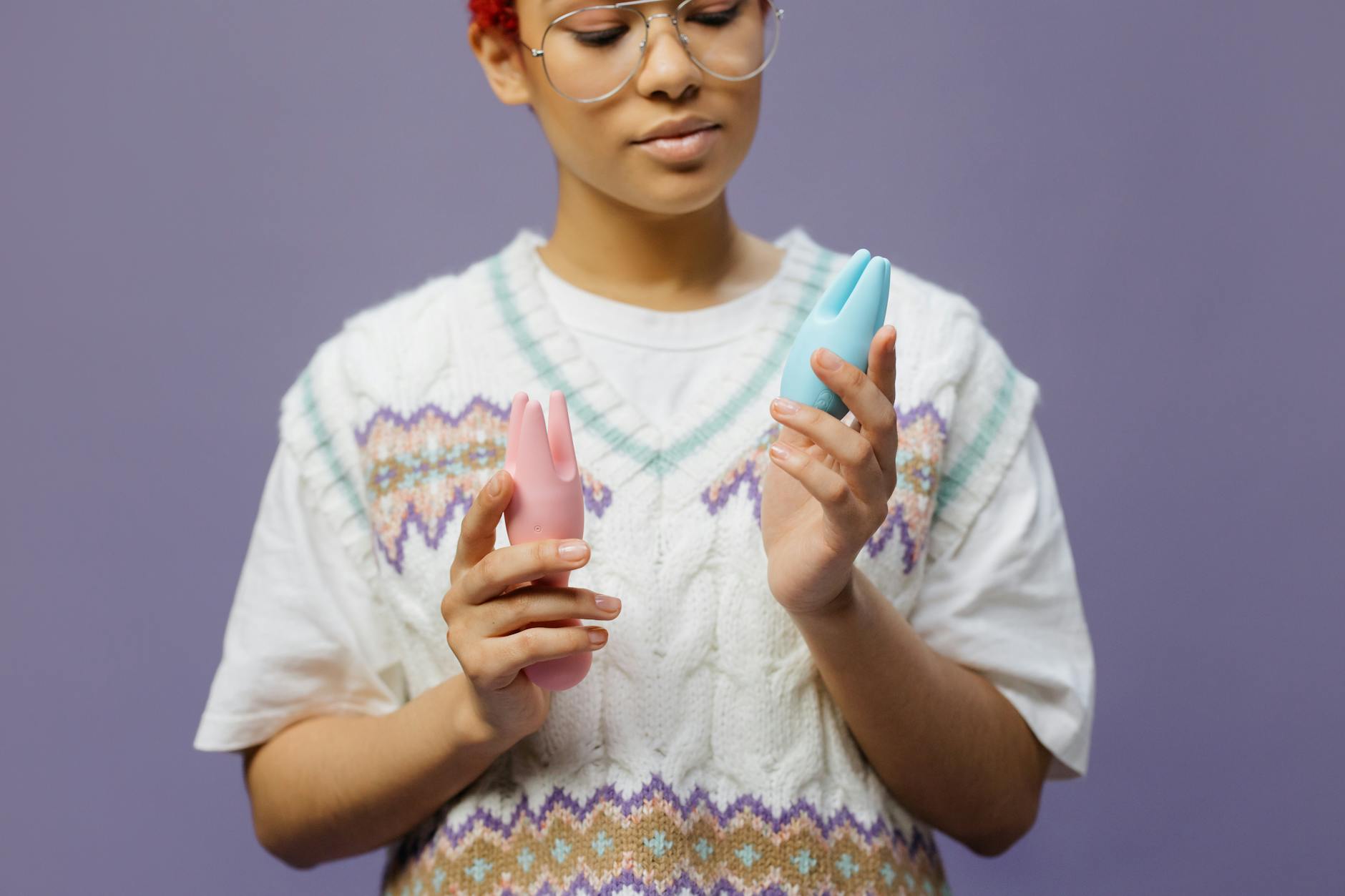
Photo by cottonbro studio on Pexels
The long game
Some medications' sexual side effects fade over time. SSRIs, for instance, sometimes settle down after 8-12 weeks. Your body adapts. The sensation might still be a little softer than before, but the acute "nothing feels like anything" phase often passes.
Other medications don't change. You might need to find your new normal and work within it permanently. That's okay too.
The key is not to panic, not to ditch your medication hoping that solves it, and not to assume you're broken. You're responsive to chemistry. That's actually information. And once you know what's happening, you can work with a doctor, a partner, or just yourself to figure out what pleasure looks like under your current conditions.
Your lemon vibrator didn't break. Your nervous system is just managing something else right now. And that's temporary or manageable or both.
FAQ
Can I stop taking my SSRI to get my pleasure back?
Not a good idea. SSRIs treat depression, anxiety, PTSD, and other serious conditions. Stopping them to restore sexual function often leaves you worse off overall. The better move: talk to your prescriber about switching to a different SSRI (they have different sexual side-effect profiles), adjusting your dose, or adding a medication that counteracts the effect. Bupropion, for instance, doesn't have the same sexual side effects as other antidepressants.
How long does it take for medication side effects to settle?
It varies. Some medications affect you immediately. Others take 2-3 weeks to show an effect, and your body might adapt to that effect over another 4-8 weeks. SSRIs are notorious for persistent sexual side effects that don't always resolve. Birth control pills can take 3 months for your body to adjust to the hormonal change. Blood pressure meds are usually stable once you find the right dose. If you're 8-12 weeks in and nothing's improved, that's when you loop back to your doctor.
Does everyone on antidepressants have sexual side effects?
No. Some people feel no change. Some notice a subtle shift. Some experience a significant one. It depends on the specific medication, the dose, your genetics, and your baseline. Paroxetine is notorious for sexual side effects. Bupropion is known for having fewer. But individual variation is huge. You might sail through while your friend struggles, or vice versa.
Can lubricant help if my medication is affecting sensation?
Yes, but not in the way you might think. Lube doesn't restore sensation that medication has muted. What it does is create an optimal seal for your lemon vibrator's suction, which can make the sensation feel sharper and more defined even if your baseline sensitivity is lower. It also reduces friction, which means you can spend longer using your vibrator without irritation, giving your arousal more time to build.
Is there a medication that doesn't affect sexual response?
Some medications have fewer documented sexual side effects. Certain antibiotics, some pain relievers, and some antihistamines are less likely to interfere. But medication choice is about treating your actual condition, not optimizing for pleasure. If you're dealing with a serious condition, the medication that works best medically is worth the adjustment period sexually. Talk to your doctor about the options available to you.
Can I use my lemon vibrator while on medication, or will it make things worse?
Using your vibrator is fine. It actually helps. Pleasure and arousal are like a muscle. The more you engage with them, the better your nervous system becomes at processing those signals, even under medication. Using your Lem regularly (even if it feels softer) can actually speed up the adaptation process. Just be patient with yourself and adjust your expectations temporarily.
The bottom line
Medication and pleasure aren't enemies. They're just conditions you're managing simultaneously. Your body's response might feel slower, softer, or different right now. That's information, not a diagnosis. You can adjust your warm-up time, your vibrator intensity, your lubrication strategy, and your timeline. You can talk to your doctor about alternatives. And you can give yourself permission to explore what pleasure looks like under new conditions instead of assuming it's gone forever.
If you want more help navigating how your body responds to different approaches, read more about how to use a lemon clitoral vibrator if you've only ever used traditional vibrators for a deeper dive into sensation differences. You might also find does lemon vibrator suction feel different when you're anxious helpful, since anxiety and medication effects often interact.
Your pleasure matters. Your mental health matters. Both can coexist, even if they require a little negotiation right now.