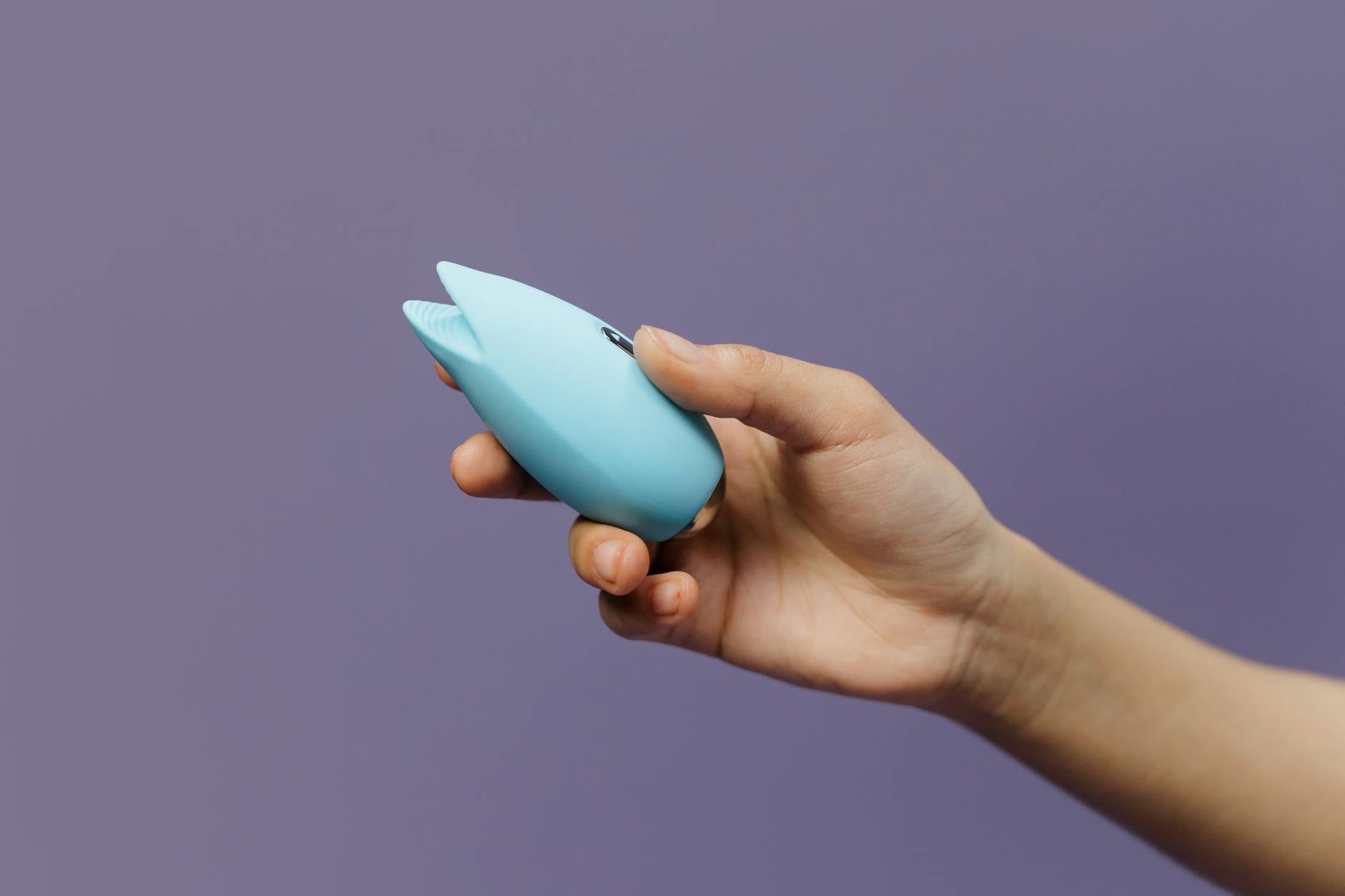
Why Lemon Vibrators Work Differently for People With Endometriosis
Let's be honest: endometriosis changes everything about how your body responds to touch, arousal, and pleasure. And if you've been using clitoral vibrators or exploring them for the first time, you're probably wondering whether a lemon vibrator or other suction toy will feel different, whether it's safe, and whether it's actually worth trying.
The short answer is yes. But not for the reason you might think.
What endometriosis actually does to arousal
Endometriosis isn't just about painful periods. It's tissue growing where it shouldn't, which triggers inflammation, adhesions (scar tissue), and nerve sensitization throughout your pelvic region. Your brain learns to protect that area. Over time, the nervous system becomes hypervigilant. Touch that would feel pleasurable to someone without endometriosis can register as threat instead.
But here's the thing: that hypervigilance doesn't mean pleasure is off the table. It means your nervous system needs a different signal to feel safe.
Vibration travels through tissue and can activate nerves all the way up the pelvic chain. For people with endometriosis, this can sometimes feel overwhelming or trigger pain pathways you'd rather not activate. Suction, by contrast, creates localized pressure without the same vibratory shock. It's why so many of my clients with endometriosis report that clitoral suction tools like the Lemon vibrator feel more controllable and less likely to amplify pelvic pain.
This isn't magic. It's neurology.
The suction versus vibration distinction matters here
A traditional vibrator sends oscillations through tissue. That's wonderful for lots of bodies. For endometriosis, though, vibration can sometimes create a cascade of sensation that travels up to inflamed areas you'd rather leave alone.
Lemon vibrators use air-suction technology. They create a gentle seal and rhythmic pressure against the clitoris without the penetrating vibration. This keeps stimulation focused and contained. Your nervous system gets a clear, local signal instead of a full-body alert.
Many people with endometriosis find they can reach orgasm with suction tools when they couldn't with traditional vibrators. Some report that the sensation actually feels grounding rather than activating. That distinction changes everything about whether you'll actually use the tool or keep it in a drawer.
Pain patterns and arousal timing
One thing I always tell my clients: your pain cycle and your arousal cycle are not the same thing. You can have low pain days and low arousal days simultaneously. The stress of managing endometriosis often flattens desire entirely, separate from the physical pain itself.
If you're planning to use a lemon clitoral vibrator, timing matters. Many people with endometriosis find that the days right after their period ends feel best. Inflammation is lower. The nervous system is less reactive. That's a useful window to explore.
You might also find that arousal takes longer to build. Budget 20 to 30 minutes instead of 10. Your body isn't broken. Inflammation and nervous system hypervigilance both slow the arousal cascade. That's biomechanical, not psychological.
Intensity and control with lemon vibrators
Most lemon adult toys come with multiple suction intensity levels. That's not a nice-to-have for you. That's essential.
Start at the lowest setting. Seriously. I've worked with countless people who grabbed for a mid-range intensity out of impatience and then spent 20 minutes backing away from the sensation instead of into it. Lower intensity lets your nervous system confirm that this is safe before ramping up.
One advantage of clitoral suction over traditional vibration: you have more control. You can angle the toy to stimulate just the clitoral head or the whole vulva. You can lift off and return to baseline easily. That agency over the sensation actually helps your nervous system feel safer.
Lubrication, comfort, and what to expect
Without lube, suction can feel sticky or uncomfortable, especially if endometriosis has already compromised tissue elasticity or lubrication. Always use water-based lubricant. It's not because something is wrong with your body. It's because the seal of the toy works better with it, and the sensation becomes smoother and more sustainable.
During the first session, expect to feel less sensation than you might with a traditional vibrator. That's not a sign the toy isn't working. Suction operates through pressure and gentle rhythmic release. It's a different language than vibration. Many people report that the first orgasm with suction takes longer, but the sensation is more localized and less likely to trigger pelvic pain afterward.
Some people with endometriosis also notice that suction orgasms feel different: maybe more centered in the clitoris rather than radiating through the whole pelvic floor. That's not bad. It's actually protective for your pelvic floor, which often needs to relax rather than contract.
When to pause and when to push through
This is the hard part: distinguishing between discomfort that's just unfamiliar versus pain that signals you should stop.
Unfamiliar sensations can include: mild pressure, a sucking feeling that's new, subtle vibration under the suction, gradual increased sensitivity. Those are all normal.
Pain signals to stop include: sharp sensation, radiating pain up into your abdomen, cramping that intensifies, or any sensation that matches your typical endometriosis pain. Stop immediately if that happens. Your pelvic nervous system is telling you this isn't the right tool or moment.
One session of lemon clitoral vibrator use should not cause a pain flare the next day. If it does, either the intensity was too high, the session was too long, or suction isn't the right technology for your body right now. That's useful information.
Partnered pleasure and communication
If you're using a lemon vibrator with a partner, the stakes of clear communication go up. Your partner needs to know that arousal might look different. You might need breaks. Intensity might need to stay low. Orgasm might take longer or feel different.
The good news: most partners are relieved to have a clear framework. Instead of guessing whether you're in pain or just quiet, you've given them specific information. That transforms the dynamic from anxious to collaborative.
You might also find that your partner using the toy on you feels different than you using it solo. Some people with endometriosis prefer solo exploration first because they can pause whenever they need to.
Long-term use and pelvic floor considerations
Endometriosis often comes with pelvic floor dysfunction: tension, weakness, or both simultaneously. A lemon vibrator won't fix that, but it can coexist with pelvic floor physical therapy.
In fact, for some people, gentle clitoral suction becomes a way to practice relaxation. The sensation is less aggressive than traditional vibration, which can sometimes make the pelvic floor tense more. If you're also doing pelvic floor therapy, mention to your therapist that you're using a clitoral vibrator. They might have timing suggestions or insights about what you're noticing.
Regular use of suction toys at lower intensities doesn't contribute to nerve damage or desensitization the way some worry. The stimulation is localized and relatively gentle. You're not wearing out your nervous system.
The permission piece
Here's what I see most often: people with chronic pelvic pain feel like they've lost the right to pleasure. The body has become a source of pain and management rather than sensation. Using a clitoral vibrator, especially one that works with rather than against your nervous system, is an act of reclamation.
A lemon vibrator isn't a cure. Endometriosis is still endometriosis. But pleasure doesn't have to be off the table while you're managing it. For many people, gentle clitoral suction becomes a way to remember that their body is still capable of feeling good.
That matters.
People Also Ask
Can I use a lemon vibrator during my period if I have endometriosis?
Yes, if the pain is low. Many people find that the distraction and pleasure actually reduce cramping perception temporarily. But honor your body. If period pain is severe, adding stimulation might amplify it rather than distract from it. Low-pain days are better windows.
Will a lemon clitoral vibrator make endometriosis pain worse?
Not if you use it at low intensity and listen to your body. The key difference between suction and vibration is that suction creates localized pressure, which many people with endometriosis tolerate better than the spreading vibration of a traditional vibrator. That said, if it causes pain during or a flare the next day, it's not the right tool or moment for you.
How is suction different from vibration for endometriosis pain sensitivity?
Vibration travels through tissue and can activate pelvic nerves that are already sensitized by inflammation. Suction creates focused rhythmic pressure in one area without the same penetrating sensation. For people with pelvic pain conditions, this often feels more manageable and less likely to trigger pain pathways. It's why many people with endometriosis report greater pleasure and fewer pain responses with clitoral suction toys.
Should I use lubricant with a lemon vibrator if I have endometriosis?
Always. Water-based lube isn't optional here. It smooths the sensation, improves the seal of the suction, and reduces friction that could irritate already sensitive tissue. Endometriosis often affects lubrication production, so external lube is doubly important.
Can lemon vibrators help with arousal issues caused by endometriosis?
They can help some people. Endometriosis impacts arousal through pain, inflammation, and nervous system hypervigilance. A suction toy that feels less threatening to your nervous system might actually help you relax into arousal. But arousal issues can also be emotional and relational. If pleasure has disappeared entirely, that conversation might benefit from a therapist or counselor alongside any toy.
Is it normal for orgasms to feel different with a lemon clitoral vibrator when I have endometriosis?
Completely. Suction creates a different nerve activation pattern than vibration. You might experience: longer build time, more localized sensation, different intensity at the peak, or easier relaxation afterward. None of these are wrong. They're just different signals your body is receiving. Give yourself 3 to 5 sessions before deciding whether it works for you.
The takeaway
If you have endometriosis and you're curious about clitoral vibrators, a lemon vibrator or other suction-based toy might actually serve your body better than traditional vibration. The technology isn't magic. It's just different in a way that sometimes aligns better with how pain and pleasure intersect in an endometriosis-affected body.
Start low. Use lubricant. Listen closely to what your body tells you. And remember: your pleasure matters, even while you're managing chronic pain. If you want personalized guidance about pleasure, pelvic health, or navigating intimacy with endometriosis, reach out. We can explore what actually works for your body.