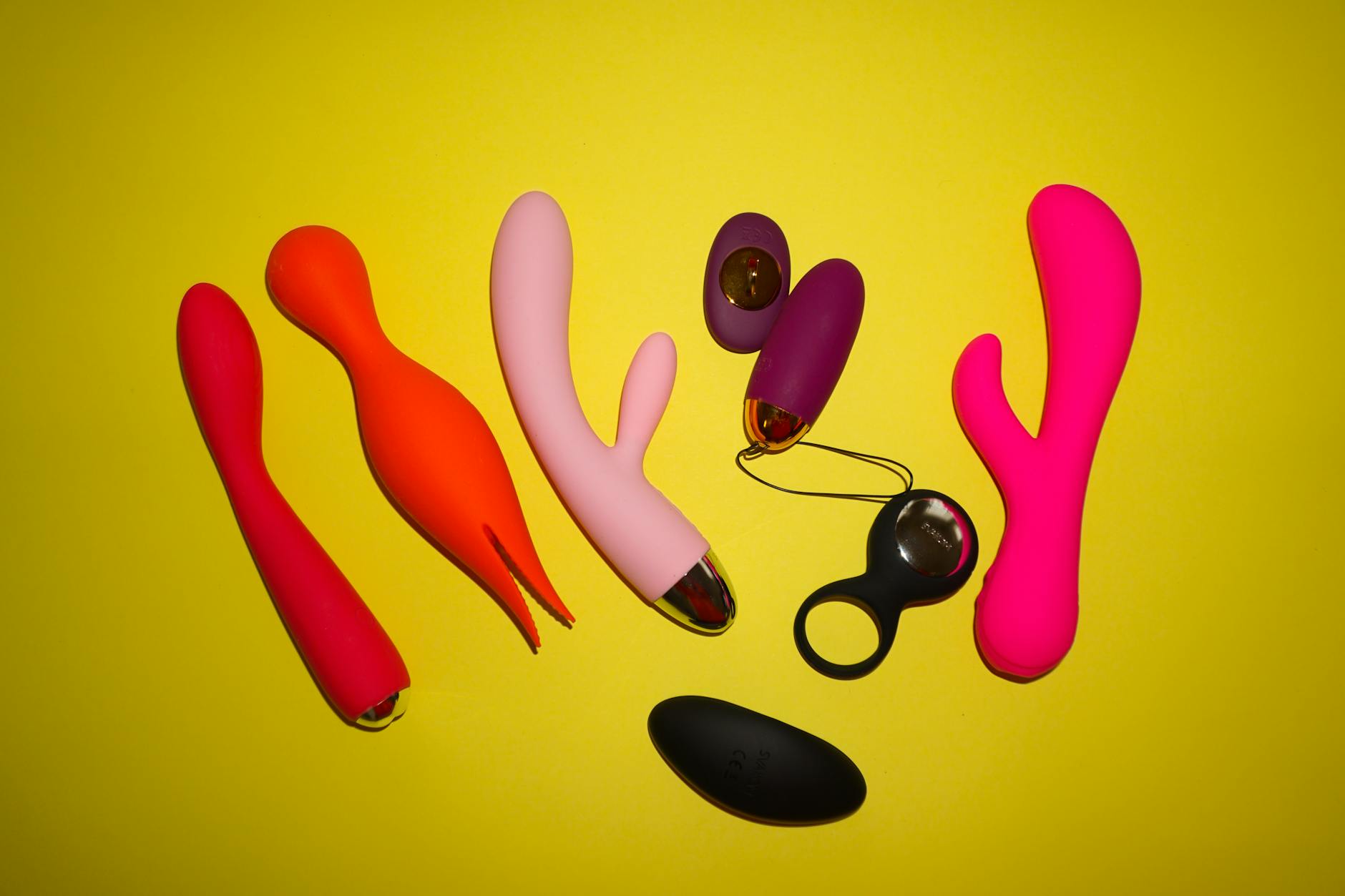
Let's talk about what happens after infidelity breaks trust
Infidelity shatters more than trust. It rewires the nervous system. Your body stops feeling safe. Pleasure becomes a minefield because it's now tangled up with memory, hypervigilance, and the weight of what happened. The betrayed partner flinches at touch. The one who strayed carries shame into every intimate moment. Neither of you can just pick up where you left off.
But here's what I've observed in my practice: couples who reconnect sexually after infidelity often do better with tools that feel genuinely new. Not "we're trying again with the same approach." Something that signals a reset. Something that removes the performance anxiety baked into what you used to do together.
That's where lemon vibrators enter the picture. And not in a gimmicky way.
Why traditional intimacy advice fails after infidelity
Every couples' therapist worth their license will tell you: trust is rebuilt through consistency, accountability, and vulnerability. All true. But nobody talks about what happens in the body during this process.
The nervous systems of both partners are dysregulated. The betrayed person's amygdala is primed for threat detection. Touch that used to feel safe now carries memory. The unfaithful partner is often so flooded with guilt that arousal itself feels like a crime. Sex becomes a performance of apology or a test of whether the relationship can survive. Neither state invites genuine pleasure.
Most recovery advice skips the body entirely. "Communicate more." "Rebuild trust through honesty." Critical, yes. But it leaves couples wondering how to move from intellectual forgiveness to physical reconnection without triggering the trauma response that lives in their nervous system.
How lemon vibrators reset sensation without retraumatizing
Here's the technical part. Lemon vibrators use suction rather than vibration alone. This matters psychologically in ways that researchers haven't fully mapped yet, but clinically? It's significant.
When you use a tool that feels completely different from anything in your shared history, it creates what I call a "sensation reset." Your brain categorizes it as new information, not a repetition of old patterns. There's no muscle memory attached. No "this is what we used to do." Instead, you're both discovering something for the first time together.
The suction mechanism also changes the power dynamic in a subtle but real way. It's less about friction and more about a gentle pull. Many couples report that this feels less performance-oriented and more collaborative. The clitoral vibrator does the work. Both partners can simply be present.
Beyond the mechanics, there's the psychological reset. Lemon vibrators look nothing like a traditional toy. They look like a design object. When a tool doesn't scream "sex toy," it bypasses some of the shame that often surrounds them. And in infidelity recovery, shame is the silent saboteur.
The specific challenges couples face when reintroducing pleasure
After infidelity, three specific blocks show up consistently.
First: arousal feels like a betrayal. The betrayed partner feels guilty for wanting pleasure again because pleasure gets mixed up with forgiveness, and they're not sure they want to forgive. Arousal becomes a source of internal conflict. "If I'm enjoying this, does that mean I'm letting him off the hook?" The body shuts down. This block is especially strong in the first 6-18 months.
Second: shame prevents vulnerability. The unfaithful partner carries profound shame into intimacy. Even if they're being given permission to reconnect, their nervous system doesn't believe it. Every arousal cue triggers an internal alarm: "You don't deserve this." Performance anxiety follows. Erection issues, difficulty with orgasm, or a persistent sense of being an imposter in their own pleasure.
Third: you can't separate the old experience from the new one. Every touch carries the weight of what happened elsewhere. Your bedroom smells the same. Your bodies respond with ingrained patterns. Without some kind of reset, you're constantly comparing the present moment to the trauma.
Lemon vibrators address all three by virtue of being genuinely new.
Why couples report deeper reconnection with lemon clitoral vibrators
I've worked with dozens of couples post-infidelity, and the ones who introduced a tool like a lemon clitoral vibrator reported something unexpected: less pressure, more playfulness, and faster nervous system regulation.
Here's why. When a clitoral vibrator is in the picture, it removes the pressure on the partner to "perform" in the traditional sense. The betrayed partner isn't waiting to see if arousal will return. The unfaithful partner isn't performing penance through technique. Instead, both can focus on presence and sensation.
The suction mechanism of lemon vibrators also tends to feel less intense than traditional vibration, which matters. High-intensity sensation can re-trigger nervous system dysregulation in trauma recovery. A gentler approach allows the body to slowly, safely, relearn that pleasure and safety can coexist.
Many couples also report that using a lemon vibrator together shifts the emotional tone. It's collaborative. It's something you're both trying for the first time. That novelty interrupts the old narrative: "This is what we do." Instead it becomes: "This is what we're discovering together."
The timeline of when to introduce toys in infidelity recovery
Don't rush this. I don't recommend introducing any sex toy until you've had consistent, honest conversations about the infidelity itself, and ideally until you've worked with a therapist for at least three months. Your nervous system needs time to stabilize.
Then, introduce the tool as something collaborative, not as a fix. Not: "Let's try this to fix our sex life." Instead: "I found something that's new for both of us. Want to explore it together?" The framing matters enormously.
Most couples find that lemon vibrators work best when introduced around months four to eight of recovery. By then, the acute crisis has passed. You're not in the raw phase anymore. But you're also still rebuilding. This is when a reset tool is most helpful.
How to actually have the conversation
Let's be practical. Here's the opener that usually works:
"I've been reading about ways couples rebuild intimacy after what happened. One thing that came up is using something that's completely new to both of us. Not to fix anything, but to give ourselves a chance to experience pleasure together without all the old stuff attached. Would you be open to that?"
Notice what's happening there. You're naming the real problem (old stuff interferes). You're proposing a specific solution (something new). You're inviting collaboration (would you be open). You're managing expectations (not a fix).
If your partner says yes, show them the tool. Let them hold it. Answer their questions without romance-language or sales pitch. "This one uses suction instead of vibration. It's smaller than a wand. It's waterproof." Keep it matter-of-fact.
The first time you use it, plan for it to be awkward. That's normal and fine. You're both learning. The second or third time? Usually something shifts. The awkwardness becomes curiosity. Curiosity becomes connection.
What you might feel (and that's okay)
When you first use a lemon vibrator together post-infidelity, expect a mix of emotions.
The betrayed partner might feel: relief (something new, nothing triggering), curiosity (how will this feel), or even guilt (am I allowed to enjoy this). All valid. Some people cry during or after. That's actually a sign the nervous system is processing and releasing.
The unfaithful partner might feel: gratitude (we're trying), nervousness (performing again), or shame that returns unexpectedly. Don't push through the shame. If it's overwhelming, pause. This isn't a test.
Neither of you should perform or pretend. The whole point of a fresh tool is that you get to show up as you actually are, not as the characters you played before.
The bigger picture: sex as a trust-rebuilding tool
Here's what infidelity recovery literature doesn't often say plainly. Sex can actually accelerate trust rebuilding if approached correctly. Not because it's romantic. Because it requires vulnerability and presence that you can't fake.
When you use a lemon vibrator together, you're not recreating old intimacy. You're building something new. The nervous system notices. Over time, that repeated experience of pleasure without threat literally rewires the trauma response. You start to associate your body with safety again.
This takes months, not weeks. But couples who stick with it consistently report that sexual reconnection becomes a genuine point of healing, not just something they're forcing themselves to do.
When to bring in additional support
If you're more than a year out from infidelity discovery and sex still feels impossible, or if introducing any toy together triggers a crisis, you need a sex therapist, not a blog post. Find someone trained in both infidelity recovery and sexual health. It matters.
Similarly, if one partner isn't actually committed to rebuilding the relationship, no tool will help. That's a relationship question, not a sex question. Be honest about that first.
FAQ
Can we use lemon vibrators if we haven't decided whether to stay together yet?
Yes, but with a caveat. Don't use it as a test of whether the relationship is worth saving. Use it only if you're both genuinely wanting to reconnect and explore. If one person is doing it out of obligation or as a last-ditch effort, it usually backfires. The body knows when consent isn't real.
What if one partner feels uncomfortable with toys altogether?
That's a real conversation. Don't push. But also ask: is it discomfort with toys specifically, or is it discomfort with stepping into something new post-betrayal? Those are different. A partner who's hesitant about toys but willing to talk might surprise you once they understand the psychological reasoning. Others genuinely don't want toys. That's valid too. In that case, you're rebuilding through different tools. Touch, conversation, time.
How long should it take before we feel "normal" again sexually?
There's no timeline. For some couples, 6-12 months feels right. Others take 2-3 years. Don't measure yourself against anyone else's timeline. You're not trying to get back to normal. You're trying to build something that accounts for what happened and integrates it into your history. That's different from normal. It's often richer.
Is using a lemon vibrator cheating or a form of infidelity itself?
No. It's a shared experience and a tool for reconnection. If a partner is interpreting it that way, that's a sign there's more work to do in the conversation phase before you introduce any toys. The concern usually isn't really about the toy. It's about control, or fear, or uncertainty about the relationship. Address that first.
Can we use lemon vibrators if we've already tried other toys without success?
Definitely. Many couples who struggled with traditional vibrators find the suction mechanism of a lemon vibrator less triggering and more accessible. The novelty also helps. What failed six months ago might work now because you and your nervous system have changed.
What if we get aroused but then one of us freezes up?
Stop. Check in. Ask what came up. Sometimes it's a memory, sometimes it's just the nervous system saying "slow down." You're not failing. You're gathering information. Every time you pause and reconnect instead of pushing through, you're actually rebuilding trust. That's the real work. The arousal will follow eventually.
The bottom line
Infidelity doesn't end sexuality. It damages trust and wires fear into your nervous system. Rebuilding means finding ways to experience pleasure together that don't carry the weight of what happened. A lemon vibrator is a tool for that reset. It's not a miracle. It's a way to say: "We're starting fresh. Together. With something new." And sometimes, that permission is exactly what both bodies need to finally relax and reconnect.