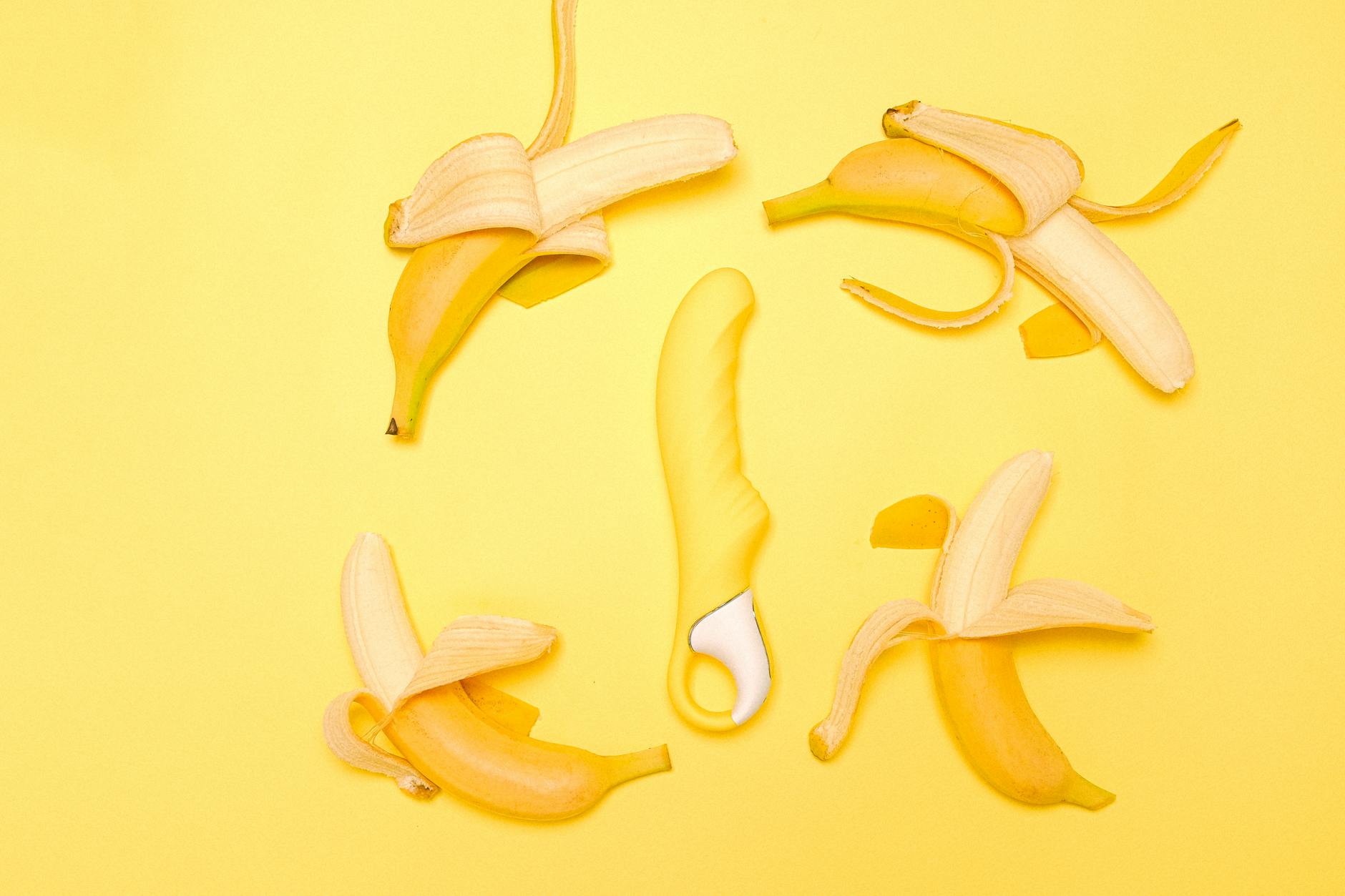
Let's start here: divorce changes your relationship with pleasure
Not because your body broke. Because your mind did. After years of sex filtered through someone else's rhythm, someone else's pleasure timeline, someone else's idea of what you should want, your nervous system needs permission to remember that solo pleasure is not selfish. It's recalibration.
And that's where lemon vibrators come in. Not because they're magic. Because they're simple, they're yours, and they don't negotiate.
Why pleasure after divorce feels like starting from zero
Divorce doesn't just end a relationship. It interrupts years of synchronized sexual patterns. Your body learned to respond on someone else's schedule. It learned to prioritize their arousal, their finish, their comfort. Even if the sex was good, even if it was mutual, you spent years as part of a system where your pleasure was one variable among many.
Post-divorce, that system vanishes. And suddenly you're alone with your own body, which feels like a stranger.
Here's the thing therapists don't always say out loud: that estrangement is temporary. It's not a permanent change in your capacity for pleasure. It's a temporary loss of context. You need to rebuild the dialogue between your mind and body without the interruptions, the accommodations, the constant micro-negotiations that happened during the marriage.
That's harder than it sounds, and it's completely normal to feel disconnected from desire at first.
The confidence gap that divorce creates
When you've been in a long-term relationship, your sexual identity gets tangled up with your partner's. You know what turns them on. You know how they like to be touched. You've built a sexual script together over years or decades. That script becomes your reference point for "what I like" even when it was really "what we did."
Post-divorce, you lose that external framework. And for a while, you might feel like you don't know what you like at all. Not because your desires changed, but because the mirror that reflected them is gone.
Confidence after divorce isn't about finding someone new fast. It's about remembering that your pleasure existed before this relationship and it exists after it. That your body's responses are yours alone to discover, without anyone else's expectations layered on top.
Lemon clitoral vibrators help with this specific work because they give you a tool that's purely for you. Not compromise, not shared. Solo, controllable, predictable. You set the pace, the intensity, the pattern. You're not accommodating anyone else's rhythm or timing.
How starting solo changes everything
Therapists who specialize in post-divorce recovery talk about "somatic remembering." Your body needs to remember that pleasure is available to you on your own terms. Not as a performance for someone. Not as a duty. Not as negotiation. Just as sensation that's yours.
When you use a lemon vibrator solo, you're doing several things at once without thinking about it:
You're practicing consent with yourself. Every time you pause, speed up, or change the pattern, you're making a choice based purely on what feels good. After years of sexual decision-making filtered through partnership, this is radical.
You're remapping your nervous system. The shame or disconnection you might feel isn't hardwired. It's learned. Solo pleasure, repeated without judgment, rewires the neural pathways back to baseline. Your body gradually stops expecting someone else to be involved.
You're building sexual autonomy. Not in theory. In practice. Your body learns that pleasure doesn't require another person's presence, validation, or arousal. That independence is itself a kind of freedom.
That's the real work post-divorce pleasure recovery is doing. And it happens fastest when you have a tool that makes the experience predictable enough to focus on sensation rather than logistics.
The lemon vibrator advantage for this specific moment
There are a lot of vibrators. Most of them are fine. But lemon vibrators have a particular fit for post-divorce solo work, which is where most people need to start.
They're simple. No Bluetooth, no connectivity, no apps, no partner integration. Just a tool that works when you touch the button. That simplicity is not a limitation. It's a feature. You're not managing technology or feeling like you're using something that was designed for couples or partner play. You're using something straightforward and purely for sensation.
They're reliable. The sensation doesn't vary wildly. You know roughly what you're getting. After divorce, when your body feels uncertain, having a predictable sensation to explore with takes away one layer of anxiety. You're focusing on what you feel, not on whether the tool is behaving as expected.
They're compact and discrete. If you live with kids, a partner, roommates, or just share walls with neighbors, privacy matters. Lemon clitoral vibrators are small enough to keep entirely private. That control over your privacy is its own kind of permission. No one else knows what you're doing. You don't have to manage anyone else's reaction or judgment, even if that judgment is only imagined.
They prioritize clitoral stimulation. Post-divorce, many people find that their return to pleasure starts with clitoral sensation before anything more complex. That's normal. Your nervous system is recalibrating. Starting with direct, predictable stimulation to the most sensitive area gives you a clear feedback loop. You're not guessing. You're not performing. You're just paying attention to what's there.
What to expect in those first solo explorations
You might not feel much the first time. That's not a warning sign. That's actually common when your nervous system has been in a long-term relationship pattern. Sensation takes a few sessions to wake up fully.
You might feel disconnected. Like you're observing yourself rather than inhabiting the experience. That's dissociation, and it's a trauma response. It fades with repetition and safety. Solo pleasure, done consistently without pressure to achieve anything, is exactly the medicine for this.
You might feel waves of emotion. Grief, anger, sometimes unexpected joy. All of these are normal. You're reclaiming something that was interrupted or complicated. That carries weight.
The goal is not the orgasm, at least not at first. The goal is reconnection. Signal back to your nervous system: this is safe, this is yours, sensation is available to you. After a few weeks of regular solo exploration with something as straightforward as a lemon clitoral vibrator, that signal starts to land.
How this foundation helps with future partners
The people I work with who rebuild sexual confidence fastest after divorce aren't the ones who jump into new relationships immediately. They're the ones who spend 4-6 weeks in solo recalibration first.
Here's why: when you know your own pleasure independent of a partner, you can show up in a future relationship from a place of knowing what you want rather than discovering it with another person. That changes everything about how you negotiate, communicate, and experience shared sex.
You're not asking a new partner to fix what your last one broke. You're bringing intact knowledge of your own body, your own responses, your own desires. That makes you a better partner and a clearer communicator about what matters to you.
It also protects you from a very common post-divorce trap: jumping into sexual patterns that mirror the old relationship because they're familiar. When you've already experienced your own pleasure independent of another person, you're harder to pull into old patterns.
Practical starting point
Budget 20 minutes when you know you won't be interrupted. Not because you need that long necessarily, but because starting with time pressure is self-sabotage. Turn off your phone. Shower first if that helps you feel more connected to your body. Have water nearby.
Start with a lower intensity setting. Your nervous system is still recalibrating, and there's no prize for intensity right now. Pattern 1 or 2 on the lemon clitoral vibrator is exactly enough.
Don't set a goal of orgasm. Seriously. That's pressure. Just notice sensation. Notice what feels better when you adjust. This is exploration, not achievement.
Repeat 2-3 times a week minimum. Once a week isn't enough signal for your nervous system to fully trust the pattern. Three times a week or more is where recalibration actually starts to stick.
If you hit a wall of disconnection or shame, that's worth talking through with a therapist. Divorce carries trauma, and some people need professional support alongside self-pleasure work. That's not a failure. That's knowing yourself.
One more thing about this moment
Divorce is real loss. Your body, your nervous system, and your sense of sexual identity all need to process that. Solo pleasure isn't about "getting over it" fast. It's about showing your body that pleasure is still available to you, that your capacity for feeling hasn't been damaged, that you're still whole.
A lemon vibrator is just a tool. But it's a tool that says: I'm worth this. My pleasure matters. I don't need permission or a partner or a reason beyond wanting to feel good. That message, repeated consistently over a few weeks, rewires something deeper than sensation.
Frequently Asked Questions
How long does it take to feel reconnected to pleasure after divorce?
Every timeline is different, but most people notice significant shifts within 3-4 weeks of consistent solo exploration. Some feel it in days. Others need 2-3 months. The timeline depends on how long you were married, how the relationship ended, and whether you have trauma history. What matters is consistency, not speed. Show up regularly, and your body will gradually remember that pleasure is safe and available.
Is it weird to use a vibrator alone after being with the same person for years?
Not at all. It's actually deeply healthy. Your body needs to learn that pleasure doesn't require another person. That independence is not loneliness. It's freedom. After years of partnered sex, solo pleasure might feel unfamiliar at first, but that's because the context is new, not because anything is wrong with you.
What if I feel nothing the first few times?
That's normal. Your nervous system might be in shutdown mode, especially if the divorce involved conflict or trauma. Sensation sometimes takes a few sessions to fully register. Keep going without judgment. Your body will wake up. If you're still feeling completely numb after 4-5 weeks, check in with a therapist or a doctor. Sometimes medications or unprocessed trauma need support to move past that disconnection.
Should I tell my therapist I'm using a vibrator for pleasure recovery?
Yes, if you have one. A good therapist won't judge, and they can help you understand whether your experience is normal or whether you might benefit from additional support. If you don't have a therapist yet, this is actually a good time to find one. Post-divorce sexual recalibration often goes faster with professional support alongside solo exploration.
Can I use a lemon vibrator if I'm still in the middle of divorce proceedings?
Yes. In fact, many people find that reclaiming solo pleasure during divorce helps them feel more grounded and independent while they're processing the legal and emotional stuff. Your sexual autonomy is separate from the divorce process. You can rebuild that while everything else is messy. One small piece of your life that's entirely yours, entirely good, helps anchor you through the chaos.
What's the difference between a lemon clitoral vibrator and other types of vibrators for this work?
Lemon clitoral vibrators are designed specifically for external clitoral stimulation with consistent, predictable sensation. They're simpler than wand vibrators, more focused than internal vibrators, and easier to control than app-connected toys. For post-divorce recalibration, that focused simplicity is actually an advantage. You're not managing complicated features. You're just exploring sensation.
You're not starting from zero
Divorce interrupted your pleasure. It didn't erase your capacity for it. Your body remembers how to feel. It just needs consistent, judgment-free practice to trust sensation again without someone else involved.
That practice starts solo. And it starts with a tool that's simple, reliable, and entirely yours. The rest follows.
If you have questions about how to approach this work or need support beyond solo exploration, reach out to us. We're here to help.