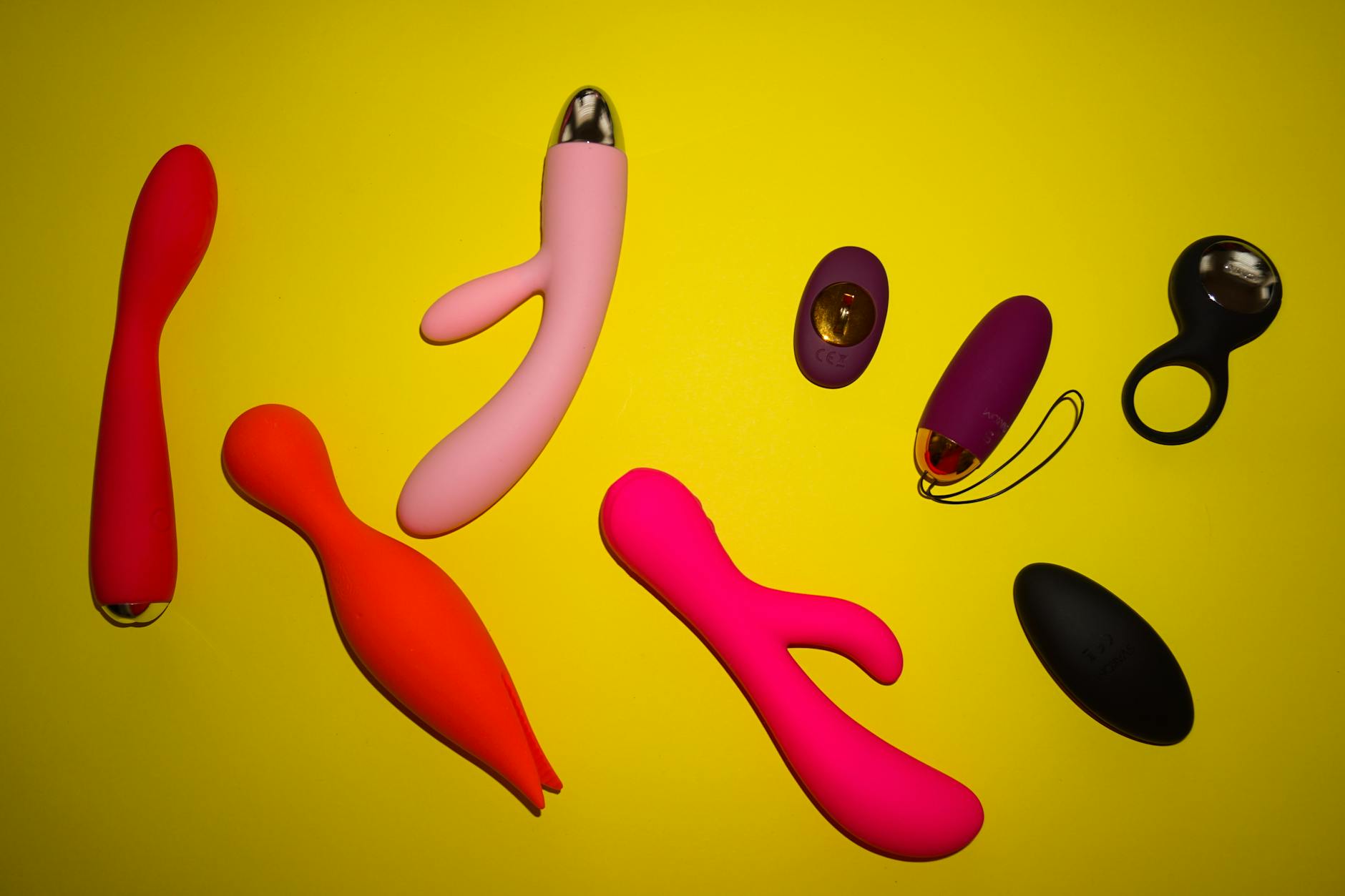
Here's the thing about trauma and touch
Sexual trauma rewires how your nervous system responds to sensation. It's not psychological weakness. It's biology. Your body learned to treat touch as a threat, and unlearning that doesn't happen because you intellectually understand it should. It happens slowly, in your nervous system, often in ways that feel confusing or contradictory.
If you're exploring pleasure again after trauma, lemon vibrators and other clitoral vibrators can be genuinely helpful tools. But they probably won't feel the way they would to someone without this history. That's not a failure. That's information.
What trauma does to sensation
When you experience sexual trauma, your brain essentially marks touch as dangerous. The amygdala (your threat-detection center) becomes hyperactive. Your vagus nerve, which regulates your calm-down response, becomes less responsive. Sensation that would normally feel pleasurable suddenly registers as threatening, even if the touch itself is gentle or chosen.
This is why survivors often report that things feel muted, or conversely, overwhelming. Some people lose sensation entirely for months or years. Others become hypersensitive, where even light touch triggers a startle response or dissociation. A lemon clitoral vibrator that feels wonderful to one person might feel intolerable to another in recovery, depending on where their nervous system is in the healing process.
The other piece: trauma often creates a disconnect between your mind and body. You might intellectually want to experience pleasure, but your body won't cooperate. This is called dissociation, and it's incredibly common during recovery. It's protective, but it's also lonely.
Why vibrators specifically can help (and why they're tricky)
Lemon vibrators, as air-suction devices, work differently than traditional vibrators. They create rhythmic suction rather than rapid vibration. For trauma survivors, this can actually be gentler on the nervous system for one simple reason: suction feels more like massage or pressure than like buzzing.
Pressure, sustained and rhythmic, activates the parasympathetic nervous system. That's your "rest and digest" mode. Buzz and intensity can sometimes activate the sympathetic system instead, which puts you back in fight-or-flight. That's why some survivors find lemon adult toys and similar suction devices more grounding during early recovery.
But vibrators are also tricky because they can feel like you're outsourcing pleasure, and trauma survivors often have complicated relationships with passive sensation. If you've been harmed, the idea of just letting something happen to your body might feel unsafe, even when intellectually you know the toy isn't a threat.
The nervous system needs time
Healing from sexual trauma isn't linear. Your capacity for pleasure will shift. Some days, a lemon vibrator will feel exactly right. Other days, the same tool will feel too intense, too intrusive, or will trigger a dissociative response. This isn't setback. This is how nervous systems actually work.
What helps is approaching pleasure with the same patience you'd give to any trauma recovery work. Start with settings or tools that feel genuinely safe. The lowest pattern on a lemon clitoral vibrator often works better than jumping to intensity. External stimulation only, at least initially. No penetration, unless that feels okay to you specifically.
Time matters too. Research on trauma recovery shows that it takes consistent, gentle exposure to safe sensation for your nervous system to slowly, slowly reclassify touch as non-threatening. A lemon vibrator used once won't shift anything. Used regularly, in a context where you feel completely safe, it can genuinely rewire your response over weeks or months.
What rebuilding permission looks like
One thing I see over and over with trauma survivors is that they intellectually understand they deserve pleasure, but they don't feel it. The understanding is there. The permission isn't. That gap is where a lot of people get stuck.
Here's what actually helps: small, chosen acts of pleasure that feel completely under your control. This is why lemon vibrators, with their simple on-off switch and clear intensity levels, work so well. You're in charge. You set the pace. You can stop instantly. That agency matters more than most people realize.
Start with five minutes. Just five. In a space where you feel safe, alone, with time to stop if you need to. No pressure to orgasm. No goal at all except to notice what sensation feels like. A lemon vibrator on the lowest setting, applied externally, can be a gentle way to reconnect with your body without overwhelming your nervous system.
Many people find that permission rebuilds in layers. First, it's okay to touch myself without judgment. Then, it's okay to use a toy. Then, it's okay to experience pleasure. Then, gradually, the nervous system catches up and touch starts to feel good instead of dangerous.
When to work with a therapist
If you're recovering from sexual trauma and considering pleasure as part of healing, working with a trauma-informed sex therapist is invaluable. They understand that sensation changes during recovery, that dissociation is real, and that pleasure isn't frivolous. It's part of reclaiming your body.
A good trauma-informed therapist will help you understand your specific nervous system response, will validate that sensation might feel confusing or contradictory, and will help you build a plan for pleasure that feels safe. Some therapists also work with specific tools like grounding techniques or breathing exercises that pair really well with gentle exploration using something like a lemon clitoral vibrator.
If you're noticing that sensation still triggers panic or flashbacks months into recovery, that's worth exploring with a professional. Trauma responses are treatable. EMDR, somatic therapy, and other approaches have solid evidence for helping survivors process trauma and rebuild nervous system regulation.
The role of communication (with yourself and others)
If you have a partner, communication about this is crucial. Your body's response to touch might be different now. That's not their fault and it's not yours. But naming it, rather than suffering in silence, changes everything.
You might say: "I'm rebuilding my relationship with pleasure. I might need to go slower than before, and some things might feel different. I'm going to explore this with a lemon vibrator, and I need you to know that's about my healing, not about you." That clarity prevents so much second-guessing and shame.
With yourself, the communication is equally important. If a lemon vibrator feels overwhelming, that's not weakness. If you need to stop, that's you listening to your body. If sensation feels muted for months, that's your nervous system protecting you. The goal isn't to force pleasure. It's to slowly, gently, tell your nervous system that touch can be safe again.
In my work with trauma survivors, I've noticed that the people who heal best are the ones who stop waiting for pleasure to feel "normal" again and instead meet themselves where they are right now. If a lemon vibrator on setting one for three minutes feels good today, that's the win. Tomorrow might be different.
FAQ
Why does touch feel numb or overwhelming after sexual trauma?
Your nervous system learned that touch can be dangerous. This creates one of two responses: shutdown (numbness, dissociation, low sensation) or hyperarousal (everything feels too intense, too intrusive). Both are protective. Both are normal. Over time, with consistent, chosen, safe touch, your nervous system gradually reclassifies sensation as non-threatening. This rewiring takes weeks or months, not days.
Can a lemon clitoral vibrator help with healing, or is it too much?
Lemon vibrators can be genuinely helpful for some survivors because suction feels less invasive than traditional vibration. But they're not healing on their own. What helps is using them in a context where you feel completely safe, with no pressure to orgasm, in a way that feels grounding rather than triggering. For some people, that means the lowest setting, external only, for just a few minutes. That's perfectly valid.
What if I want to use a lemon vibrator but feel guilty about pleasure?
Guilt is incredibly common for trauma survivors. There's often an internalized message that you don't deserve pleasure, or that seeking it is somehow wrong. That's the trauma talking, not the truth. You do deserve pleasure. Your nervous system deserves to learn that sensation can feel good. Using a lemon adult toy as part of your healing isn't indulgent. It's reclamation. If the guilt is persistent, it's worth exploring with a trauma-informed therapist.
How do I know if I'm ready to use vibrators during recovery?
You're ready when you want to, when you can do it alone in a safe space, and when you can stop whenever you need to. There's no timeline. Some people are ready a few months after trauma. Others take a year or more. That's not a reflection of your healing progress. It's just where your nervous system is. Trust your own instinct here. If something feels wrong, it probably is.
Should I tell my partner I'm using a lemon vibrator for trauma recovery?
That depends on your relationship and your comfort level. If you have a partner and you share physical intimacy, honesty is usually helpful. You don't have to share every detail, but naming that you're working on rebuilding your relationship with pleasure, and that you're using tools to help, prevents secrecy and shame. It also gives your partner context. If they understand this is about healing, not about them, it changes the conversation entirely.
What if a lemon vibrator triggers a trauma response?
Stop using it. Absolutely stop. Your nervous system is telling you something important. Pushing through isn't brave. It's retraumatizing. What helps instead is working with a therapist to understand what triggered the response, then potentially trying again much more gently, or choosing a different approach altogether. Some survivors benefit from non-genital pleasure first (massage, pressure on other parts of the body) before they're ready to explore genital sensation again.
Moving toward pleasure, at your own pace
Healing from sexual trauma isn't about forcing yourself to feel pleasure on a timeline. It's about slowly, gently, rebuilding trust with your body. A lemon vibrator can be one tool in that process. But the real tool is patience with yourself, professional support when you need it, and the understanding that sensation will change and shift as you heal. Your body isn't broken. Your nervous system is doing exactly what it was designed to do. Healing happens when you work with that system, not against it. If you want to talk through your specific situation or find a trauma-informed therapist, we're here to help. You can reach out at /contact anytime.