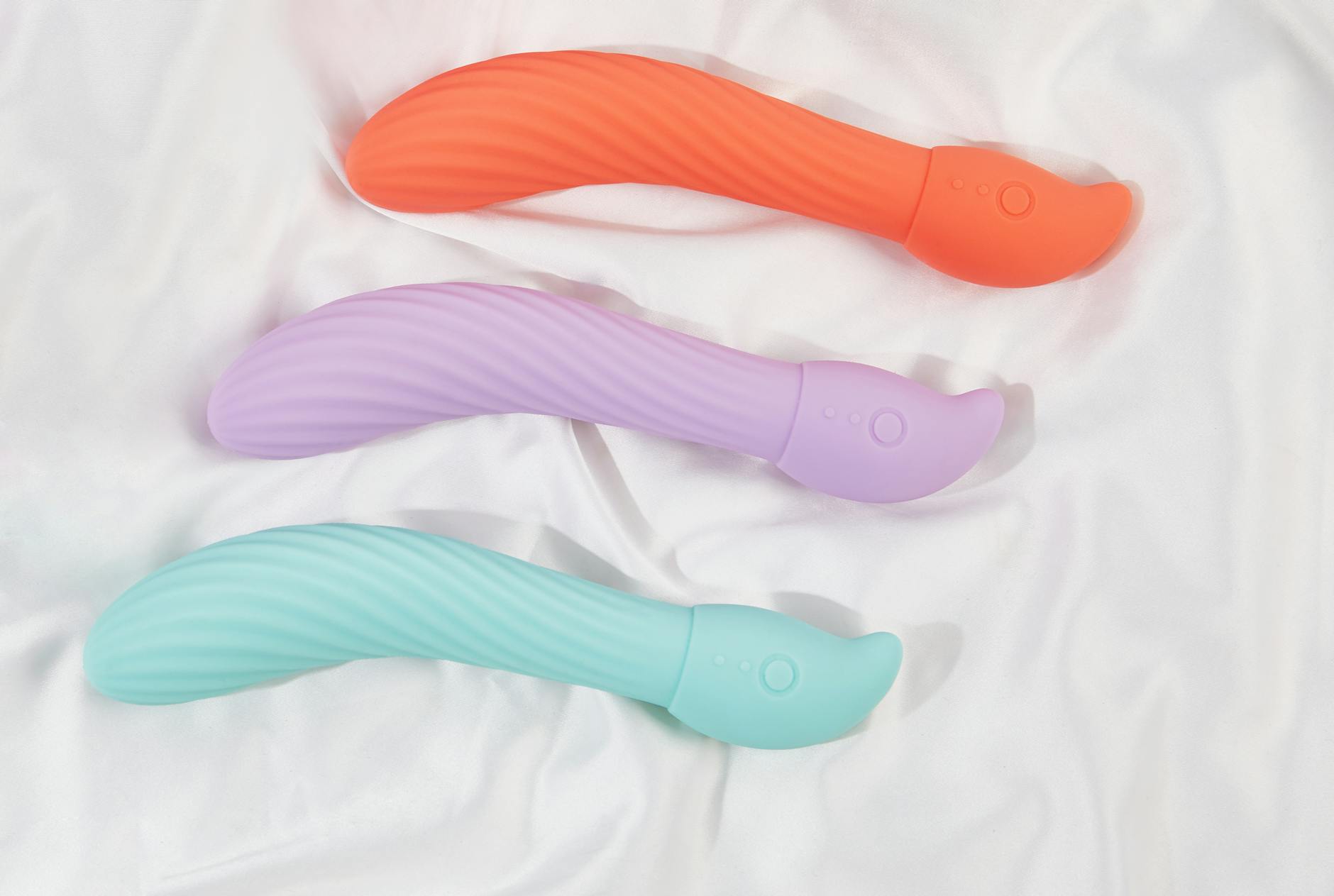
Let's talk about bodies that have been through something
Surgery, sexual trauma, medical procedures, childbirth complications, or grief stored in the body all rewire how pleasure works. Your nervous system doesn't just forget. It learns to protect. And when you're trying to feel good again after your body has been through a crisis, a standard vibrator can feel like the wrong tool entirely.
Lemon vibrators, specifically clitoral suction toys like the Lem, work differently than traditional vibration. But that difference matters even more when your body is healing. Here's what changes, what stays the same, and how to use these tools safely when pleasure has become complicated.
How trauma and surgery change physical response
When your body has been injured, invaded, or violated, the nervous system goes into protective mode. The pelvic floor tenses. Sensation becomes either numb or hypersensitive. Touch that once felt good now triggers a freeze response. This isn't psychological weakness. It's your nervous system doing exactly what it's supposed to do.
After gynecological surgery, vulvovaginal surgery, or trauma, tissue can be scar tissue. Nerve pathways reorganize. Inflammation reduces slowly. Arousal takes longer to build because your body is literally operating on a different baseline.
Here's the crucial part: pleasure is still available. But the route to it has changed. The intensity that worked before might now feel overwhelming. The pressure that felt grounding might now feel like threat. The speed that used to work might need to slow down.
Clitoral suction technology offers something traditional vibrators don't. Instead of direct friction or rapid vibration, suction creates a gentler, more diffuse sensation that doesn't require the same level of tissue readiness.
Why clitoral suction feels gentler on sensitive tissue
A lemon clitoral vibrator uses rhythmic suction rather than direct vibration. The sensation spreads across a wider area of the clitoris instead of concentrating pressure on one point.
For bodies healing from surgery or trauma, this matters because suction doesn't require the same tissue elasticity or nerve sensitivity to feel good. The stimulation is broader and less invasive. You're not pushing into tissue that might be inflamed or scarred. You're creating a vacuum seal that stimulates without aggressive contact.
This is why many people recovering from vestibulodynia, vaginismus, or pelvic floor dysfunction report that clitoral suction feels more accessible than traditional vibrators. The Lem doesn't demand your body perform. It invites response.
That said, suction is not automatically painless. Some post-surgical or trauma-sensitive bodies need to start with the absolute lowest intensity and work up over weeks, not days. Some never feel comfortable with suction at all, and that's completely fine. The tool matters less than your body's consent.
Starting again after surgical recovery
If you've had a hysterectomy, vaginal surgery, pelvic floor reconstruction, or any gynecological procedure, healing typically takes 6 to 12 weeks before you're cleared for penetration. But clitoral pleasure can begin much sooner.
Here's a realistic approach:
Weeks 1-2 post-op: No external touch yet. Your nervous system is in shock. Skip toys entirely. Focus on breathing and letting swelling go down.
Weeks 3-4: Light external touch only, with hands or a soft cloth. No vibration, no suction. Just reintroduction to sensation. Your body is learning it's safe to feel again.
Weeks 5-6: If pain-free, you might introduce a clitoral suction toy on the absolute lowest setting. Start for 30 seconds. Stop. Notice what your body does. Pelvic floor tension? Pain? Numbness? All of these are data, not failure.
Weeks 7+: Only if the previous phase felt genuinely neutral or good, gradually increase time and intensity. This should take weeks, not days. Many people need a full 8 to 12 weeks before they feel anything like their baseline.
Your surgeon should clear you for any external stimulation. If they won't, ask why. Some providers are overly cautious out of habit, not evidence.
Navigating sensation changes after trauma
Sexual trauma creates a different kind of healing timeline than surgery. There's no stitches timeline. There's no medical checkpoint. Your nervous system can take months or years to rewire trust in sensation.
One of the hardest parts: your body might respond to a lemon vibrator or any toy with arousal, but your mind stays frozen. You might feel physical pleasure while your brain screams "this is danger." That's not a contradiction. Your body and brain are sometimes on different timelines.
Here's what helps:
Start with solo exploration, no pressure for orgasm. The goal is sensation recognition, not climax. Set a timer for 5 minutes. Use the Lem on the lowest setting. Notice without judgment. Does it feel numb? Prickly? Warm? Good? Wrong? All of these are information.
Work with a trauma-informed therapist if possible. Somatic therapists specialize in this exact thing. They can help your body and mind sync up again.
Your partner, if you have one, should understand that this is not about them. Healing from trauma isn't a performance. If pleasure happens, great. If it doesn't, that's information too. The goal is rebuilding trust with your own body. Everything else is secondary.
Pelvic floor tension is the invisible blocker
After surgery or trauma, the pelvic floor often becomes chronically tense. This happens because your body is protecting you. That protective tension blocks pleasure, prevents orgasm, and can turn sensation painful.
You can't think your way out of pelvic floor tension. But you can work with it.
Before using a clitoral suction toy, try this: lie down, relax for 2 minutes. Then consciously tense your pelvic floor for 3 seconds, then completely release for 5 seconds. Repeat 5 times. This is the opposite of Kegels. You're teaching your body it's safe to let go.
Deep breathing helps too. Slow inhales, longer exhales. Your parasympathetic nervous system (the one that allows pleasure) activates on the exhale. Your sympathetic nervous system (fight, flight, freeze) dominates on stress-breathing. Literally breathe yourself into a state where pleasure is available.
If pelvic floor tension is severe, see a pelvic floor physical therapist. They can release tension with internal massage. This often works faster than any toy ever could.
When to use lemon vibrators, and when to wait
Not every body is ready for a clitoral suction toy after surgery or trauma. Some people heal fast. Some need 6 months of ground-building before toys make sense.
Use a toy like the Lem only when:
Your surgical provider has cleared you for external stimulation. You feel no pain with light external touch. Your pelvic floor can relax without conscious effort. You actually want to, not because you think you should. Your nervous system feels mostly regulated most days.
Skip toys for now if:
You're still in acute pain or swelling. Touch of any kind triggers panic or shutdown. Your therapist has identified that tools would complicate your healing process. You're using it to prove you're "back to normal." That's not healing. That's performing. Healing is slower and kinder.
The role of your partner during this phase
If you're navigating pleasure recovery with a partner, the most important conversation isn't about toys or technique. It's about expectation.
Your partner needs to know: healing might not lead to the sex you had before. It might lead to something different, maybe even better. But it will be slower, more intentional, and require them to let go of their own timeline.
A partner who can sit with your body without needing it to perform is a gift. A partner who pressures you toward "normal" is a blocker.
You might explore a clitoral suction toy solo first. Rebuild your own relationship with pleasure. Then, if it feels right, introduce your partner. But only if it feels right. Solo exploration isn't a phase you need to move past. For many people, especially after trauma, solo pleasure remains the safest container for a long time. That's not sad. That's wisdom.
FAQ: Bodies healing after surgery and trauma
How long after surgery can I use a lemon vibrator?
Most gynecological surgeries require 6 weeks before penetration is cleared. External clitoral stimulation with a tool can sometimes begin at week 4 or 5, but only on the absolute lowest setting and with explicit surgeon approval. Listen to your body first. Medical clearance is necessary but not sufficient. If it hurts, stop. Pain is data.
Can clitoral suction actually help with pelvic floor tension after trauma?
Indirectly, yes. If your nervous system associates the suction with safety and pleasure, it can slowly teach your pelvic floor to relax. But if suction triggers tension or fear, it will do the opposite. A pelvic floor physical therapist is usually more effective for direct tension release than any toy.
What if a lemon clitoral vibrator feels numb or painful even on the lowest setting?
Stop using it. Numbness after trauma or surgery is common and usually temporary. Forcing sensation to return often delays healing. Give your nervous system time. In 4 to 8 weeks, sensation often shifts. If it doesn't, talk to a trauma-informed therapist or somatic practitioner. Sometimes the block is deeper than physical.
Is it normal to feel aroused but also dissociated while using a toy after trauma?
Completely normal. Your body and mind are on different timelines. That's not failure. It's trauma. Keep breathing. Keep noticing without judgment. Over time, your mind usually catches up to your body. If it doesn't after months, therapy is more helpful than a toy.
Can my partner use a lemon suction toy on me if I'm healing from trauma?
Only if you're ready, and only if you initiate it. A partner introducing a toy without that explicit consent can retrigger trauma. Even well-meaning. If you do want your partner involved, start slow. Maybe just their hand first. Let your nervous system get comfortable with their touch before adding a tool. You control the pace entirely.
Should I work with a therapist before using any adult toy after trauma?
It's not required, but it often helps. A trauma-informed therapist can help you identify what your body actually needs versus what you think you should want. They can also help you communicate with a partner. That foundation makes toys actually useful instead of just another thing to feel bad about.
The long view
Healing from surgery or trauma isn't linear. Some days pleasure feels available. Some days your body shuts down for no reason you can identify. Both are normal. Your nervous system is learning to trust again. That takes time measured in months, sometimes years, not weeks.
A lemon vibrator or any clitoral suction toy is a tool in that process. Not the process itself. The real healing happens in your nervous system, in your breathing, in your willingness to let your body move at its own pace. When you're ready, a tool can help. When you're not, that's wisdom, not weakness.
Your pleasure matters. Your healing timeline matters more. Honor both.