
The part nobody tells you about coming back to desire
Low libido isn't a character flaw. It's a signal. Sometimes that signal is relationship friction, sometimes it's stress, sometimes it's hormones or medication, and sometimes it's just years of not being touched the right way. The shame around it is louder than the libido itself, which makes it even harder to talk about or act on.
Here's what I tell my clients: desire isn't something you flip back on like a light switch. It's something you rebuild, and that rebuilding needs tools that don't carry the weight of expectation.
Why low libido erases sensation in the first place
When your body has checked out from pleasure for a while, a few things happen at once. Your nervous system stops priming for arousal. The blood vessels that normally rush to your genitals during excitement don't get the signal anymore. Your brain's reward pathways get quiet. It's not that your body broke. It's that your body learned that sex wasn't safe, wasn't good, or wasn't worth the mental load.
That's crucial to understand because it changes how recovery works. You're not trying to force desire back. You're trying to teach your body that pleasure is worth paying attention to again.
What lemon clitoral vibrators do differently in recovery
A good clitoral vibrator like the Lem does something crucial: it creates sensation that doesn't depend on your arousal to feel good. You don't have to want it first. You can experience pleasure and then, from that experience, want more.
That's the opposite of how most people think about sex. Most sex education treats desire as the spark that ignites everything else. But in recovery, sensation has to come first. A lemon clitoral vibrator shorts out the waiting-for-desire trap. The stimulation is direct, the feedback is immediate, and your body doesn't have to believe it deserves pleasure before it can feel it.
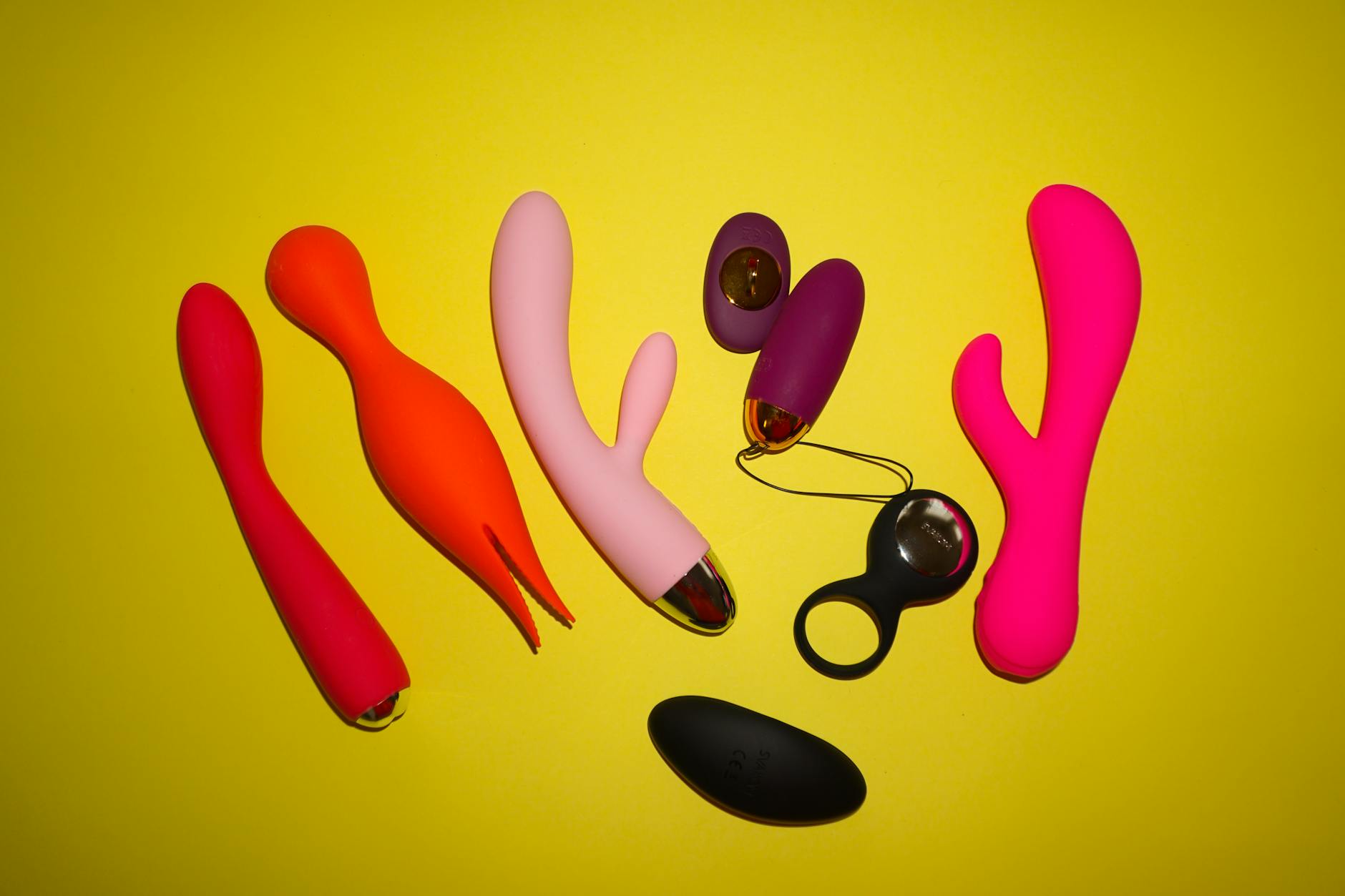
Photo by DRT.fm on Pexels
The air-suction technology in lemon vibrators matters here too. It works through gentle, rhythmic pressure rather than aggressive vibration. For someone whose nervous system has been in protective mode, that gentleness can feel safer. It's stimulation that doesn't feel invasive. You can control the intensity, you can stop anytime, and you're building sensation on your own timeline.
The neuroscience of rebuilding arousal through repetition
Your brain's reward pathways are trainable. When you consistently pair a specific sensation with a positive experience, your nervous system starts to expect good things. This is why therapists sometimes recommend solo pleasure during recovery from low libido. You remove the pressure of a partner's timeline, you remove performance anxiety, and you get to teach your own body what feels good again.
Using a lemon clitoral vibrator regularly, even if you don't feel aroused at first, starts to rewire those pathways. You're saying to your nervous system: "This is safe. This feels good. Your body deserves this." After weeks of consistent use, your body starts to believe it.
That's not placebo. That's neuroscience.
What to expect in the first few weeks
If you're starting from a place of very low desire, the first few sessions might feel clinical or disconnected. That's normal. Your body is cautious. Don't push past that. Use your Lem for 10-15 minutes at a low intensity, in a space where you feel safe, with no expectation of orgasm. The goal is sensation, not achievement.
Some people report that after 3-4 sessions, something shifts. A tingle returns. A warmth. Something that feels like interest again. For others it takes longer. There's no timeline for coming back to desire. The point is that you're creating the conditions for it to return.
Once you start feeling even small amounts of pleasure, increase your time or intensity slightly. Let your body set the pace. This isn't about proving anything to anyone.
How lemon vibrators fit into a partnership during recovery
If you're in a relationship, solo exploration with a clitoral vibrator is not a threat to your partner. It's the foundation for your relationship to improve. When you rediscover what feels good on your own, you then have information to share. You're not trying to desire them more. You're rebuilding your capacity for desire, period.
Some partners want to be involved in that journey. Some don't. Both are fine. What matters is that you're not performing desire for them while you're actually in recovery. That performance is what got you here in the first place.
If your partner is involved, the conversation isn't "I need you to do XYZ differently." It's "I'm rebuilding my relationship with pleasure, and here's what's helping." A lemon clitoral vibrator is part of your toolkit, not proof that your partner isn't enough.
The role of shame in staying stuck
One of the biggest obstacles to recovery is the shame around needing help in the first place. People sit with low libido for years because asking for what might fix it feels like an admission of failure. Using a sex toy feels like an admission that something is broken.
It's not. It's an admission that you deserve to feel good, and you're willing to take action to get there.
When to bring in other support
If you've been using a lemon clitoral vibrator consistently for 8-10 weeks and you're still feeling nothing, something else is going on. Low libido from relationship issues, trauma, medication side effects, or chronic health conditions sometimes needs professional support alongside solo pleasure tools.
A sex therapist, a relationship therapist, or your doctor are all reasonable next steps. Vibrators are powerful tools for reconnection, but they're not a replacement for addressing the actual source of your low desire.
The permission piece
Here's what I really want you to hear: coming back to pleasure is not selfish. Rebuilding desire is not a luxury. Your body deserves to feel good, even if it's been a long time since you've allowed that.
A lemon vibrator is permission in tool form. It's a signal to yourself that pleasure matters, that you matter, and that you're worth the time and intention it takes to come back.
Frequently asked questions
How often should I use a clitoral vibrator if I'm recovering from low libido?
Start with 2-3 times per week, 10-15 minutes per session. Consistency matters more than frequency. Your nervous system needs to learn that this is a regular, safe experience. Once you start feeling more sensation or desire, you can increase to whatever feels natural. There's no right amount.
Can I use a lemon vibrator if I'm on antidepressants that affect libido?
Yes. In fact, many people on medication that reduces libido find that vibrators help bridge that gap. The direct stimulation can override some of the neurological dampening. That said, if your medication is the root cause, talk to your prescriber about timing (sometimes taking it at night helps) or whether a different medication might work for you. Vibrators complement medical conversations, they don't replace them.
Will using a vibrator make partnered sex feel less satisfying?
The opposite usually happens. When you rediscover pleasure on your own, you bring that knowledge into partnered sex. You know what you like, you're more aroused, and the experience is better for both of you. Sex toys aren't competition for partners. They're information.
What if I feel nothing the first time I use a lemon clitoral vibrator?
Stay patient. Your body is learning. Try different intensities, different positions, or different times of day. Some people find that a few minutes of gentle touch beforehand helps their nervous system settle in. Also, check your expectations. You're not looking for an orgasm right now. You're looking for any sensation that says "yes, that's nice." Start there.
Should I tell my partner I'm using a vibrator during recovery?
That depends on your relationship and what feels safe. If you're in a trusting partnership, honesty usually helps. It removes shame and invites them into the process. If you're in a dynamic where judgment is likely, prioritize your recovery first. You can have the conversation once you're rebuilding momentum.
How do I know if low libido is relationship issues versus something else?
If desire is low across all contexts (solo, partnered, in fantasy), it's likely not about the relationship specifically. If desire is only low with your partner, that's a relationship signal worth exploring with them or a therapist. If it's new and tied to stress, medication changes, or major life events, that's worth investigating with a doctor. Most low libido has multiple causes, not just one.
Recovering from low libido takes time, gentleness, and tools that work with your body instead of against it. A lemon clitoral vibrator is one of the most effective tools I've seen clients use. Not because it's magic, but because it removes the shame, removes the performance pressure, and lets pleasure be straightforward again.
Your desire will come back. But it needs permission first. If you're ready to give yourself that permission, tools like the Lem can help.
Have questions about rebuilding pleasure or navigating intimacy during recovery? Reach out to us at /contact. We're here to support your journey back to yourself.