Here's the real tension
You want to use toys. Your partner isn't there yet. Maybe they think it means they're not enough. Maybe they've never seen a vibrator except in a joke. Maybe they're worried you'll prefer it to them. Maybe they just don't want to think about it.
This is one of the most common relationship gaps I see in my practice, and it's fixable. Not by forcing them, not by hiding what you want, but by moving slowly and honestly.
Why partners resist (and it's not what you think)
Most resistance to toys isn't actually about the toy. It's about what the toy represents in their head. A few common stories they're telling themselves:
"If she wants a vibrator, I'm failing." This one runs deep, especially in people who grew up believing their job was to be enough. A vibrator isn't a critique of their performance. It's a tool. Like a vibrator doesn't replace a chef, it just does one specific job really well.
"This feels like cheating." Some people have absorbed the idea that any pleasure that doesn't involve their partner is somehow disloyal. This is worth untangling directly, because it's not true and it limits both of you.
"I don't know what this means." Uncertainty breeds resistance. If they've never had a conversation about toys, they're imagining something based on porn or locker room talk, not reality. A clitoral vibrator like those from Lemon Massagers is just a tool that creates sensation. That's it.
"I don't want to think about sex right now." Sometimes the resistance is about headspace, not toys. They might be stressed, tired, or emotionally depleted. That's different from a fundamental objection.
The conversation starter that actually works
Don't lead with the toy. Lead with yourself.
"I've been thinking about my own pleasure, and I'd like to explore using a vibrator. I'm telling you because I want you to know, and because I want your support, not your permission." That last part matters. You're not asking. You're informing and inviting them into it.
Then pause. Let them react. Don't fill the silence.
If they push back, don't defend the toy. Defend your right to explore your own body. "This isn't about you or us. It's about knowing what feels good to me. I want that knowledge." That's it.
If they ask questions, answer plainly. A vibrator feels like consistent, targeted stimulation. It doesn't replace partnered sex. It's not something I've been hiding desire for. I'm just curious.
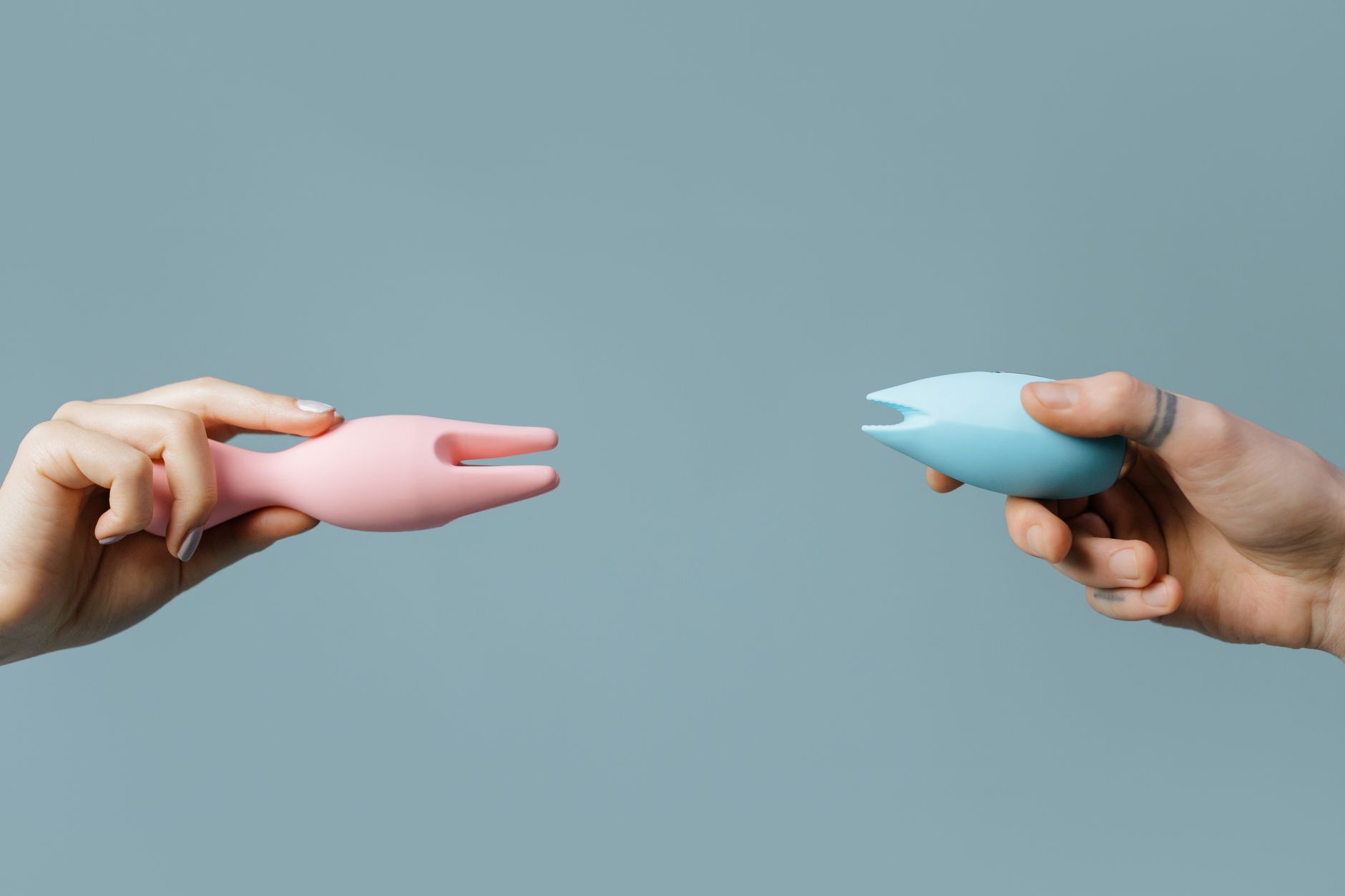
Photo by cottonbro studio on Pexels
How to use a Lemon vibrator solo (and why this matters)
If your partner isn't ready to use toys together, that's fine. You don't need their approval to touch yourself. Here's what I recommend:
Establish your own rhythm first. Use your lemon clitoral vibrator alone, multiple times, before ever involving your partner. This does two things. First, you learn what you actually like. Second, it becomes normal to you. You're not nervously trying it out for the first time while they watch.
Use it without secrecy, but with privacy. If you're hiding it, you're feeding the narrative that it's shameful or disloyal. Using it openly, but in private, sends the message that this is just part of taking care of yourself. Like brushing your teeth or taking a bath. It's normal.
Notice what patterns emerge. Which setting do you prefer? How long does it take you to warm up? Do you like it solo or do you want to combine it with something else? This knowledge becomes useful later if you decide to involve your partner.
Don't perform pleasure for them. If they're watching because they're trying to understand or get over hesitation, that's different from you performing arousal for their comfort. You can say, "I'm going to use this alone for a while, and then we can talk about it if you want."
The slow-motion introduction to your partner
Once you're comfortable with your vibrator, you can slowly invite your partner into the idea. This doesn't mean immediately using it during sex. It means normalizing it step by step.
Step 1: Casual mention. During a regular conversation, mention something matter-of-fact. "I used the vibrator yesterday. It felt really good." No drama. No invitation for feedback. Just information.
Step 2: Normalize the object itself. Leave it out on the nightstand sometimes. Not hidden. Not during sex. Just there. Some people need to see that it's not this shameful secret thing before they can be comfortable with it.
Step 3: Let curiosity come naturally. If they ask about it, answer openly. What does it do? How do you use it? What does it feel like? These are good questions. Answer them like you'd answer any question about your body.
Step 4: Invite participation without pressure. Once you're fully comfortable, you might say something like, "Would you ever want to be in the room when I use this? Or touch it with me? No pressure if not." Then actually mean the no pressure part. If they say no, that's fine. You've still got your tool and your pleasure.
What to do if they stay resistant
Some partners will never be ready. That's worth asking yourself about. Not because they're bad. But because there's a real mismatch in how you each think about pleasure, autonomy, and sexuality.
One of three things usually happens next. You decide their comfort is more important than your exploration, and you stop. You decide your exploration is more important, and you use toys despite their discomfort. Or you keep having the same conversation, hoping they'll change.
The first option teaches you that your needs are less important. The third keeps you stuck. The second is honest, but it comes with relational cost.
Sometimes that cost is worth it. Sometimes it's the right boundary to set. And sometimes it means you need to have a bigger conversation about whether you're compatible. I've worked with couples where toy hesitation was a symptom of deeper disconnection. If that's you, talking to someone can help untangle what's really going on.
When they finally want to join in
If your partner comes around, great. Don't assume they want to use it during partnered sex right away. They might want to watch while you use it on yourself. They might want to hold it for you. They might want to understand what sensation you're experiencing. Let them ask for what they want.
And here's the thing that often surprises people. When partners finally try this, they often find they like it. Not because the vibrator is magic, but because they get to see you enjoying yourself without performance. Your pleasure becomes something they're part of, not something they have to be responsible for.
That shift is usually when things change.
FAQ: Toys and resistant partners
Can using a vibrator alone actually improve partnered sex if my partner doesn't know about it?
Yes, but not because of secrecy. When you know your own body better, you can communicate better during sex. You know what you like, what takes longer, what needs to happen. That communication makes partnered sex better. The vibrator itself is just the vehicle for self-knowledge.
What if I use a Lemon vibrator alone and my partner finds out?
That depends on your relationship agreements. If you've agreed not to keep secrets about sex, then yes, this is something to talk about. Not in a confessional way. In a "here's what I'm doing and why" way. If you haven't made explicit agreements, having this conversation might help you figure out what you both need.
How long should I wait before introducing my partner to toys?
There's no timeline. Some people come around in weeks. Some take months or years. Some never do. A reasonable marker is when you feel completely comfortable with your own pleasure and no longer need their validation to do it. That's when you're in the right headspace to invite them in.
Can using lemon clitoral vibrators affect how I respond to my partner's touch?
No. Vibration is a specific stimulus. Your nervous system doesn't "forget" how to respond to hands or mouths because you've used a vibrator. That's a myth. What does happen is you learn you like multiple kinds of touch, and you can ask for them.
What if my partner says using toys means I don't love them anymore?
That's a belief they have, not a fact. You can say, "I love you and I also want to know my own body better. Both things are true." If they can't accept that after a real conversation, that's worth examining in your relationship more broadly. This issue might be a symptom of deeper control or insecurity.
Is there a specific Lemon vibrator that's best for solo use if my partner isn't involved?
The Lemon Clitoral Vibrator works for solo use because it's designed for direct clitoral stimulation and easy control. Pick whatever feels right to your body. Solo exploration is just about you and what feels good.
The real work is connection
Toys aren't the issue. Communication, trust, and your right to know your own body are the issue. The vibrator is just the thing that makes the real conversation necessary.
If you want to use toys and your partner isn't ready, you have options. You can explore alone. You can invite them in slowly. You can have a bigger conversation about what's really underneath the resistance. You deserve to know what your body likes. And ideally, your partner wants that for you too.
If they're not there yet, that's okay. But don't make their comfort the ceiling for your own exploration. Your pleasure matters.
If you're stuck in this dynamic and need support navigating it, reach out to our team. Sometimes an outside perspective helps couples move through this together.