
Let's talk about the thing no one does well
You've been sleeping with this person for a few weeks or months. Sex is good, maybe really good. And somewhere in your mind, the thought surfaces: I want to bring a toy into this. Then immediately comes the spiral. What if they think I'm not satisfied? What if they feel replaced? What if I'm moving too fast?
Here's what I've learned working with couples navigating this exact moment: the anxiety isn't really about the toy. It's about vulnerability. You're asking someone new to co-create pleasure with you, and that requires trust you're still building.
Lemon Massagers make this conversation easier because they're designed for external stimulation. They're not about replacing anything. They're about building something together.
The real reason introducing toys feels risky
Early in a relationship, sex is partly about proving something. You want to show that you're attracted, satisfied, easy to please. A toy can feel like evidence that you're not. It's illogical, sure, but logic doesn't run the nervous system.
Your partner might have their own backstory too. Maybe they grew up thinking toys were shameful, or they've had an ex who used one in a way that felt rejecting, or they genuinely don't understand why you'd want one when they're right there.
None of these stories mean you can't introduce a toy. They just mean the conversation matters more than which toy you pick.
The conversation that actually works
Don't ask permission. Don't apologize. Lead with curiosity about both of you.
"Hey, I've been thinking about trying something together. There's this kind of vibrator called a suction toy. It works really differently from what you might be imagining. I'd love to explore it with you because I think it would feel incredible for me, and I want you to see that. You interested?"
That does three things at once. First, it frames the toy as something for mutual pleasure, not a replacement. Second, it invites them into something you want to explore together, not something you're doing to them. Third, it's low stakes. You're asking about interest, not demanding a yes.
If they say no, ask why. If it's "I'm not ready," that's information you can work with. Ask when they might feel ready. If it's "I think toys are cheating," you have a real conversation to have about what sex means to both of you. That conversation is more important than the toy.
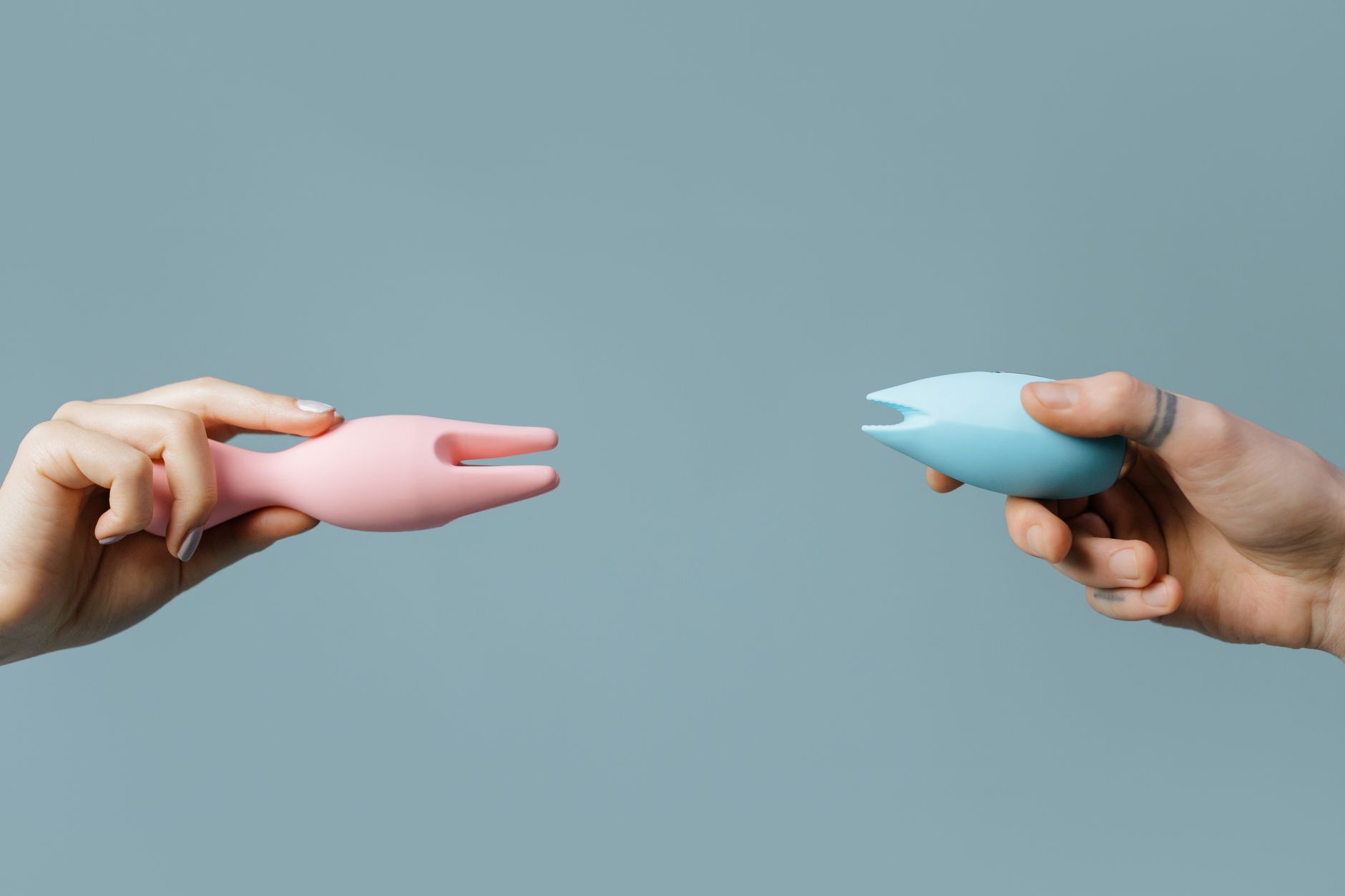
Photo by cottonbro studio on Pexels
If they say yes, you've already won the big thing: trust.
Why lemon clitoral vibrators work so well in new relationships
Most people's first toy experience was a traditional vibrator. It's just buzzing, all over, kind of a blunt instrument. Clitoral suckers like those from Lemon Massagers work differently. They create a gentle suction that feels more like oral sex than anything else.
Why does that matter when you're introducing a toy to someone new?
Because it's something neither of you have experienced before. You're not inviting them to watch something that replaces them. You're inviting them to discover something together. That's neurologically different. Novelty builds bonding.
Second, a suction toy requires you to be more present. You can't just turn it on and zone out. You're paying attention to rhythm, pressure, what feels good. Your partner gets to watch you genuinely enjoying something, which is honestly the hottest part of introducing a toy.
The actual mechanics of doing this
Start with conversation, but also start with just handling it together. Let them feel the weight of it, watch it work (maybe on their own hand), understand that it's not going to suddenly jerk them around.
When you're ready to actually use it together, a few things help:
First, you set the pace. You hold it. You control when and where it goes. Your partner isn't responsible for "getting it right." That takes massive pressure off them.
Second, add lubrication. Water-based lube makes everything feel smoother and reduces any friction anxiety. It's the Swiss Army knife of early-toy conversations. Lube makes it feel less awkward, more intentional, more sensual.
Third, let them be involved. They could help hold it. They could watch and touch you at the same time. They could use it on you. The specifics matter less than the fact that you're deciding together, in real time, what feels good.
You might orgasm. You might not. Both are fine. New partners don't yet know your body's cues, and that's normal. The point isn't to hit some finish line. The point is to build knowledge of each other.
What you're actually building here
When a couple introduces toys early, they're doing something most couples never do: they're saying out loud that pleasure is collaborative. That it's okay to want things. That exploration is normal.
That becomes the foundation for everything else. When you can ask for pleasure without shame, you can ask for anything. You can ask for emotional support. You can ask for change. You can ask for honesty.
Sex with a new partner is messy and uncertain anyway. You're learning their body, their preferences, their rhythms. A clitoral vibrator doesn't complicate that. It just gives you both another language for talking about it.
The follow-up conversation
After you've tried something together, check in. Not "Did you like that?" which creates pressure to perform enthusiasm. Try "What surprised you about that?" or "What felt good to you?"
Listen for what they say and what they don't say. If they loved it, great. If they felt weird about it, that's useful information too. Either way, you now know something real about them.
And here's the thing: they know something real about you too. They know you're brave enough to ask for what you want. They know you're not going to ghost the relationship if sex gets boring. They know that pleasure, for you, is something you're actively creating, not just something that happens to you.
That's the opposite of risky. That's the foundation of long-term intimacy.
FAQ: New partners and toys
How soon into dating should I introduce a toy?
When you feel safe enough to be vulnerable, which for some people is three weeks and for others is three months. There's no rule. The conversation matters more than the timeline. If you've had sex a few times and you're thinking about it, you're probably ready to bring it up.
What if they say it feels like cheating?
That's often rooted in insecurity or old beliefs about sex. Ask gently why they feel that way. Listen without defending yourself. Then ask: "If I only experienced pleasure in the exact way you provide it, would that be fair to you?" Most people realize that pleasure doesn't work that way. Sometimes you need help, and that's not about them being inadequate.
Should I tell them I've used toys before we met?
Not because you need to, but because shame is contagious. If you act like toys are something to hide, they'll internalize that they should be hidden. If you're matter-of-fact about your pleasure, they will be too. Lemon vibrators are tools for your body. That's all.
What if the toy works so well that orgasms feel hard without it?
First, that takes time and repetition, not one use. Second, that's not a disaster. Lots of people need different things at different times. Your hand alone, a toy alone, manual stimulation from a partner, a toy with a partner. It's all sex. It's all valid. Build your repertoire instead of getting anxious about dependency.
Can we use it together if I'm on top?
Sure. You'd hold it or your partner would hold it against your clitoris while you move. Or you'd use it beforehand and then have partner penetration once you're already aroused and close. It's just logistics. Whatever feels good to both of you is the right answer.
What if I orgasm really quickly once I introduce a toy and feel embarrassed?
That's actually information: you might need more clitoral stimulation than you realized. That's not bad. That's data about your body. Share it with your partner so they understand how you work. And remember that orgasming quickly isn't something to apologize for. It's something to celebrate.
The bottom line
Introducing a toy to a new partner is introducing honesty. It's saying: I know what I need, I'm not afraid to ask for it, and I want to build this with you. That kind of directness, especially around pleasure, is actually pretty rare. Most people stay quiet because vulnerability feels dangerous.
But new relationships are already vulnerable. You don't know yet if this person will stick around. You don't know if they'll hurt you. You're taking a chance every time you have sex with someone new.
Adding a toy doesn't increase the risk. It just changes the conversation from "Am I enough?" to "How can we explore this together?"
That's a much better conversation to build a sexual life on. And that's where Lemon Massagers come in. They're designed for pleasure that's collaborative, not solitary. For two people learning each other's bodies and discovering what comes next.
Start with the conversation. Lead with curiosity. Then let the rest unfold naturally.