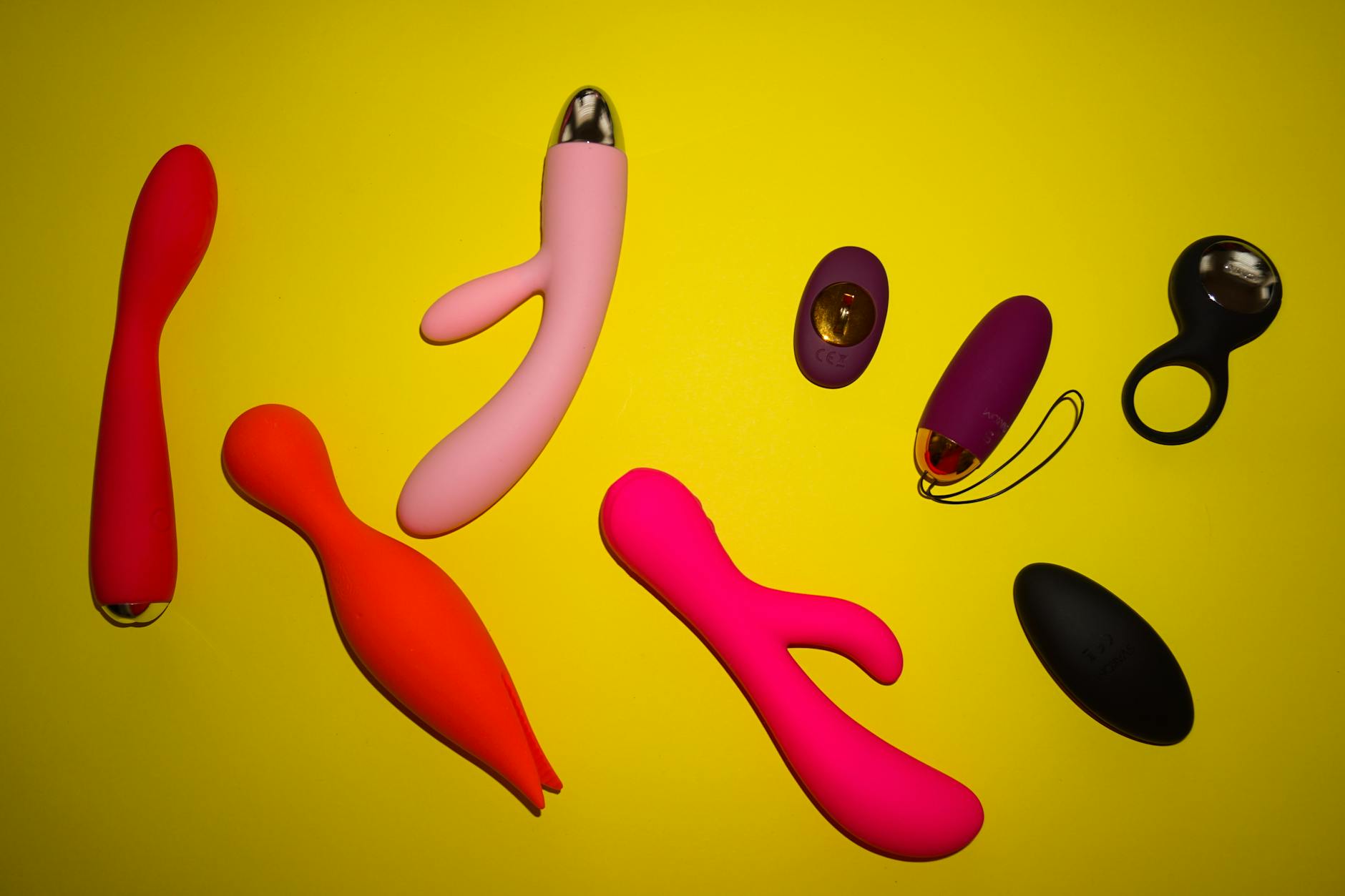
Let's start with what depression actually does to pleasure
Depression doesn't just make you sad. It flattens sensation. Your clitoris is still there. Your nerve endings still work. But somewhere between your brain and your body, the signal gets lost in a fog. You might touch yourself and feel almost nothing. A vibrator that once brought you to the edge now feels like holding a buzzing phone against your skin. This isn't a character flaw. It's a neurochemical reality.
Depression dampens dopamine and serotonin, the neurotransmitters responsible for pleasure, motivation, and sensation registration. When those are low, your body can technically respond to stimulation, but your brain isn't receiving the message. It's not numbness in the anatomical sense. It's numbness in the neurological sense. And it's one of the most isolating parts of depression that nobody talks about.
How air-suction vibrators work differently when sensation is muted
Most vibrators rely on vibration frequency alone. If your nervous system is dampened by depression, frequency might not cut through the fog. That's where lemon clitoral vibrators with air-suction technology change the game. Air-suction works through a completely different sensory pathway than vibration. Instead of stimulating nerves through oscillation, suction creates a gentle vacuum that stimulates the entire clitoral structure at once.
Here's what matters: your nervous system has multiple sensory channels. When one (vibration) isn't firing properly, another (suction pressure) sometimes can. A Lem vibrator, for example, uses pulsing suction that engages deeper nerve clusters than surface vibration alone. It's not about forcing sensation through a fogged system. It's about finding a sensory pathway that bypasses the deadened one.
This is why clients with depression often report that lemon adult toys feel different than traditional vibrators. The sensation doesn't feel like "buzzing." It feels like pressure, like touch, like something real is happening. When depression has flattened your nervous system, that distinction is everything.
Starting small when your body feels like a stranger
When sensation is numb, the instinct is often to crank up intensity. That backfires. Your nervous system doesn't respond to force when it's depressed. It responds to consistency and time. Here's how to approach lemon vibrators when numbness is real.
Start with the lowest setting. Don't aim for orgasm. Aim for sensation. Turn on the Lem at pattern one and spend 10-15 minutes just noticing what you feel. You might feel almost nothing. That's okay. You're not trying to feel something yet. You're establishing a baseline and giving your nervous system time to wake up. Many people find that after 10-15 minutes of gentle stimulation, sensation slowly starts to register. It's not a switch. It's a gradual thaw.
Use a water-based lubricant even if you don't think you need it. Depression often kills natural lubrication, and lube reduces friction, which means your nervous system doesn't have to work as hard to register sensation. Less friction means the stimulation reaches your brain more clearly.
Set a time boundary. Don't chase sensation for an hour. Twenty minutes is plenty. Your nervous system gets fatigued when it's already depressed. Brief, consistent sessions work better than marathon attempts that leave you feeling worse when nothing clicks.
The mind-body disconnect is real and it's not your fault
One of the cruelest parts of depression is that your body can respond while your mind is completely disconnected. You might achieve physical arousal—lubrication, swelling, even orgasm—while feeling absolutely nothing emotionally. This creates a weird dissonance that can feel worse than pure numbness.
When you're using a lemon clitoral vibrator and this happens, here's what helps: separate the two conversations. Your body responding doesn't mean depression is gone. Your body not responding doesn't mean something is broken. Depression exists in the gap between what your body is doing and what your mind is feeling. Recognizing that gap is actually the first step to bridging it.
Many people find that the act of using a vibrator is itself a signal to their brain that they're taking their pleasure seriously. You're not waiting to feel better before you prioritize sensation. You're actively meeting your body where it is right now. That agency matters more than the orgasm.
Rewiring: small wins over months, not minutes
During depression, sensation comes back incrementally. You might use a Lem vibrator for two weeks and feel nothing. Then one day, you feel a flutter. Not pleasure yet. Just a flutter. That's neurological rewiring happening. Keep going. The next week, you might feel pressure instead of just vibration. The week after, maybe a tingle. This is normal. This is what healing feels like when depression is involved.
The best thing you can do is establish a low-pressure routine. Once or twice a week, same time of day, same setting, same lubricant, same device. Your nervous system loves pattern and consistency. Routine is a form of neurological medicine. When depression has scrambled your sensations, routine helps your brain reorganize the signals.
Don't confuse lack of orgasm with lack of progress. If you're feeling more sensation than you felt last month, you're progressing. If you had a moment where pleasure registered before flatness returned, you progressed. Progress during depression isn't linear. It's a series of small, often invisible victories.
When medication and vibrators work together
Many antidepressants dull sensation as a side effect. SSRIs in particular can make orgasm difficult or impossible for some people. This creates a painful choice: take medication that helps your mood but kills your pleasure, or stop taking it and risk returning to depression.
Here's the honest part: lemon vibrators won't override medication side effects. But they can sometimes help your nervous system register sensation more efficiently. If you're on an SSRI and sensation feels muted, air-suction devices sometimes work better than vibration alone because they use a different sensory pathway. It's not a cure. It's a workaround.
If medication side effects are serious, talk to your doctor about timing (taking the dose after sex rather than before), switching medications, or adjusting dosage. Some medications have fewer sexual side effects than others. That conversation matters as much as finding the right vibrator.
The role of self-compassion (yes, really)
When you're depressed and trying to feel pleasure, shame often sneaks in. You feel broken. You feel like you should be able to just enjoy sensation, and the fact that you can't proves something is wrong with you. This shame actually deepens the numbing. Your nervous system withdraws further when you're attacking yourself.
Using a lemon clitoral vibrator while depressed is an act of self-care, not indulgence. You're not trying to distract yourself from depression. You're maintaining a connection to your body during a time when depression is trying to isolate you from it. That's profound. That matters.
If pleasure returns while you're depressed, celebrate it. If it doesn't, that's okay too. The point isn't the orgasm. The point is staying present in your body, maintaining routine, and not letting depression convince you that sensation is gone forever. It's not. It's just on pause.
Reaching out when numbness feels hopeless
If you've been using lemon vibrators consistently for three months and sensation hasn't returned at all, and depression is deepening, that's a signal to reach out to your therapist or doctor. Not because you're doing something wrong. Because depression might need a different approach.
Persistent sensory numbing combined with depression sometimes responds to medication adjustments, therapy approaches that specifically address embodiment, or both. Talk therapy alone often isn't enough for the body-level shutdown that depression creates. Somatic therapy, body-based interventions, even brief medication tweaks can sometimes help sensation return when vibrators alone hit a wall.
Reconnecting with pleasure during depression is possible. It's slow. It's not guaranteed on a timeline. But thousands of people have done it. With consistency, the right tools, and patience with yourself, sensation comes back. Usually not all at once. But it comes.
People also ask
Can you have an orgasm when you're depressed?
Yes, but it might feel empty. Depression can allow physical orgasm while blocking the emotional sensation that makes it feel pleasurable. This is one of the cruelest parts of depression. Your body can respond while your mind stays flat. If this is happening to you, it's not a sign that depression is lifting. It's just a sign that your body and mind are temporarily out of sync. Both experiences are valid. Both happen.
Why do lemon sexual toys sometimes work better than regular vibrators for depression numbness?
Air-suction vibrators like the Lem stimulate through pressure and suction rather than vibration alone. When depression dampens the nervous system, different sensory pathways can sometimes register sensation more clearly. Suction engages nerve clusters deeper in the clitoral structure. For some people, that creates a sensation that feels more "real" than surface vibration when their nervous system is muted. Not everyone responds better to suction, but it's worth trying if traditional vibration feels like nothing.
How long does it take for sensation to come back when using lemon clitoral vibrators during depression?
There's no standard timeline. For some people, sensation slowly returns over weeks. For others, it takes months. Depression is unpredictable. If you're using a vibrator consistently and sensation isn't returning after three months, check in with your therapist or doctor. Sometimes depression needs additional support before pleasure can return. Patience matters, but so does knowing when to ask for help.
Should you keep using a vibrator if it doesn't feel like anything?
Yes, but reframe why. You're not using it to chase sensation. You're using it to maintain a routine, signal to your body that pleasure matters, and keep a connection to sensation alive while depression is dampening it. This is maintenance, not pursuit. The goal is consistency and presence, not orgasm. Many people find that after weeks of consistent, low-pressure use, sensation gradually surfaces. It's not forced. It emerges.
Is it normal to feel worse after trying to use a vibrator when depressed?
Yes. Sometimes attempting pleasure when depressed highlights how numb you actually are, which can feel defeating. If this is happening, try reframing the session. Instead of "I'm trying to feel pleasure," try "I'm practicing presence with my body." Lower the time commitment to five minutes. Reduce the intensity to the absolute minimum. Sometimes the goal isn't sensation at all. It's simply showing up. That's enough.
Can lemon vibrators help if you're also taking antidepressants?
They can help, but they can't override medication side effects. If an antidepressant is killing sensation, a vibrator might help you feel something, but the underlying issue is medication-related. Talk to your doctor about whether timing, dosage, or switching medications might help. Vibrators are a tool for reconnection, not a fix for medication side effects. Both conversations matter.
Moving forward
Depression numbs sensation because it numbs everything. Your job isn't to force pleasure. It's to gently keep the door open while your nervous system heals. A lemon vibrator, especially one with air-suction technology like the Lem, can be part of that process. Not as a magic fix. As a small, consistent signal to your body that sensation and pleasure still matter, even when depression is telling you they don't.
If you're struggling with depression and sensory numbness, you're not alone. Thousands of people have walked this path. Sensation returns. Sometimes it takes longer than you'd like. Sometimes you need help from a therapist or doctor alongside the vibrator. But it comes back.
If you want to talk through your specific situation or need support finding the right tool for your body, reach out to us. We're here to help.