When birth control changes everything (and why)
You started the pill, the patch, or the ring. A few weeks in, something felt off during solo time or with a partner. Maybe orgasm took longer. Maybe clitoral sensation felt muted. Maybe arousal felt like pushing uphill instead of building naturally. You're not imagining it. Hormonal birth control absolutely changes how your body responds to pleasure, and understanding why matters way more than white-knuckling through it.
Here's the thing: birth control works by suppressing your natural hormone cycle. That's the whole point. But your clitoris, your arousal system, and your lubrication are all wired into that cycle. Change the hormones, and you change the signals. This isn't failure. It's biology. And it's fixable.
What hormonal birth control actually does to sensation
Most hormonal birth control (pills, patches, rings, implants) use synthetic estrogen and progestin to stop ovulation. But the side effects ripple through your entire sexual response system. Here's what typically happens:
Clitoral sensitivity gets quieter. Your clitoris has estrogen receptors. When you're on the pill, synthetic hormones activate those receptors differently than your body's natural estrogen does. For some people, this means sensation feels duller. For others, it takes longer to build to that tipping point where pleasure becomes unmistakable.
Lubrication changes. Natural lubrication is partly estrogen-dependent. Lower or differently-timed synthetic estrogen can mean less slickness during arousal. This isn't dryness (though some people experience that too). It's often just less of a head start, which means penetration or clitoral contact might feel different.
Arousal takes longer. The brain chemistry that triggers sexual interest is partly dopamine and partly testosterone. Hormonal birth control can lower testosterone slightly, which means your nervous system gets a slower "turn on" signal. What used to feel immediate now feels gradual. Or stalled.
Orgasm intensity sometimes dips. When sensation is quieter and arousal is slower, orgasm can feel less dramatic. Instead of a clear peak, you might feel a gentle wave. Again: not broken, just different.
The weird part? Some people experience the opposite. They feel more sensation, clearer orgasms, easier arousal. Hormones are not one-size-fits-all. Your body is having its own response to your specific birth control formula.
Why lemon vibrators work better when sensation is muted
This is where it gets practical. If you've tried sensation-based pleasure and it felt like work, you're probably reaching for the wrong tool. Here's why lemon clitoral vibrators (and suction-based toys in general) are so effective when birth control flattens sensation:
Traditional vibrators buzz at a frequency your numbed-down receptors might miss. Suction toys work differently. They create rhythmic pressure and release instead of vibration. That pressure activates a completely different neural pathway. Think of it like this: if your nerves are less responsive to gentle buzzing, they perk up to consistent pressure patterns.
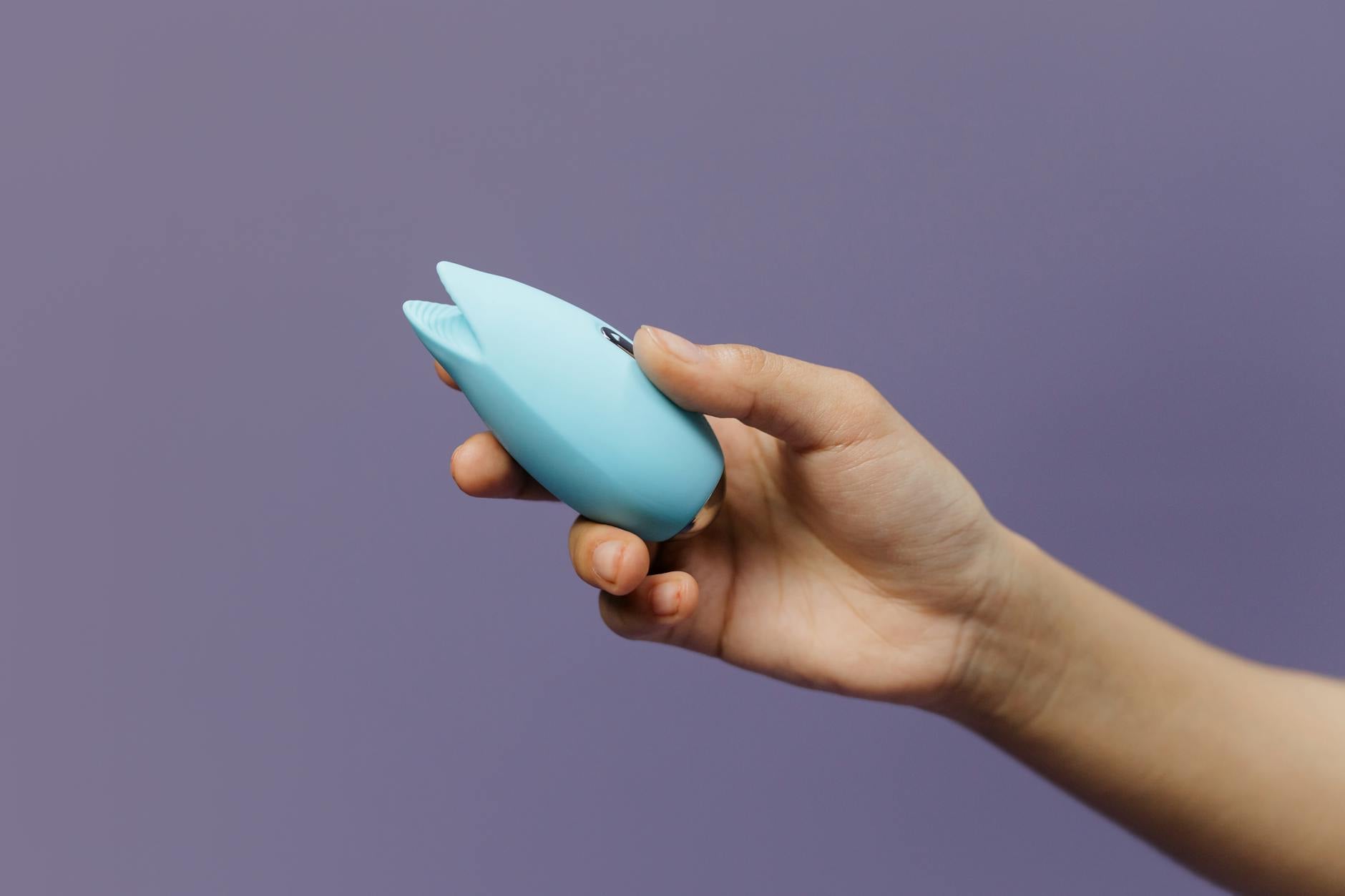
The lemon vibrator uses air-pulse technology that mimics oral suction without the jaw fatigue. When clitoral sensitivity is lower, that deep, steady pressure often breaks through the fog faster than a standard vibrator would. It's not about finding more power. It's about finding the right sensation frequency.
The reframe: sensation didn't disappear, it shifted
Here's what I tell clients: you're not less capable of pleasure. You're recalibrating. That's annoying, sure. But it's also an opportunity to discover what actually works for you right now, instead of defaulting to what worked before.
Some practical reframes for this moment:
Longer warm-up is not a problem, it's information. If arousal now takes 15-20 minutes instead of 5, that's not dysfunction. That's your body telling you it needs more buildup. Use that time. Mental foreplay, partner touch, fantasy, slow breathing. Make the journey part of the pleasure instead of racing to the destination.
Sensation being quieter doesn't mean it's gone. It means you're developing more nuance. Pay attention to what actually registers. Is it the pressure, the pattern, the warmth, the rhythm? That specificity often leads to stronger, more memorable orgasms than just chasing the biggest feeling.
Different partners or situations might feel very different now. Some people find that sensation returns faster with a partner than solo, or vice versa. Some find that certain positions or angles matter more now. That's not weird. That's your nervous system being honest about what it needs.
How to actually use lemon vibrators when sensation is muted
Okay, so you've got your lemon clitoral vibrator. Here's how to use it strategically when birth control has changed your baseline.
Start with pattern, not power. Most suction vibrators have 3-5 intensity levels and multiple pulse patterns. If you jump to high, you might overwhelm a quieter nervous system or feel overstimulated weirdly (yes, that's a real thing). Start at level 1 or 2, pattern 1. Spend 60 seconds there. Notice what you notice. Does it feel pleasant? Odd? Nothing yet? That's all data.
Angle matters more than you think. The clitoris isn't just the visible bud. It's a whole structure with arms extending internally. When sensation is lower, finding the angle that resonates most for your body becomes crucial. This might mean tilting the toy slightly, moving it slightly to the left or right, or pressing it more directly into the hood. Experiment.
Stay with one pattern for at least 3-4 minutes before switching. When sensation is quieter, your nervous system needs time to wake up. Jumping between patterns every 30 seconds usually means you never settle into a rhythm that builds. Let one pattern do its work. If nothing is happening after 4 minutes, move to the next one.
Combine with mental engagement. When birth control has softened sensation, your brain becomes even more important to the equation. Fantasy, audio erotica, a partner's touch, focused attention on a specific memory. Your brain isn't separate from your pleasure. It's half the equation. Feed it.
Use water-based lube even if you don't think you need it. Birth control can mean less natural slickness. Lube isn't admitting defeat. It's removing friction so sensation can actually register. A small amount around the clitoral area can make the difference between feeling muted and feeling present.
When sensation doesn't bounce back (and that's okay)
Some people adjust to birth control within a month and find sensation normalizes. Others never really "bounce back" the way they were before. That's not tragic. It's just the card your body dealt you.
If you're months in and sensation still feels flat, you have options:
You can switch birth control. Different formulations affect sensation differently. Some people find that switching from the pill to the ring or patch changes everything. Or moving to a lower-dose pill. Your gynecologist can help you explore this.
You can also learn to work with what your body is now. This isn't settling. It's actually how many people discover deeper, more reliable pleasure than they had before. When you stop waiting for sensation to feel a certain way and start exploring what actually feels good now, you often find more than you lost.
The partner conversation
If you're with someone, they need to know that something shifted and it's not about them. "I started birth control and my body's responding differently to touch" is a complete sentence. You don't owe a dissertation on hormonal mechanisms. But you do owe honesty.
Maybe you want to explore lemon vibrators together. Maybe you want partner involvement in finding new patterns that work. Maybe you want solo time to recalibrate first. All of those are valid. The key is naming what changed so you're both working from the same reality.
Quick wins: what actually helps right now
These are the things I recommend to clients experiencing sensation changes from birth control:
Extend your warm-up time by 5-10 minutes. Set a timer if you need to. Patience is a pleasure strategy.
Try the lemon vibrator at a lower intensity than you think you need. Quieter sensation often responds better to building gradually.
Pay attention to what part of your cycle (even on birth control, your body has slight hormonal rhythms) feels most responsive.
Use lube. Seriously. Remove that variable.
If you're also on antidepressants or other medications, know that combinations can compound sensation changes. A conversation with your doctor might be worth it.
FAQ: Sensation changes and lemon vibrators
How long does it take for sensation to adjust to birth control?
Three to six months is typical. Some people notice changes week two. Others feel pretty much normal after a month. There's no standard timeline. If you're not feeling any improvement after three months, it might be worth talking to your gynecologist about switching formulations.
Can I use a lemon vibrator if my clitoral area feels tender or overstimulated?
Yes, but start at the lowest intensity. And consider using it on the inner labia or the clitoral hood (the fold of skin covering the clitoris) instead of direct contact. Sometimes redirecting the sensation helps.
Does switching birth control immediately fix sensation?
Not always. Sometimes yes, sometimes it takes a few weeks for your body to adjust to the new formula. And sometimes the new formula has its own side effects. Give it at least a month before deciding it's not working.
Is it normal that my partner can still make me orgasm but the vibrator isn't doing it?
Completely normal. Partnered touch often engages different nerve pathways and emotional centers than solo play. They're not the same thing. You might need both, or you might find that you need a vibrator during partnered play but not solo. All of that is fine.
Can anxiety about sensation changes make things worse?
Absolutely. Anticipating numbness can create it. This is where the mental game becomes huge. Some people find that curiosity ("what will I actually feel?") works better than worry ("what if nothing happens?").
Should I try a different type of vibrator if the lemon vibrator isn't working?
If you've given it a solid two weeks at different intensities and patterns, and nothing's clicking, yes. Some people find that a wand vibrator, a bullet, or a different suction toy works better. Your body gets to be picky. That's not weakness.
What comes next
Birth control changes things. That sucks sometimes. But it doesn't have to mean less pleasure. It means finding pleasure in a different frequency, with different timing, using different tools. The lemon vibrator exists partly because bodies change. Your job is to stay curious about what your body wants now, not to chase what it wanted before.
If sensation feels stuck after a couple of months, or if you want guidance specific to your situation, reach out at /contact. Pleasure shouldn't be this complicated. Sometimes talking it through helps.