The conversation nobody warns you about
You start an antidepressant. Within two to four weeks, you feel better. Your anxiety lifts. Your mood stabilizes. And then you notice something nobody mentioned in your GP's office: sex feels... flat. Orgasms are quieter, if they happen at all. Touch doesn't spark the same electricity.
You're not broken. Your medication is working exactly as it's supposed to. And this side effect is wildly underreported, which means most people assume they're alone in noticing it.
Honestly? You're not. Sexual side effects from selective serotonin reuptake inhibitors (SSRIs) and other antidepressants are clinically documented and common. The good news is that understanding what's happening, and having the right tools, makes it manageable without abandoning your mental health.
What antidepressants actually do to pleasure
SSRIs work by increasing serotonin availability in your brain. Serotonin is the neurotransmitter that stabilizes mood. But here's the part your prescriber might not have emphasized: serotonin also dampens sexual arousal and orgasmic response. That's not a bug in the system, it's a known side effect that happens in 40 to 60 percent of people taking these drugs.
The mechanism is straightforward. Dopamine drives desire. Serotonin creates calm. When you increase serotonin to manage depression or anxiety, you're pulling attention away from the dopamine pathways that fuel sexual wanting. The result is reduced spontaneous arousal, delayed or absent orgasm, and sometimes a general numbness to pleasure cues.
What doesn't change: your capacity for pleasure, your clitoral nerve density, your ability to feel at all. The signal is just quieter, like someone turned down the volume on a song you love.
The timeline and what to expect
Most people notice sexual side effects within the first four to eight weeks of starting an SSRI. This is maddening timing because you're finally feeling mentally stable and then this happens. The instinct is often to stop the medication. Please don't do that without talking to your prescriber.
Here's what research shows: the sexual side effects sometimes ease after three to six months as your body adjusts. Sometimes they don't. For some people, they're a permanent trade-off they're willing to make for mental stability. For others, switching to a different class of antidepressant (like bupropion, which actually increases dopamine) solves the problem.
The point is this. You don't have to choose between mental health and pleasure. But you also need accurate information about what your options actually are.
Why sensation-focused tools matter more now
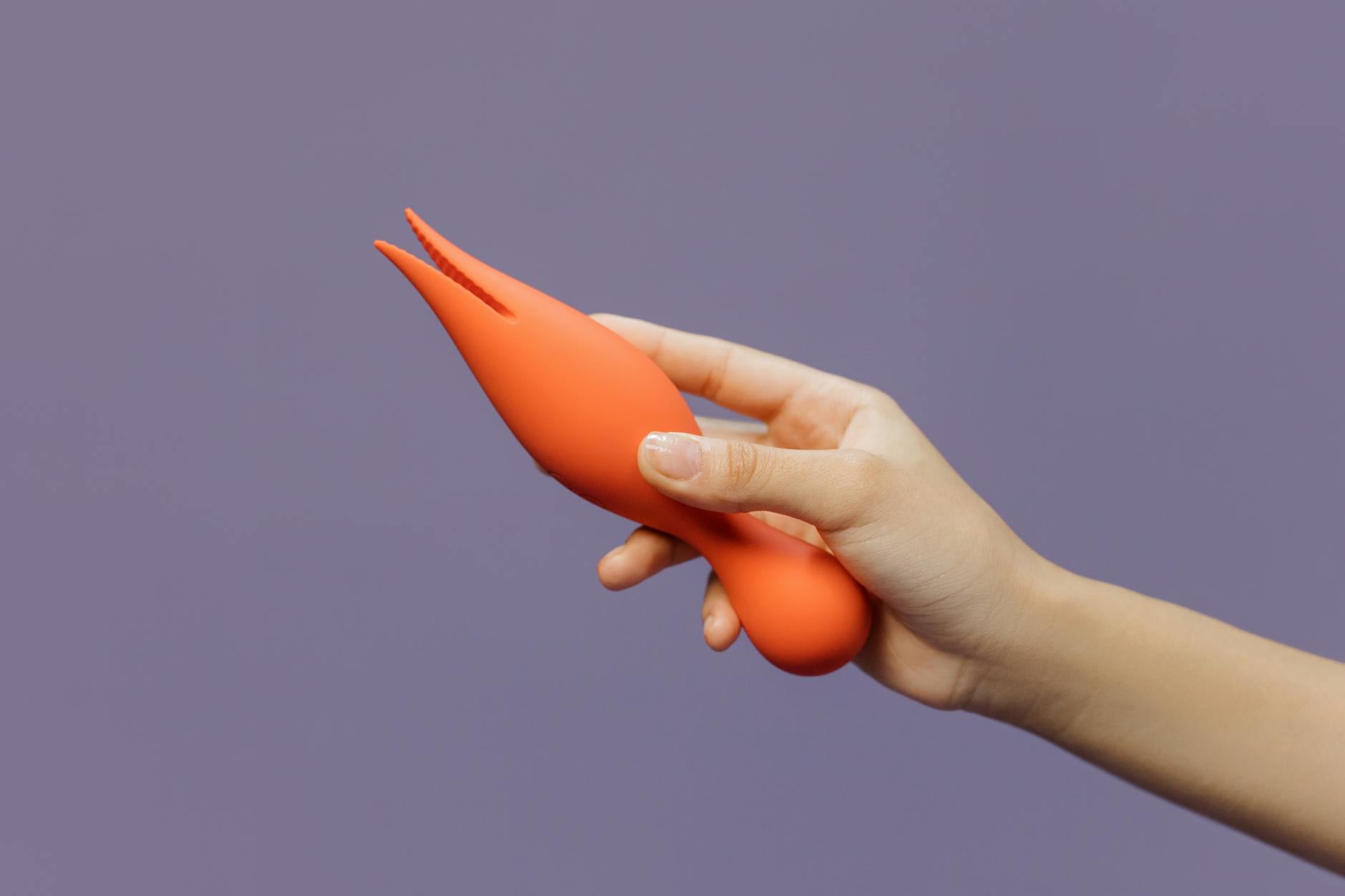
When your brain's pleasure signals are muted by medication, external stimulation becomes even more important. This is where clitoral vibrators, specifically ones designed around suction and patterned stimulation like the Lemon line, shift the game.
Traditional vibrators rely on frequency and intensity to override sensation numbness. They work okay, but they're loud, they demand more from your body, and they can numb you further if you use them aggressively. Air-suction vibrators work differently. They don't vibrate against tissue. They create rhythmic suction that activates a wider nerve cluster and produces more complex sensory input. For someone whose pleasure signals are dampened, that complexity matters.
Think of it like this. A traditional vibrator is a single note played louder. A suction vibrator is a chord. Your medication-muted brain responds better to chords.
How to actually use lemon clitoral vibrators on antidepressants
Start lower than you think you need to. Most people's instinct is to jump to the highest setting and hope it works. With muted sensation, that backfires. You end up desensitizing yourself further.
Instead, begin at pattern one or two on your Lemon vibrator. Spend 5 to 10 minutes just exploring what you feel. Your job isn't to orgasm yet. It's to tune in to whatever sensation is there, no matter how quiet it is. This is called "somatic awareness," and it genuinely rewires how your brain processes pleasure signals.
Then add lubrication. Water-based lube reduces friction and makes sensation sharper because you're not fighting resistance. More signal gets through to your nervous system. It sounds small, and it changes everything.
Give yourself 20 to 30 minutes. Antidepressant-muted arousal is slower to build. Rushing it guarantees frustration. Patience, weirdly, is the most effective technique here.
The partner conversation (if there is one)
If you're in a relationship, your partner probably noticed the change too. This is where miscommunication breeds resentment fast. "You don't want me anymore" gets layered on top of "my meds are working." Both feel true. Neither is actually the problem.
Have the conversation separately from the bedroom. Say something like: "My medication is affecting how my body responds to pleasure. This isn't about you or how I feel about you. Here's what helps." Then show them. Use your Lemon vibrator with them present. Let them see that it's not a rejection of intimacy, it's a recalibration of it.
Many partners find this actually deepens connection because it removes the performance pressure. You're collaborating on a solution instead of each assuming the other is pulling away.
When to talk to your doctor about switching
If three months in, sensation still hasn't budged and the sexual side effects are significantly affecting your quality of life, bring it up. "Quality of life" includes sexual wellbeing. It's not superficial. A good prescriber will listen.
Options include dosage adjustment, adding a medication that counteracts the sexual side effect (bupropion or buspirone sometimes help), or switching to a different class of antidepressant altogether. Some people find that tricyclic antidepressants or SNRIs produce fewer sexual side effects than SSRIs. Others do better on bupropion, which increases dopamine instead of just serotonin.
You don't have to accept flatlined pleasure as the price of mental health. But you also need to have that conversation with medical evidence behind you.
What helps beyond the vibrator
Three things amplify the effect of clitoral vibrators when you're on antidepressants.
First: reduce stress beforehand. Your nervous system is already working harder to process pleasure signals. Spending 10 minutes on deep breathing or a warm shower beforehand genuinely lowers the threshold for arousal. This isn't woo. It's parasympathetic nervous system activation.
Second: separate pleasure time from everything else. Don't try to masturbate while scrolling. Don't half-try when you're waiting for something else. Give it a proper 30-minute window with your phone in another room. Your brain needs that dedicated attention to overcome medication-dampened signals.
Third: track what works. Keep a simple note on your phone. "Pattern two, 15 minutes, lube, felt good." Or "Pattern four too intense, numb afterward." After two weeks you'll see patterns. You'll know exactly what your medicated body responds to.
People also ask
Can you orgasm on antidepressants at all?
Yes. Most people do, eventually. It might take longer, it might require more direct stimulation, and it might feel different than before medication. But orgasm is still absolutely possible. The issue isn't your capacity. It's the signal getting through.
Do sexual side effects ever go away on their own?
Sometimes. About one third of people report that sexual side effects ease after the first few months as their body adjusts to the medication. One third find they persist. One third experience them from day one and they never improve. There's no way to predict which group you'll be in, so give it three to six months before deciding whether to switch.
Is it better to use a vibrator alone or with a partner when on antidepressants?
Both work. Some people find that partnered use adds pressure to perform, which actually makes the numbness worse. Others find that a partner's presence and involvement helps them relax into sensation. You'll know which one works for your nervous system. Start solo, see what happens, then decide.
Will stopping the vibrator make my sensation come back faster?
No. The numbness is from the medication, not from the vibrator. Using a lemon clitoral vibrator actually helps your brain re-map pleasure pathways. It's active rehabilitation, not avoidance. The goal is to use sensation-focused tools to wake your nervous system back up.
Should you tell your partner you're using a vibrator because of antidepressants?
That's your choice, but if you're in a relationship, telling them removes shame and clarifies that this is about biology, not desire. Most partners feel relief when they understand it's not personal. Some relationships actually grow closer when partners collaborate on solutions instead of each assuming the other is withdrawing.
What if the vibrator makes things feel more numb?
Then you're probably using it too aggressively. Start with pattern one for short bursts. Aggressive stimulation triggers a refractory numbing response in already-dampened nervous systems. Less is more here. Gentleness and patience will get you further than intensity.
The honest thing about pleasure and mental health
Taking care of your brain matters more than any single pleasure sensation. Full stop. If an antidepressant saves your life, that's the right choice even if the sexual side effects are real and frustrating.
But you don't have to accept flatlined pleasure as the permanent cost. It's a side effect you can work with, manage, and often overcome. Understanding what's happening in your neurochemistry helps. Having the right tools, like a Lemon clitoral vibrator designed to work with muted sensation, helps more. And knowing you're not alone in noticing this, and that it's fixable, helps most of all.
Your mental health and your sexual wellbeing aren't in conflict. They're part of the same conversation. And that conversation deserves the same attention you'd give to any other aspect of your health.
If you're navigating this and feeling lost, or if you want to explore how to rebuild intimacy more broadly after medication changes, we're here. Reach out to us anytime.