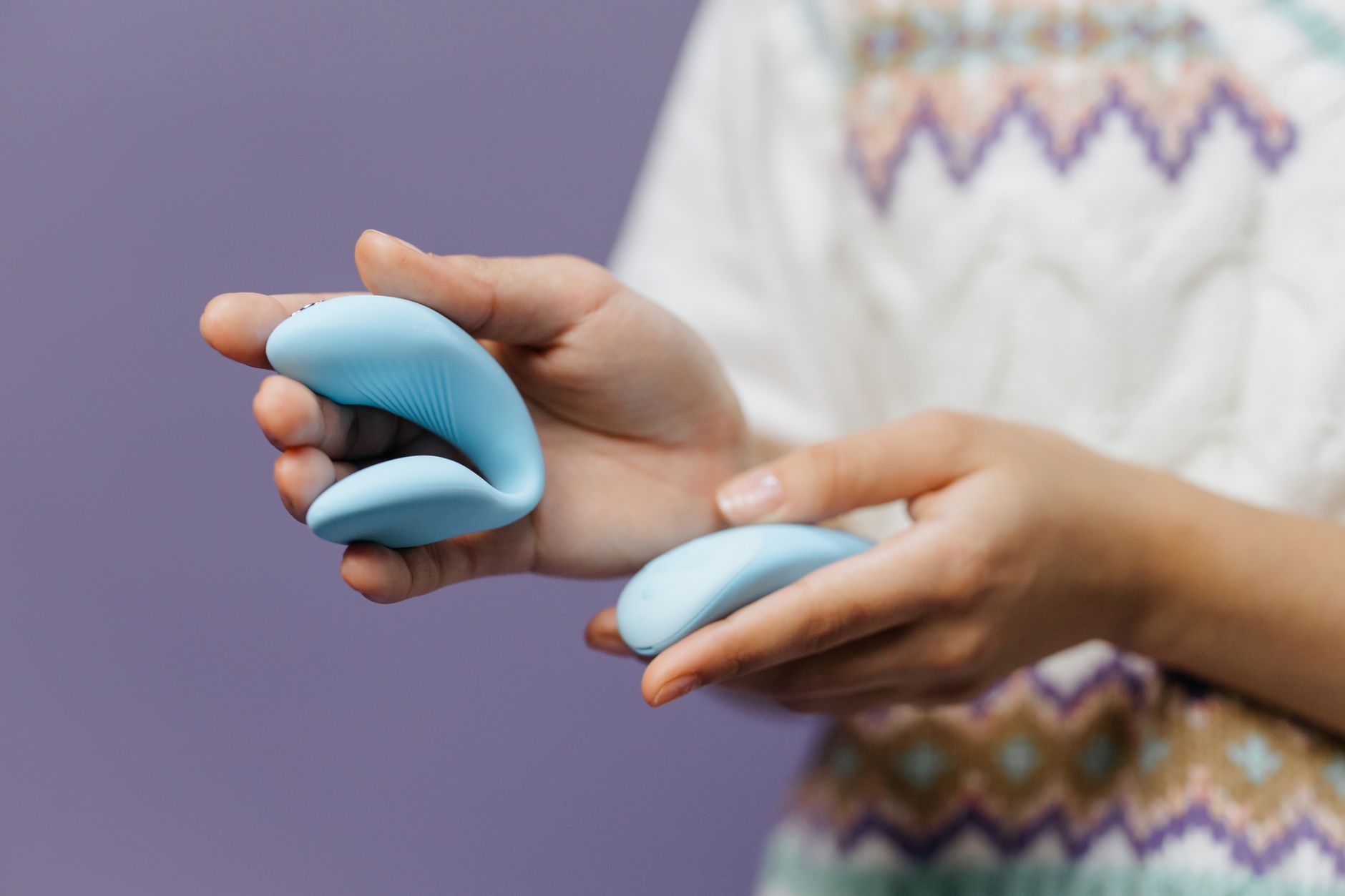
Here's what nobody tells you about exercise and pleasure
You crushed your workout. You're riding that endorphin high. But when you go to explore pleasure later, something feels off. The sensation is duller. Arousal takes longer to build. Your body doesn't respond the way it normally does.
This isn't in your head. And you're not broken. Heavy exercise temporarily rewires your pelvic floor tension and blood flow in ways that directly affect clitoral sensitivity.
Why intense workouts change how sensation feels
When you do high-intensity exercise—HIIT, heavy lifting, intense cardio—your pelvic floor muscles are working overtime. These muscles are connected to your clitoris and your entire genital region. By the end of a hard workout, they're fatigued, tight, and flooded with lactic acid.
At the same time, your nervous system is in sympathetic overdrive. Your cortisol is elevated. Blood is being redirected to your muscles and away from your digestive and reproductive systems. This combination creates exactly the opposite environment your body needs for arousal.
The sensation changes because your clitoral tissue has less blood flow, and your pelvic floor is too tense to respond dynamically to stimulation. It's like trying to type on a keyboard with stiff fingers. The mechanism works, but the input feels clunky.
Most people assume this means they've lost interest in pleasure or damaged their sensitivity. In reality, it usually just means your timing is off.
The timing question: when to use clitoral vibrators after exercise
The sweet spot is usually 4 to 8 hours after your workout, once your nervous system has returned to parasympathetic dominance. If you try within 2 hours of finishing heavy exercise, you're fighting your own physiology.
If you're someone who works out in the morning and wants to explore pleasure in the evening, you're probably fine. If you're trying to have sex or use a vibrator immediately post-workout, that's when you'll feel the friction and disappointment.
One exception: gentle, low-intensity exercise like walking or yoga can actually improve arousal. You're still getting movement and stress relief without triggering that sympathetic lockdown. If you're planning to use lemon vibrators later in the day, a light walk might actually prime your nervous system better than a spin class.
How pelvic floor tension blocks sensation
Your pelvic floor muscles contract during exercise as part of your core stability. This is good—it means your pelvic floor is strong. But like any muscle, it needs to relax completely afterward.
The problem is that many people stay in a partial state of tension, especially if they're doing frequent high-intensity training. Their pelvic floor never fully releases. This chronic tension reduces blood flow to the clitoris and makes stimulation feel muted or uncomfortable.
Before you use a lemon clitoral vibrator after an intense workout, spend 10 to 15 minutes actively relaxing your pelvic floor. This isn't about Kegels. This is the opposite.
Lie down on your back. Place one hand on your lower belly. Breathe slowly and imagine your pelvic floor muscles softening and releasing. Some people find it helpful to think of it like a flower opening. You can also try gentle stretching: child's pose, butterfly pose, or simply lying on your back with your knees bent and feet on the ground, letting gravity do the work.
Setting yourself up for success with lemon vibrators
Once you've given your nervous system time to recover and you've consciously released pelvic floor tension, here's what works:
Start at lower intensity. If you normally begin at pattern 3 or 4 on your clitoral vibrator, dial it back to 1 or 2 and build from there. Your tissues are still sensitive from the workout, and starting gentle allows you to ease back into sensation.
Add more foreplay. Post-workout, your arousal ramp takes longer. Give yourself 20 to 30 minutes of warm-up before introducing your vibrator. This helps redirect blood flow to your genitals and signals to your nervous system that pleasure is the agenda now, not performance.
Use lubricant. Exercise dehydrates you, and that includes the tissues down there. Water-based lubricant isn't just comfort—it's a practical reset for sensation after your body has been running a different program.
Breathe consciously. Before and while using your vibrator, slow your breathing down. In for four counts, out for six. This is the fastest way to shift from sympathetic to parasympathetic activation. Once your nervous system is calm, sensation comes back.
When frequency matters more than intensity
If you're exercising multiple times per week, especially at high intensity, the cumulative effect on your pelvic floor tension is real. You might find that sensation gradually becomes more muted as the week goes on, even if you're spacing out your pleasure time.
In this case, spreading out your training—or mixing in lighter days—isn't just good for recovery. It's also good for your sexual wellbeing. A balanced training week that includes rest days and lower-intensity sessions protects your capacity for pleasure.
If you love high-intensity training and don't want to dial it back, the other option is more intentional pelvic floor care. Regular stretching, deep breathing, and genuinely restorative days matter.
The connection between athletic performance and arousal
Here's something worth knowing: the cardiovascular fitness that makes you a good athlete is actually foundational for good arousal. Your circulatory system needs to efficiently redirect blood to your genitals. That's a good thing.
The problem isn't exercise itself. It's the lack of recovery between sessions. Athletes who respect their recovery—sleep, nutrition, active rest days—don't typically experience persistent sensation changes. They work out hard and then fully recover, which means their parasympathetic system can reactivate and their blood flow can normalize.
Athletes who train hard without recovering fully, or who are always in a stressed state, tend to notice more persistent changes in arousal and sensation. The fix isn't less exercise. It's better recovery.
If sensation doesn't bounce back
If you've waited 8 hours after your workout, relaxed your pelvic floor, used your lemon vibrators at lower intensity, and sensation still feels significantly muted, pay attention. This could mean a few things.
First, you might be chronically overtraining. If this is happening regularly, your nervous system is stuck in sympathetic overdrive. A conversation with a doctor or a physical therapist who specializes in pelvic health can help you figure out whether this is just about timing or about a deeper pattern.
Second, you might have underlying pelvic floor tension that isn't related to exercise. Many people carry stress in their pelvic floor without realizing it. If sensation feels off even on days you haven't worked out, that's worth exploring with a pelvic floor specialist.
Third, certain medications, birth control, or hormonal changes can interact with exercise in ways that affect arousal. If the timing doesn't seem to matter and sensation is consistently different, a healthcare provider can help you narrow down the cause.
The bigger picture: exercise, recovery, and pleasure
Your body is an integrated system. Exercise affects your nervous system, your hormones, your muscle tension, and your blood flow. Pleasure depends on all of those things working in a certain way. They're not separate conversations.
When you notice sensation changing after workouts, you're not experiencing a flaw. You're seeing your body respond exactly as it's designed to. Once you understand the mechanism, you can work with it instead of against it.
This is where tools like lemon clitoral vibrators become genuinely useful. They're not a workaround for a problem. They're a way to explore sensation intentionally, with the right timing and approach, even when your body's default setting has shifted temporarily.
Your pleasure deserves the same respect you give your fitness routine. That means timing, preparation, and permission to adjust your approach based on what your body actually needs.
People also ask
How soon after exercise can I use a lemon vibrator safely?
Wait at least 4 to 8 hours after heavy exercise. Your nervous system needs time to shift from sympathetic (fight-or-flight) to parasympathetic (rest-and-digest) dominance. If you try within 2 hours of a hard workout, you're fighting elevated cortisol and depleted blood flow, which makes sensation feel muted. Light exercise like walking has minimal impact, so you can explore pleasure sooner if you've only done gentle movement.
Can intense exercise permanently change my sensitivity?
No. Sensation changes after heavy exercise are temporary, usually resolving within hours. If you're experiencing persistent numbness or reduced sensation even on rest days or several hours after working out, that's worth discussing with a healthcare provider, as it could indicate chronic overtraining, pelvic floor tension, or another underlying factor. Occasional post-workout sensation shifts are normal physiology, not permanent damage.
What's the difference between pelvic floor tension from exercise and other causes?
Exercise-related tension is usually acute and resolves with rest and gentle stretching. It happens immediately after workouts and improves over hours. Other causes of chronic pelvic floor tension—like stress, trauma, or certain posture habits—persist across days and weeks, even without exercise. If tension is affecting your pleasure consistently, you might benefit from seeing a pelvic floor physical therapist to identify the root cause.
Does the type of exercise matter for sensation changes?
Yes. High-intensity interval training, heavy weightlifting, and intense cardio create the biggest pelvic floor fatigue and nervous system activation. Lower-intensity activities like walking, yoga, or swimming have minimal impact on arousal timing. If you're very sensitive to post-exercise sensation changes, mixing in more lower-intensity days can help without sacrificing fitness.
Should I use a different intensity setting on my clitoral vibrator after working out?
Yes. Start at lower intensity (pattern 1 or 2) and gradually increase. Your tissues are more sensitive post-workout due to temporary inflammation and altered blood flow. Beginning gently allows you to ease back into baseline sensation without overstimulating. Once your nervous system settles and arousal builds, you can adjust the intensity upward if you want to.
Can better recovery practices help with post-exercise sensation changes?
Absolutely. Sleep, hydration, nutrition, and rest days between intense workouts all support nervous system recovery and blood flow normalization. Athletes who prioritize recovery typically don't experience persistent sensation changes. If you love high-intensity training, investing in good recovery practices is one of the best ways to protect your capacity for pleasure alongside your athletic performance.