Let's talk about the gap between medical clearance and actual readiness
Your doctor says you're fine to resume sexual activity. Your scar is healed. The bleeding has stopped. Everything looks good in the exam room. Then you try, and something feels wrong. Maybe it's pain that catches you off guard. Maybe it's numbness where there used to be sensation. Maybe arousal just won't come, even though your body technically should be able to now. This gap between medical clearance and genuine readiness is real, and it's not a failure on your part.
Pelvic surgery changes sensation in ways that don't always show up on an ultrasound. Nerves take longer to wake up than tissue does. The pelvic floor gets tight from protection and trauma, even when you're not conscious of it doing that. Desire itself can stall because your nervous system is still registering the pelvis as a place that needed emergency repair. Your body isn't being difficult. It's being cautious.
Here's what I see most often in practice: people push too fast because they feel pressure (from partners, from themselves, from the idea that they should be "back to normal" by now), and that pushing creates tension that makes everything harder. Lemon vibrators can actually help you rebuild this connection, but only if you're using them with the timeline your actual nervous system needs, not the one your calendar suggests.
Understanding what pelvic surgery does to sensation and arousal
Everything depends on what kind of surgery you had. A hysterectomy affects sensation differently than a fibroid removal. Endometriosis excision creates scar tissue patterns that are unpredictable. Pelvic floor surgery tightens structures that sensation depends on. Vaginal reconstruction affects tissue texture and elasticity. The common thread is this: the pelvic nerves get irritated during the procedure, even with the gentlest surgeon and the smallest incision.
Nerve irritation causes inflammation. Inflammation causes numbness, tingling, or sometimes sharp pain that shows up randomly weeks after surgery. This is normal neurology, not a sign something went wrong. But it does mean that sensation comes back in stages. First comes basic touch. Then comes the ability to feel texture differences. Then arousal-specific sensitivity. This progression can take months, and it's not linear. You'll have good days and setback days.
The other thing surgery does is change pelvic floor tone. Your pelvic floor muscles clench protectively during and after surgery because your nervous system perceives a threat. This is a reflex. You can't just think your way out of it. A tight pelvic floor narrows the vaginal opening, makes penetration uncomfortable, and interrupts the muscle contractions that create orgasm sensation. It also makes arousal take longer to build because the muscles that should be relaxing and lengthening are stuck in guard mode.
Why lemon clitoral vibrators work differently during post-surgical recovery
The clitoris has its own nerve supply that's separate from the internal reproductive structures. If you had a hysterectomy or fibroid removal, your clitoral sensation often comes back faster than internal sensation because the surgery didn't directly touch that area. But if you had pelvic floor surgery or extensive endometriosis excision, the clitoral nerves may still be irritated and oversensitive.
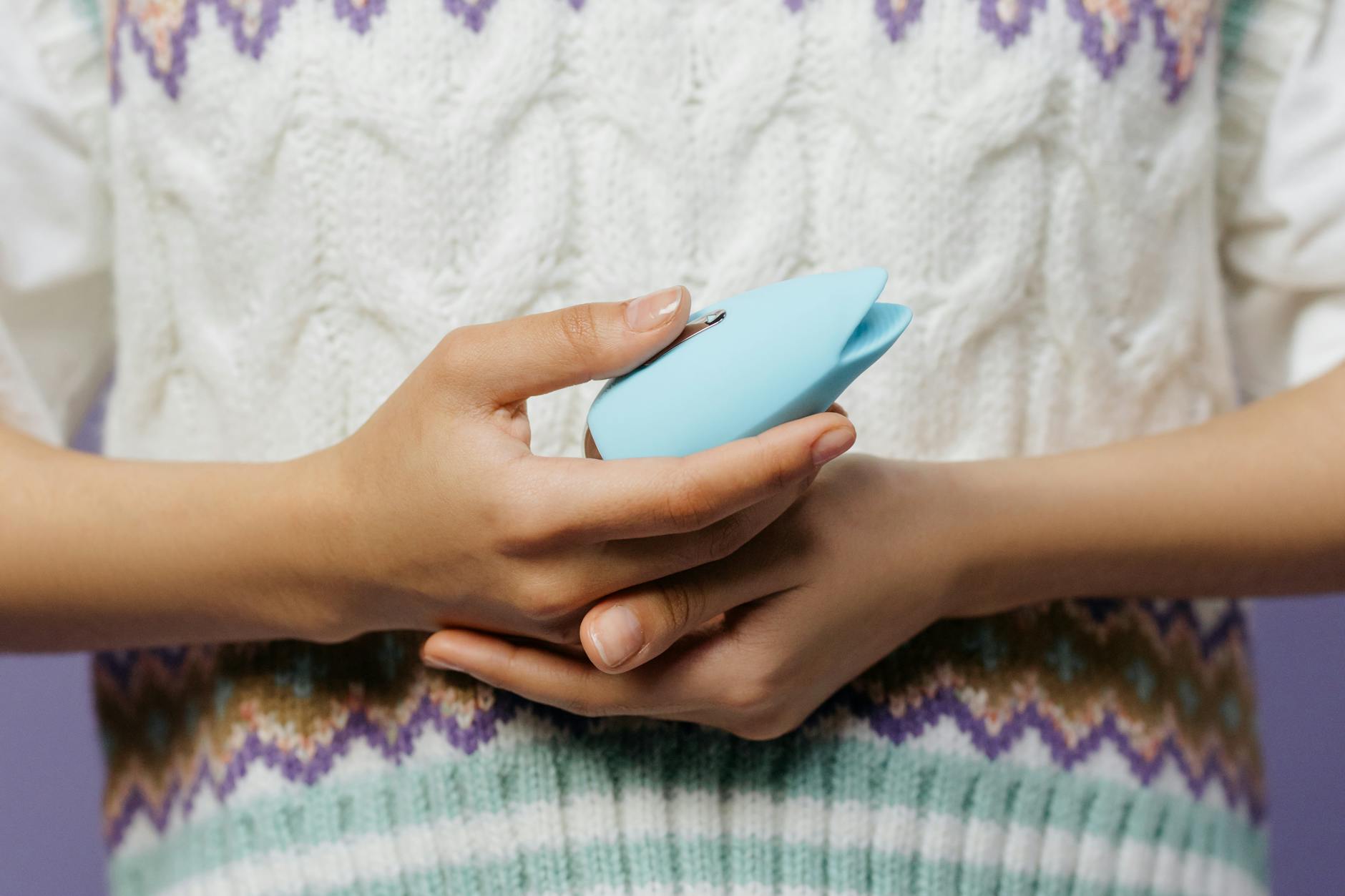
This is where a lemon clitoral vibrator becomes useful, because its mechanism is different from a traditional vibrator. Lemon vibrators use gentle suction and rhythmic pulsing rather than direct friction. That matters during recovery because friction can irritate healing tissue and trigger protective clenching. Suction-based stimulation is gentler on raw or sensitive nerves. It builds sensation gradually rather than demanding immediate response.
The other advantage is control. You can start on the lowest setting and stay there for weeks if that's what your body needs. Most people try to move to higher intensity too fast because they remember what used to feel good. But post-surgery, lower intensity often feels better because there's less overstimulation. The goal right now is to wake up sensation, not to chase orgasm. Those are different goals with different timelines.
The actual timeline for rebuilding pleasure after pelvic surgery
Weeks zero to four: You're healing. Don't do anything with vibrators. Your body needs rest, medication, and space to begin internal recovery. Pressure too early creates scar tissue and delays healing.
Weeks four to eight: Medical clearance often comes here. But this is still active healing phase for your nervous system. If you want to explore sensation, this is the time to use your lemon vibrator on the absolute lowest setting, fully clothed, just to remind your nervous system that pleasure still exists. No goal. No expectation. Just 30 seconds of gentle contact with your underwear still on.
Weeks eight to twelve: You can begin direct contact, but only if pain has genuinely subsided. Start with five minutes on setting one. Notice what you actually feel, not what you think you should feel. Numbness is common and normal. Tingling is common and normal. Weird electrical sensations are common and normal. They don't mean you're broken.
Months three to six: Sensation usually starts waking up around this point, though it's unpredictable. Some people notice changes week by week. Others have a sudden shift after six weeks of nothing. Your pelvic floor may start releasing tension as your nervous system realizes you're actually safe now. This is when you can gradually move to higher settings and longer sessions.
Months six plus: Some people are fully back by month four. Others need a full year or more. There's no normal. Your timeline belongs to you.
How to use your lemon vibrator safely while recovering
Start with the mindset that you're not trying to have an orgasm. You're trying to teach your nervous system that touch can feel good again. That's a completely different goal, and it changes how you approach it.
Set aside dedicated time, but keep it short. Fifteen minutes maximum in early recovery. Your nervous system gets tired from processing new sensation. More is not better. Consistency matters more than duration.
Use plenty of water-based lubricant. Surgical trauma reduces natural lubrication, and healing tissue is extra sensitive to friction. Apply generously. Reapply halfway through.
Start on setting one and stay there. I know that feels boring. I know it feels like you should be able to handle more. Your body is asking you not to. Listen to that.
Notice without judgment. If you feel numbness, that's information. If you feel tingling, that's information. If you feel absolutely nothing, that's also information. Write it down. Your body is healing in a pattern. The pattern means something.
Stop immediately if you feel sharp pain. Dull ache is common. Sharp pain is your nervous system saying stop. Stop. This doesn't mean you're failing recovery. It means you hit a boundary today. That boundary will move.
Have a separate practice from partnered sex. This is your solo exploration. Your partner exploring with you is different. Keep them separate for now so you know what your body alone actually needs.
What to do if sensation isn't returning as fast as you expected
Six months post-surgery and still mostly numb? That happens. It's frustrating, but it doesn't mean permanent damage. Sometimes the nervous system is protecting you for a reason you haven't identified yet. Maybe there's residual pain you're not conscious of. Maybe you're carrying tension about the surgery itself. Maybe the scar tissue needs more time to soften.
This is when talking to a pelvic floor physical therapist becomes really valuable. Not because something is wrong with you, but because they can assess what your pelvic floor is actually doing and help it release. Many people combine pelvic floor therapy with continued gentle use of a lemon vibrator. The vibrator wakes sensation. The therapy addresses the muscular component. Together, they work faster than either alone.
If you also feel emotionally stuck about your surgery, that's worth exploring too. I see this all the time: the body is physically healed, but the nervous system is still processing trauma. You survived something hard. Your body protected you. It makes sense that returning to pleasure feels complicated. That's not a medical problem. That's a normal human response to body trauma. Talking about it, with a therapist or partner, often helps.
When to involve your partner again
The temptation is to rush back to partnered sex because you feel pressure or obligation. Don't. Your partner benefits from knowing that you're taking your recovery seriously, even if it means waiting longer. A good partner would rather wait than pressure you into pain.
When you're ready to involve your partner, give them information. "I can be touched here, but not here yet." "I need lower intensity right now." "I'm still numb in this area, so I can't feel your touch there." Specific, honest communication prevents misunderstanding and resentment.
Some couples find that using a lemon vibrator together actually helps rebuild connection. It's different from what you did before surgery. It requires communication. It requires patience. That's not a downside. That's actually the point. You're building a new version of your sexual relationship, one that honors what your body has been through.
FAQ: Questions about lemon vibrators and pelvic surgery recovery
How do I know if I'm physically ready to use a vibrator after surgery?
You shouldn't have active bleeding, shouldn't be in significant pain with movement, and your surgeon should have cleared you. But medical clearance and actual readiness are different. Try this: lie down and gently place two fingers near your opening without inserting them. Does it feel tight? Does it hurt? Can you relax your pelvic floor? If you're unable to relax at all, wait another week or two. Your nervous system isn't ready yet, and a vibrator will just increase tension.
Can I use a traditional vibrator or should I specifically get a lemon clitoral vibrator?
A lemon vibrator works better for post-surgical recovery than a traditional vibrator because the suction-based mechanism is gentler on sensitive, healing tissue. But if you already own another vibrator and you're on a tight budget, you can start with what you have on the absolute lowest setting. The key is starting low and going slow, not the specific device. That said, if you're investing in something new for recovery, a lemon clitoral vibrator is a smarter choice because it gives you more control and a gentler sensation profile.
Is numbness after pelvic surgery permanent?
Almost never. Nerve irritation takes time to resolve. Most people notice significant improvement between three and six months, with continued subtle improvement for up to a year. Some people aren't fully back until 18 months post-op. It depends on how extensive the surgery was and how much nerve irritation occurred. Patience is frustrating, but it works.
Should I try to have an orgasm during recovery or just focus on sensation?
Focus on sensation. Orgasm is a goal that can create performance pressure, and pressure creates tension, and tension slows healing. Use your lemon vibrator to wake up sensation, not to force climax. Orgasms will come back when your nervous system is ready. Chasing them right now usually backfires.
What if my partner wants to resume sex but I'm not ready?
Tell them. Directly. "My body needs more time." A partner worth keeping will respect that. If you feel pressured, that's a relationship problem, not a recovery problem, and it's worth addressing. Many couples work through this with a therapist. Your needs matter. Your timeline matters. Your comfort returning to pleasure matters more than getting back on any predetermined schedule.
Can I use a lemon vibrator if I had pelvic floor surgery specifically?
Yes, but wait longer before starting. Pelvic floor surgery directly affects the muscles that sensation and orgasm depend on. You might need eight to twelve weeks before you touch anything, compared to four weeks for other pelvic surgery. Once you do start, go slower and stay on lower settings longer. Your pelvic floor needs to learn to relax again, and overstimulation interferes with that process. A pelvic floor physical therapist becomes really important with this type of surgery.
Your timeline is the right timeline
Surgery interrupted your body. Recovery is the process of rebuilding trust with it. That takes time, gentleness, and patience. A lemon vibrator can be part of that process, but only if you're using it as a tool for reconnection, not as a deadline to meet. You're not behind. There is no normal recovery speed. Your body knows how to heal. Your job is to listen to what it needs, and give it that.
If you're struggling with recovery in ways that feel bigger than just timeline, or if you want to explore how to rebuild intimacy with your partner after surgery, let's talk. Reach out to the team at Lemon Massagers, and we can point you toward resources or professionals who specialize in post-surgical recovery and pleasure.
Your body survived something. Now it gets to heal. That's the whole job right now. Everything else comes after.