Let's name what actually happened
Major life stress doesn't just make you tired or anxious. It kills desire at the root. A job loss, health crisis, family trauma, financial collapse, or relocation doesn't just stress your brain; it tells your body that survival mode is active and pleasure is a luxury you can't afford right now. Your nervous system downshifts. Libido disappears. This is not a personal failure. This is biology working exactly as designed.
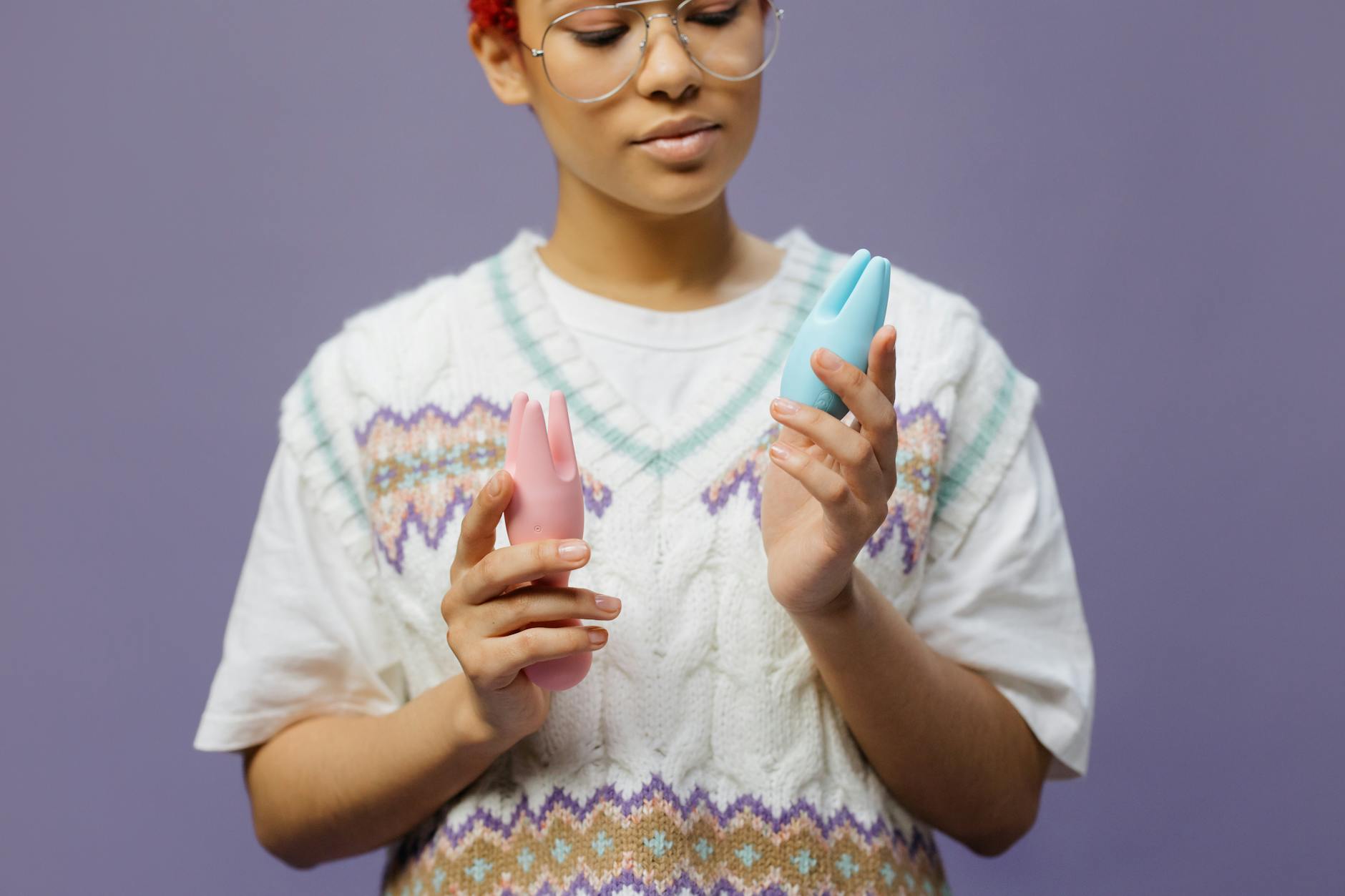
The good news is that desire comes back. Not always on its own timeline, but it does come back. And when it does, Lemon clitoral vibrators can be a genuinely useful tool for rebuilding sensitivity without adding pressure or performance anxiety to the mix.
Why stress nukes libido in the first place
When you're under sustained stress, your cortisol stays elevated and your oxytocin (the bonding and pleasure hormone) drops. Your pelvic floor tightens as part of the fight-or-flight response. Your brain's pleasure centers literally become less responsive. Add in the emotional weight of whatever happened, and sex becomes the last thing on a very long list.
Here's the part nobody tells you: some people find their desire bounces back quickly once the stressor lifts. Others rebuild it in stages, with weeks or months between "I feel nothing" and "I actually want this again." Both patterns are normal. Neither one means you're broken.
What matters right now is meeting yourself where you actually are, not where you think you should be.
The reset period (usually 2 to 8 weeks)
Directly after major stress, attempting partnered sex or even solo play often feels like one more obligation. That feeling is a signal. Your nervous system needs recovery time first.
I usually recommend a complete pause for 2 to 4 weeks minimum. No expectations around sex or masturbation. No "should" about maintaining desire. Just let your body rest.
After that reset window, you'll notice small shifts: you can hold a thought longer without anxiety interrupting. You sleep better on some nights. You maybe feel a flutter of interest in something. That's your nervous system starting to downshift from emergency mode.
That's when Lemon vibrators can help, because they let you explore sensation without the pressure of performance or reaching a specific outcome.
Starting small with vibration
When desire is rebuilding, the clitoral stimulation from a traditional vibrator often feels too intense or too demanding right away. You need something with a gentler entry point.
Lemon clitoral vibrators use suction rather than pure vibration. This means the sensation is broader and less piercing than a typical vibrator. For someone whose nervous system is still coming online, that difference is huge. Suction stimulates without requiring your body to match a rhythm or hit a target.
Start with the lowest setting. Lem vibrators have multiple intensity levels for exactly this reason. Spend 10 to 15 minutes just feeling what low-level suction feels like on your clitoris. You're not trying to orgasm. You're just reacquainting your body with the possibility of pleasure.
Don't be surprised if nothing spectacular happens the first few times. That's completely normal during recovery.
Rebuilding sensation gradually
One of the harder parts of stress recovery is that sensation doesn't bounce back evenly. One day you'll feel something. The next day it's muted again. You might feel aroused emotionally but not physically, or vice versa.
With Lemon clitoral vibrators, you can work with this inconsistency instead of fighting it. On days when sensation is flat, a lower setting or shorter session honors where you are. On days when you feel more present, you can experiment with higher intensities or longer durations.
This flexibility matters because it removes the pass-fail dynamic that often comes with sex during recovery. You're not "succeeding" or "failing" at pleasure. You're just noticing what your body is capable of on any given day.
Most people rebuilding libido after stress find that sensation gradually improves over 6 to 12 weeks of consistent, low-pressure exploration.
The role of lubrication during recovery
Stress and anxiety often create a secondary issue: decreased natural lubrication. Even if arousal is slowly returning, your body might not be producing enough wetness to make friction feel good.
Water-based lubricant becomes essential here, not because something is wrong with you, but because it removes friction-related discomfort that can send your nervous system right back into protective mode.
Apply lube generously to both your clitoris and the Lemon vibrator. Give yourself permission to reapply mid-session. This isn't a sign that something is failing. It's practical support for your nervous system's recovery.
Partnered vs. solo exploration during recovery
If you have a partner, one critical conversation needs to happen: this recovery period is about rebuilding your own connection to pleasure, not about meeting your partner's needs or expectations.
Solo exploration with a Lemon clitoral vibrator gives you space to understand what you're feeling without anyone else's presence, timing, or needs in the mix. That clarity is valuable. It often makes partnered intimacy feel less pressured when you eventually return to it.
If your partner wants to be involved in your recovery, set clear boundaries. You might say: "I'm rebuilding my comfort with my own body right now. I'll let you know when I'm ready to include you." That's not rejection. That's self-care with a timeline.
When to suspect something beyond stress recovery
Low libido after major stress is expected. But if it hasn't budged after 4 to 5 months, or if you're also experiencing depression, numbness, or intrusive thoughts related to the stressor, check in with a therapist or counselor.
Sometimes trauma doesn't just tank desire temporarily. Sometimes it creates lasting shifts in how your nervous system processes safety and pleasure. A trained professional can help distinguish between "normal recovery timeline" and "I need clinical support."
Similarly, if you're on a new medication (antidepressants, anti-anxiety meds, blood pressure meds) as part of recovery, talk to your prescriber about how it might affect desire. Many medications do. Many also have alternatives or dosage adjustments that can help.
The permission you actually need
Here's what I tell clients rebuilding libido after stress: your body survived something hard. It downshifted to protect you. That was the right call. Now it's slowly coming back online.
Lemon clitoral vibrators aren't a magic fix. But they are a tool that lets you explore sensation at your own pace, without pressure, without performance, without someone else's timeline mixed in.
You don't owe anyone desire on a schedule. You don't owe yourself orgasms. You owe yourself patience and the space to rebuild pleasure as your nervous system heals.
Start low. Go slow. Notice what feels good on any given day. That's recovery.
People also ask
How long does it typically take to rebuild libido after major life stress?
Recovery varies widely depending on the type of stress and your baseline resilience. Direct stress (job loss, divorce, health crisis) often requires 3 to 6 months for noticeable improvement. Sustained stress (ongoing financial strain, caregiving burden) might stretch that timeline to 8 to 12 months. The nervous system doesn't have a fixed schedule. What matters is that you're noticing small shifts in desire, energy, and presence rather than waiting for a sudden return. Many people describe the recovery as gradual rather than dramatic.
Can using a Lemon clitoral vibrator make things worse during recovery?
No, as long as you're using it without pressure or expectation. The risk isn't the vibrator itself. The risk is treating it as a performance test ("If I can't orgasm, I'm not recovering fast enough") or using it out of obligation rather than genuine interest. If using a Lemon vibrator feels like another chore, pause and return to it later. Your pleasure should feel like permission, not pressure.
Should I tell my partner I'm using a vibrator during my recovery?
That depends entirely on your relationship agreements and comfort level. Some couples discuss all solo play. Others maintain privacy around that. There's no universal right answer. What matters is honesty with yourself about what you need and clarity with your partner about boundaries. If you're keeping it secret because you're ashamed, that's worth exploring separately. If you're keeping it private because it's personal space you need, that's reasonable.
What if I still feel nothing even with a Lemon vibrator after two months?
Take that as feedback that you might need more time or additional support. Talk to a therapist, particularly one trained in trauma or somatic therapy. Numbness that persists beyond the initial recovery window sometimes signals depression or trauma responses that benefit from clinical intervention. A therapist can help you understand whether your nervous system needs more time, different support, or both.
Is it normal to feel aroused but unable to orgasm during recovery?
Completely normal. Arousal and orgasm are separate pathways in the nervous system. Stress can affect them independently. You might feel interested and present but find that your body won't cross the finish line. That's not failure. It's information. You're rebuilding. The orgasm might come later. Right now, the goal is sensation and presence, not outcome.
How do I know when I'm ready to introduce partnered sex again?
You're ready when solo exploration feels consistently good and you genuinely want to share that with someone. Not when you think you should be ready, not when your partner is impatient, not when it's been a "long enough" time. Genuine readiness feels like interest, not obligation. If you're still uncertain, a relationship counselor can help you navigate the conversation with your partner and build a timeline that feels right for both of you.
Moving forward
Recovery from major life stress is not linear. Some days you'll feel your desire returning. Other days it will feel distant again. That fluctuation is normal. What matters is that you're exploring pleasure on your own terms, at your own pace, without the weight of expectation.
Lemon clitoral vibrators can be part of that exploration because they give you control, flexibility, and a tool that doesn't demand anything from you except your own curiosity.
If you're ready to explore more about what works for your body specifically, reach out to us at /contact. We're here to help.