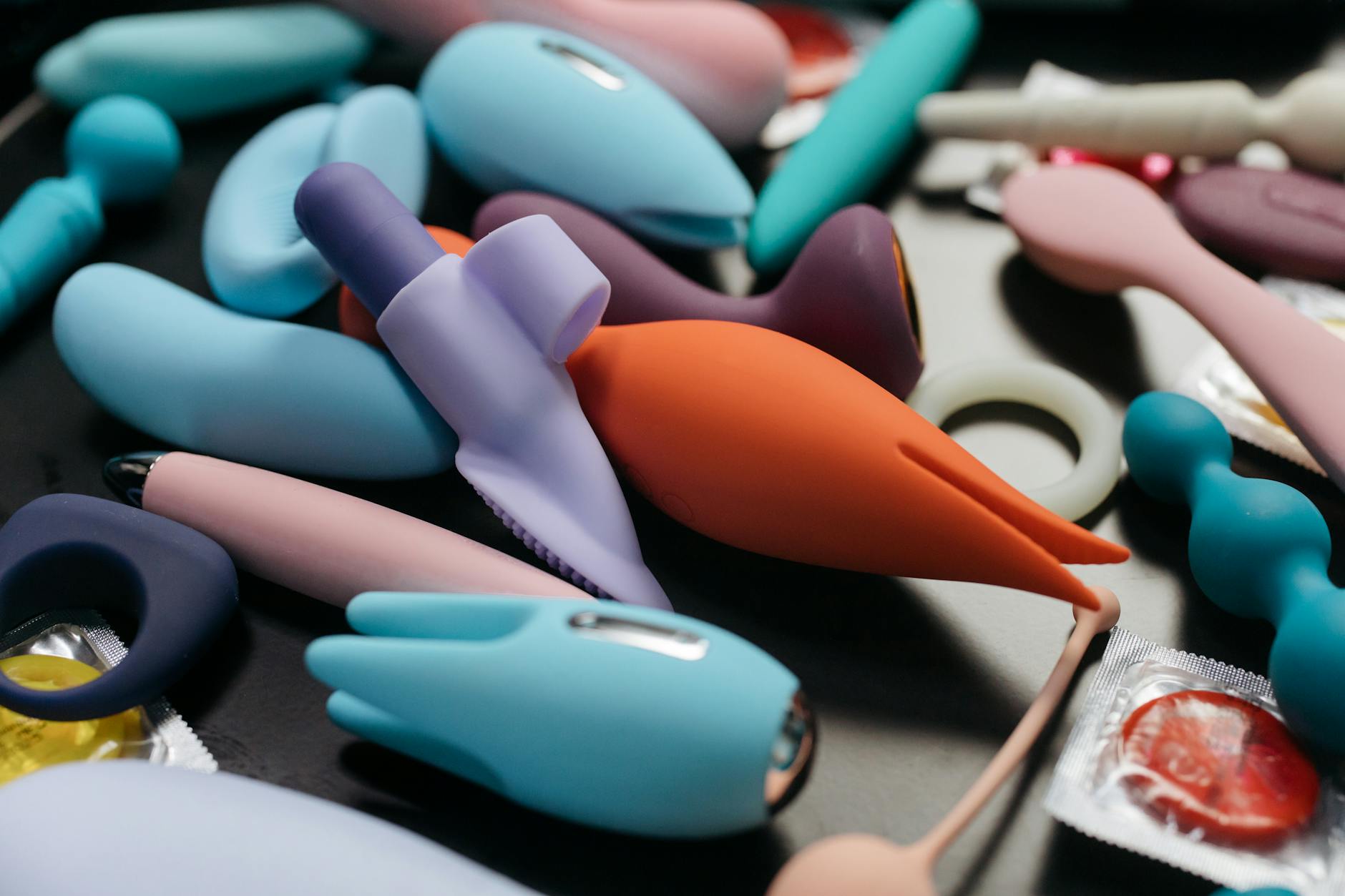
Here's what nobody tells you about early menopause and pleasure
Early menopause doesn't announce itself with a single dramatic shift. It creeps in as something weirder. One week your body responds the way it always has. The next week, the same vibration pattern that made you come easily feels like almost nothing. Then three days later, it's back to normal. Then it's almost too intense. Then it's nowhere again.
This isn't dysfunction. This is your hormones in the middle of a five-to-ten-year negotiation.
The thing about early menopause is that it's not menopause yet. Your estrogen and testosterone aren't gone. They're erratic. They spike and plummet in ways that are more volatile than even your regular cycle was. And because sensation, lubrication, and arousal are all tied directly to hormone levels, your pleasure becomes this moving target that you can't quite predict or control.
Why sensation becomes so inconsistent during this phase
Your hormones regulate blood flow to your genitals. When estrogen and testosterone are stable (whether that's your pre-menopause baseline or the steady state after you're fully post-menopausal), blood flow is predictable. You stimulate. Your tissues swell. Sensation builds. You come. The sequence is reliable.
Early menopause breaks that chain. On days when your estrogen dips, blood flow decreases. Tissue thinning begins, even if it's not dramatic yet. The nerves that register sensation are still there and fully functional, but they're getting different signals from the tissues around them. Stimulation that felt perfect yesterday can feel muted today.
Then your hormones spike. Everything swells again. Now that same vibration pattern feels too intense, almost uncomfortable. Your body hasn't lost sensitivity. It's experiencing wildly different amounts of sensation depending on where you are in a cycle that's no longer actually a cycle.
Adding to this: stress makes it worse. Early menopause often arrives alongside other midlife pressures. Aging parents. Adult children moving out or moving back. Career shifts. Relationship recalibrations. The cortisol from all that dampens arousal and blood flow further, making unpredictable sensation even harder to navigate.
How to adjust your approach to lemon vibrators and clitoral stimulation
Start by accepting that consistency is gone for now. This matters because many people in early menopause keep expecting their body to work the way it did last month and blame themselves when it doesn't. You're not failing. The rules genuinely changed. Accept that and you stop fighting your own physiology.
Build in longer warm-up time, always. Even on days when sensation feels good, give yourself 15 to 20 minutes before you pick up any vibrator. This isn't because you're broken. It's because blood flow takes longer to establish when hormones are erratic. Foreplay, mental focus, breathing, or solo exploration first. Then the toy. This simple shift changes everything.
Use lower intensity settings more often. Lemon clitoral vibrators like the Lem have multiple patterns and intensity levels. Most people default to higher settings because they work for consistent sensation. During early menopause, start at pattern 1 or 2 every single time. You're not starting low because you've lost sensitivity. You're starting low because you don't know where today's sensation threshold is. Build from there. Some days you'll stay low and have a great experience. Other days you'll dial up to 4 or 5 and feel exactly right. The option to adjust means you're meeting your body where it actually is.
Keep water-based lubricant within arm's reach. Not because you definitely need it every time, but because you might, and having it available means you're not stopping mid-session to hunt for it. Even when lubrication feels fine, a small amount helps reduce friction and lets the vibrations travel more efficiently through tissue. This becomes especially valuable on days when sensation is muted.
Track what works. I don't mean obsessively logging data. I mean: notice patterns. Did morning sessions feel different than evening ones? Did using the Lem after you exercised feel better? Did stress that day make a difference? Most people find that certain times of day, certain times in their cycle, or certain activities beforehand shift what sensation feels like. That information is gold during early menopause.
The emotional side of inconsistent sensation
Let's be real. Unpredictable pleasure is frustrating. You might build expectation based on a good experience last week, then feel disappointed when your body doesn't deliver the same way. Or you might approach pleasure with anxiety now because you're not sure what you'll get, and that anxiety itself tanks arousal further.
This is where the work gets internal. Letting go of the expectation that your body will perform consistently frees up mental space to notice what's actually happening today. Some sessions will be slower. Some will feel different but still good. Some will be quick and intense. None of those outcomes are failures. They're data.
Many people also find that involving a partner in this adjustment helps. Not as a therapist or a problem-solver, but as someone who understands that early menopause is a transition, not a crisis. A conversation like "My body's responding differently right now and I'm figuring it out, which might mean we need to change how we approach this together" opens a door that shame closes tight.
When to check in with a doctor
If inconsistency becomes pain, see a gynecologist trained in menopause care. There's a difference between unpredictable sensation and sensation that includes ache, burning, or soreness. The latter isn't normal even in early menopause and often responds quickly to topical treatment.
If you haven't had a period in a year and sensation is still unpredictable, you're past early menopause into established post-menopause. That's a different conversation with different adjustments.
If sensation is disappearing entirely and desire with it, that's worth discussing with your doctor too. It might be hormonal, but it might also be depression, relationship stress, or medication side effects. A good doctor will help you figure out which.
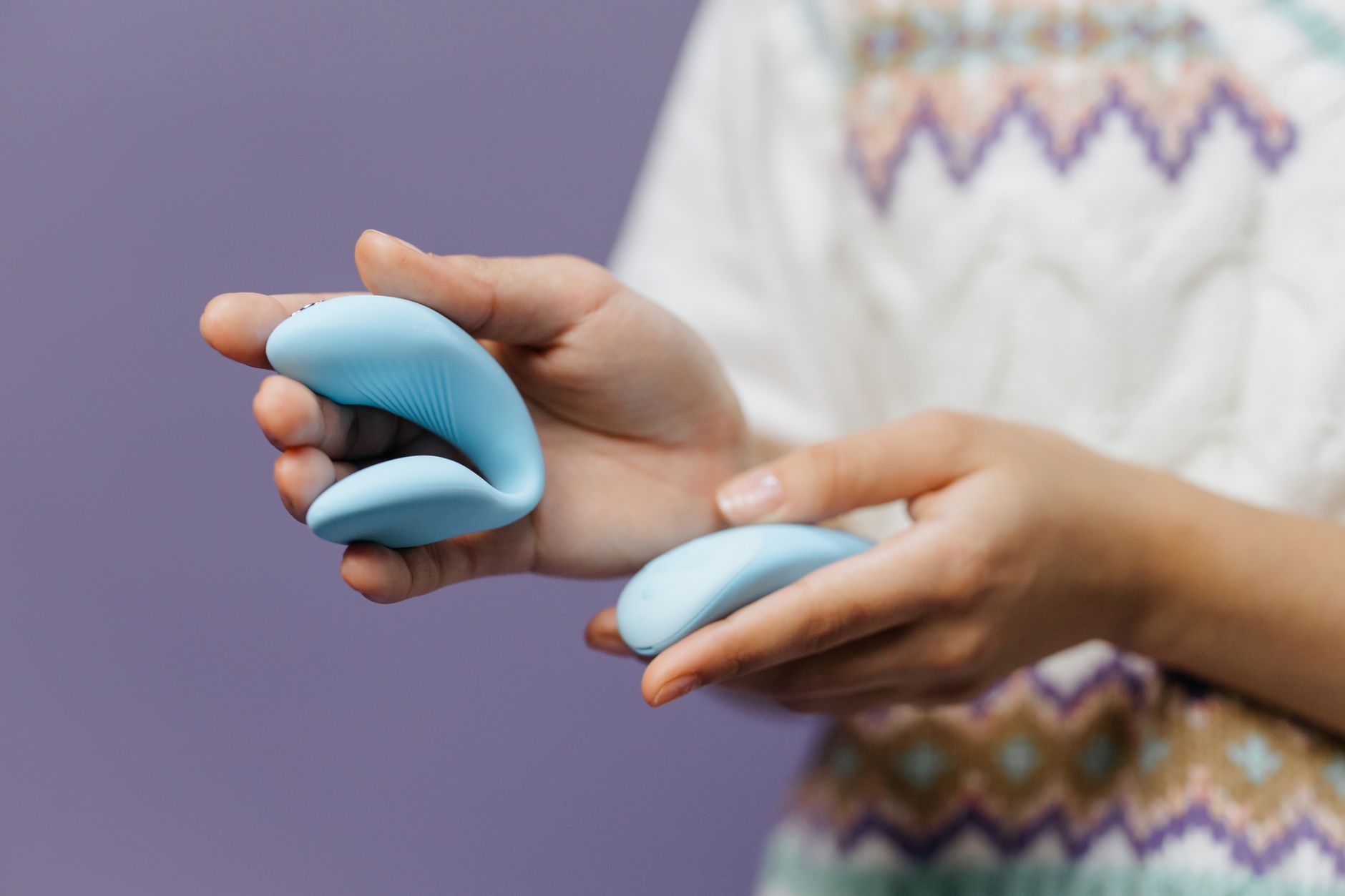
Photo by cottonbro studio on Pexels
The practical toolkit for navigating pleasure during hormonal flux
Here's what I recommend to people in early menopause who want to keep pleasure in their life while their body is still finding its new baseline.
First: identify your own timeline. How often are you willing to approach pleasure when you can't predict the outcome? Some people want to try every few days. Others prefer once a week or less frequently until the unpredictability settles. There's no right answer. The answer is what keeps pleasure something you want rather than something you're doing out of obligation.
Second: separate pleasure from orgasm as the goal. I know this sounds like therapy-speak, but it matters. If your goal is coming, three sessions out of ten will feel like failures because sensation might not get you there. If your goal is twenty minutes of focused attention on what feels good today, you're successful eight times out of ten. That's a completely different emotional experience.
Third: consider which <a href="/blog/how-lemon-vibrators-compare-to-suction-toys-for-different-sensitivity-levels">lemon vibrators versus other toy types</a> might work best for you right now. Suction-based toys like Hello Nancy's Lem work differently than vibration. They use air-pulse technology that some people find more consistent during hormonal shifts because suction engages nerves differently than direct vibration. This isn't a universal rule. Some people find suction equally unpredictable. But it's worth trying if your current approach is feeling off.
Fourth: create a ritual that tells your body to prepare. This might be music, a specific time of day, moving to a particular room, or even just five minutes of breathing. Your body learns. When you establish a pattern, arousal begins to build in anticipation. This is especially valuable during early menopause when you're fighting against erratic blood flow. Ritual creates a cue that helps your body respond more predictably.
What actually helps most people make this transition
The single biggest shift happens when someone stops treating early menopause like a problem to fix and starts treating it like a season to navigate. Your pleasure doesn't end in early menopause. It evolves. Right now it's frustratingly unpredictable. That's temporary. In another year or two or five, depending on where you are in the transition, your body will find a new baseline. Some people find they have better, more consistent pleasure on the other side. Others find it different but equally good. What matters now is staying engaged with your own pleasure during the messy middle part.
People also ask
Can early menopause actually change how clitoral vibrators feel?
Yes. Estrogen and testosterone directly affect blood flow, tissue thickness, and nerve sensitivity. Early menopause means those hormone levels are changing unpredictably. The Lem or any lemon clitoral vibrator will feel different at different points in your hormonal cycle right now. This isn't about the toy. It's about what your body can register at any given moment.
Should I switch from my regular vibrator to a lemon sucker toy?
Maybe. Some people find that <a href="/blog/why-lemon-vibrators-feel-better-with-plenty-of-lubricant">suction toys work better with lubricant and feel more consistent</a> during hormonal flux. Others find suction equally unpredictable. The best way to find out is to try one if you have access. If switching feels like an investment, stick with adjusting your current approach first: lower intensity, longer warm-up, track what works.
How long will sensation stay this unpredictable?
Early menopause usually lasts four to ten years. That sounds impossibly long, but sensation tends to stabilize within the first two to three years for most people. Your body will find a new normal. Until then, you're in the messy middle where adaptation beats control.
Is it normal to lose desire during early menopause even if sensation still works sometimes?
Yes. Testosterone drops in early menopause, and testosterone is a major driver of desire in everyone. You might notice that pleasure is technically possible but desire is harder to find. This is also temporary and often responds well to conversations with a partner about what desire actually looks like for you right now, or to professional support if it's affecting your wellbeing significantly.
Can anxiety about unpredictable sensation make it worse?
Absolutely. Anxiety triggers cortisol, which dampens arousal and blood flow. You end up in a loop where unpredictable sensation creates worry, and worry makes sensation more unpredictable. Breaking that loop means some combination of acceptance (your body isn't broken), communication (telling a partner or therapist what's happening), and sometimes professional support for anxiety itself.
Should I try hormonal therapy for this?
That's a conversation for your doctor. Hormone therapy can help stabilize sensation during early menopause, but it's not right for everyone and it's not necessary. Many people navigate unpredictability beautifully without it. The question is what helps you stay engaged with your own pleasure while your body is transitioning.
The bottom line
Early menopause makes sensation unpredictable. Your lemon vibrators haven't stopped working. Your body hasn't lost its capacity for pleasure. What's changed is reliability. Accept that, adjust your approach, and you'll find that pleasure is absolutely still available. It might just look a little different than it used to.
If you're struggling with this transition, you don't have to figure it out alone. Reach out to your healthcare provider or a therapist if you need support navigating both the physical and emotional sides of early menopause. Your pleasure matters, and you deserve information and resources that help you stay connected to it.