The honest part nobody tells you
When you quit hormonal birth control, your body doesn't just reset to a neutral baseline. It recalibrates. Hormones that have been artificially suppressed for years suddenly have permission to fluctuate again. This changes everything about how pleasure works, how your skin feels, how fast you get aroused, and what intensity you actually want.
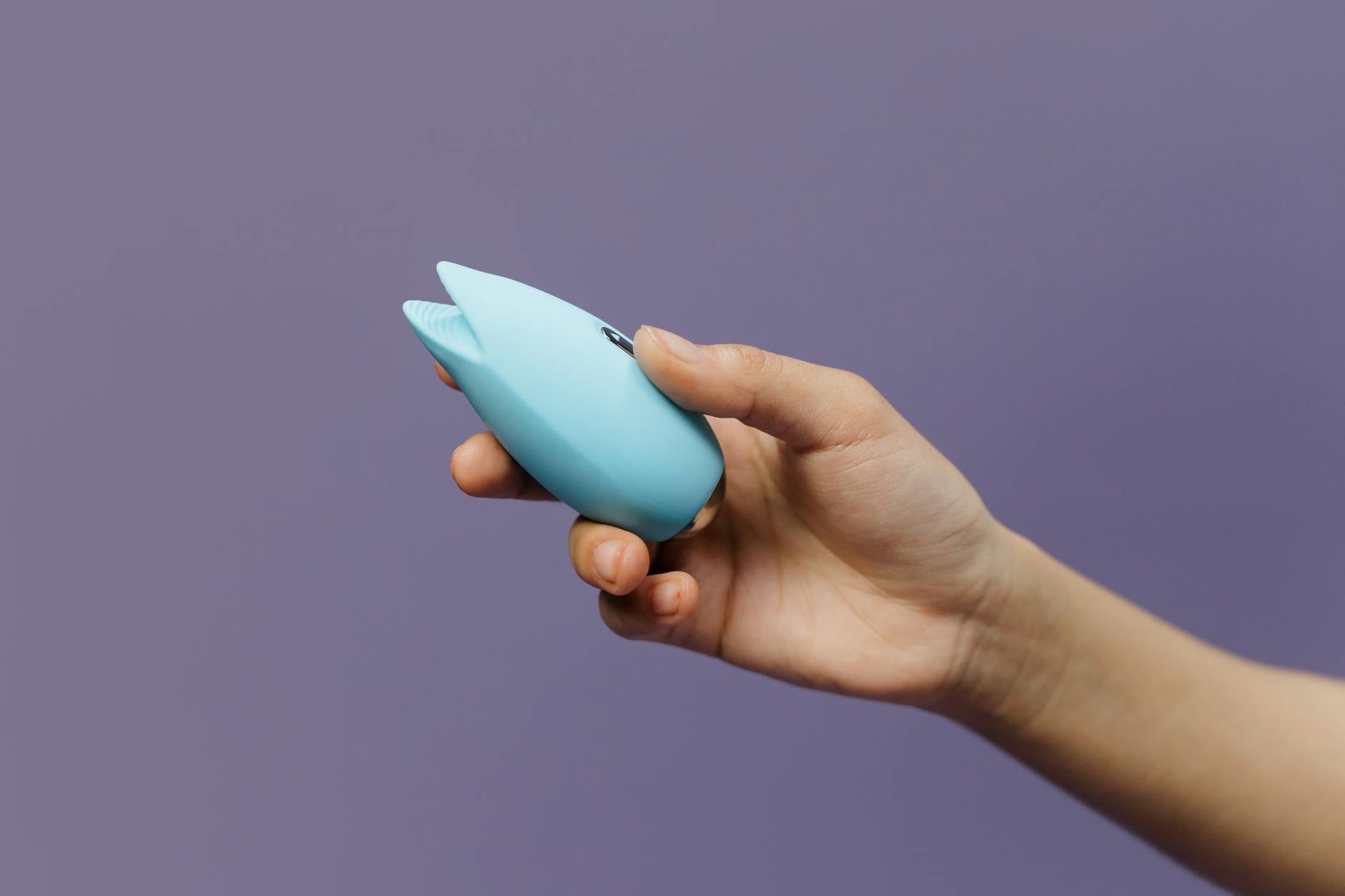
If you're used to your Lemon clitoral vibrator feeling a certain way, that sensation is about to shift. That's not a problem. But it does matter that you understand what's happening so you don't blame yourself or your toy when the experience changes.
What actually changes when you stop the pill
Hormonal birth control flattens your natural hormone cycle. Estrogen and progesterone stay constant (or close to it). The moment you stop, these hormones start their natural monthly rise and fall again. This creates a domino effect.
Your vaginal tissue thickness fluctuates now. During the follicular phase (the first half of your cycle), when estrogen is climbing, tissue gets plumper and more blood flows to the area. Sensation becomes sharper, more responsive. During the luteal phase, after ovulation, progesterone rises and estrogen drops. Tissue becomes less engorged. The same vibration that felt perfectly intense last week might feel too much or not quite enough this week.
The clitoral glans is packed with nerve endings, and blood flow directly affects how much sensation you feel. More blood flow equals higher sensitivity. Less blood flow doesn't mean numbness, but it does mean you might need a different pattern or intensity from your Lemon vibrator to hit the same spot.
Then there's libido. Hormonal birth control suppresses testosterone (yes, people with ovaries produce it in small amounts). Coming off the pill often means a noticeable uptick in sexual desire. For some people this is liberating. For others it arrives alongside anxiety, mood shifts, or relationship friction. The desire is real. How you channel it depends on a lot more than just your vibrator.
Why sensation feels unpredictable at first
If you were on the pill for years, your brain and body forgot how to navigate a cycling hormone pattern. You have to relearn what your own body feels like at different times of the month. This takes three to four cycles, sometimes longer.
Day 8 of your new cycle might feel completely different from day 22. You might discover that the intensity setting you loved last week now feels too aggressive. Or that a pattern you never cared for suddenly becomes your favorite. This isn't random. It's your nervous system responding to real hormonal shifts.
The frustrating part is that you can't predict it precisely. Every body cycles differently. Some people notice wild shifts in sensation. Others feel a subtle difference. Some barely notice anything. Comparing your experience to someone else's is a dead end.
What matters is developing a rhythm of noticing. Track your cycle (even just on your phone calendar) and pay attention to how your body responds at different points. After two or three months, patterns start to emerge.
How to adjust your Lemon vibrator use
You don't need to buy a new toy. But you do need to experiment with your existing one differently.
Start by paying attention to patterns, not intensity. If you always use pattern 4 on your Lemon clitoral vibrator, try dropping to pattern 2 or 3 during the luteal phase. The goal isn't to find one "right" setting. It's to give your body options. Your Lemon vibrator has multiple patterns for exactly this reason. Use them.
Warmup time matters more now too. When you were on the pill, your baseline arousal might have been flatter, but it was predictable. Off the pill, arousal builds and fades with your hormones. Sometimes 5 minutes of foreplay is enough. Sometimes you need 20. Pay attention to how long it actually takes to feel ready, rather than rushing to the intensity you think you should want.
Lubricant becomes more important in some phases of your cycle. Off the pill, some people notice dryness during the luteal phase that wasn't there before. This doesn't mean anything is wrong. It means your body is responding exactly as it should to changing hormone levels. A good water-based lubricant is your friend here. It doesn't fix anything. It just makes sensation clearer and more comfortable.
If you find yourself wanting a completely different sensation at different times, that's normal. Some people keep two or three toys on rotation for exactly this reason. A clitoral vibrator like the Lemon works beautifully for high-sensitivity days. On lower-sensitivity days, you might want something with more sustained pressure or a different pattern. That's not a failure of your Lemon. It's just your body asking for variety.
The emotional shift you might not expect
Here's what surprises people: coming off the pill often brings up feelings that have been quietly suppressed for years. The hormonal stability of birth control isn't just physical. It's emotional. Steady hormones can mean steady moods, but they can also mean muted moods. When they start fluctuating again, you might feel more intensely. Pleasure can feel sharper. Anxiety can feel sharper too. Desire and ambivalence might show up at the same time.
If you're in a relationship, this shift is worth discussing openly. Your partner might notice that you want sex more often, or less often, or at different times. Neither of you caused this. It's biology. But couples who pretend the pill never affected their sexuality often struggle when it actually does. The honesty is more important than finding the perfect solution immediately.
If you're solo, give yourself permission to explore without judgment. The Lemon vibrator isn't a test you're passing or failing. It's a tool for understanding your own pleasure at this new phase. Some days you'll want it. Some days you won't. Both are fine.
When something feels wrong (and when it's just different)
Different is normal. If sensation changes, if intensity preferences shift, if you want more foreplay or less, that's your body adjusting. Let it.
Wrong looks like pain. If you feel sharp pain during use or afterward, stop and check in. Sometimes this means you need more lubrication. Sometimes it means your body needs more time before penetration or intensive stimulation. Sometimes it means talking to a gynecologist, especially if the pain is new.
Wrong also looks like complete numbness that doesn't improve after a few cycles. If you're three months post-pill and sensation hasn't returned, that's worth investigating. It could be a different medication, stress, or something hormonal that needs clinical attention.
But the in-between? The weird week where intensity 4 feels too much? The days where arousal takes longer? That's just your body recalibrating. It passes.
FAQ: Lemon vibrators and hormone shifts
How long does it take for sensation to stabilize after quitting birth control?
Most people see a new normal within three to four cycles. That said, it can take six months to a year for your body to fully regulate off synthetic hormones. Be patient with yourself. Tracking your experience over two or three months helps you see patterns that aren't obvious in the moment.
Can I use my Lemon vibrator during the pill withdrawal bleeding?
Yes, absolutely. Some people find that gentle clitoral stimulation helps with cramps during this time. If you choose to, use lower intensity and plenty of lubrication. Some people prefer solo play here. Others like partnered exploration. Listen to what your body actually wants, not what you think you should want.
Will my Lemon clitoral vibrator feel better or worse after I stop hormonal birth control?
Neither. It will feel different, and whether you experience that as better or worse depends entirely on your individual chemistry and what you're comparing it to. Some people love the increased sensitivity of the follicular phase. Some prefer the more subdued feeling of the luteal phase. Most love both, just in different ways.
Does stopping birth control affect how wet I get?
Yes, it can. Lubrication fluctuates with your cycle now. During the follicular phase, you'll likely be more lubricated naturally. During the luteal phase, dryness is common. This is completely normal and doesn't affect your ability to orgasm with your Lemon vibrator. It just means you might use water-based lube more often.
Should I tell my partner that my pleasure preferences changed?
Do it. The shift is real and visible to them whether or not you name it. Partners who know you're off the pill and understand that sensation might feel different can adjust with you. Partners who don't know might interpret the change as loss of interest. A five-minute conversation prevents weeks of confusion.
What if I want different sensations at different times of my cycle?
That's fine. Some people rotate between toys. Some people use different patterns or intensities on their Lemon vibrator throughout the month. Some people discover they like partnered sex at certain phases and solo play at others. Variety is smart, not indecisive.
The bottom line
Your body off hormonal birth control isn't broken. It's awake. Your Lemon vibrator will still work beautifully. How you use it might need to evolve. That evolution is worth paying attention to, because it teaches you something new about what you actually want versus what you thought you should want. That knowledge is gold, especially if you're rebuilding intimacy in a relationship or discovering your pleasure solo.
Give yourself three months. Track your cycle loosely. Experiment with your Lemon clitoral vibrator at different times. Notice what changes. Most of what you're feeling is your nervous system coming back online. That's not a problem. That's a beginning.
If you want to explore deeper on how your body responds to different types of stimulation during this transition, a practical guide to understanding your pleasure cycle walks through other factors that influence sensation. And if you're navigating this change with a partner, talking through how sensations feel different when relationship dynamics shift can help both of you stay connected.
You know your body better than anyone. Trust what it's telling you right now.