Here's what nobody tells you about pelvic floor tension
You can have the best lemon vibrator in the world, but if your pelvic floor is clenched, you're basically trying to enjoy a massage while gripping the massage therapist's arm. Your body is literally fighting against the sensation it wants to feel.
The pelvic floor is not a muscle you think about. It's the hammock of muscles that stretches from your pubic bone to your tailbone, supporting your bladder, uterus, and bowel. When those muscles tense up, pleasure gets blocked. Period.
What pelvic floor tension actually does to sensation
Tension in the pelvic floor creates a physical barrier between the lemon vibrator's suction and the nerve endings that need to feel it. When the muscles are tight, blood flow decreases. Arousal requires increased blood flow. Tension plus reduced blood flow equals muted sensation, even with a device designed to amplify it.
This is not a sensation problem. It's not your body's fault. It's a mechanics problem. Your pelvic floor muscles are overactive, and overactive muscles can't relax enough to receive pleasure effectively.
I see this constantly with people who experience anxiety, past trauma, or even just chronic stress. Your nervous system learns to hold tension in the pelvic floor as a protective mechanism, and then your body forgets how to let it go. The lemon clitoral vibrator still works technically, but it feels like you're experiencing it through a layer of cotton. Dull. Distant. Not what you paid for.
Why pelvic floor tension happens
Three major drivers:
Anxiety and stress. Your nervous system treats pelvic floor muscles the same way it treats your shoulders when you're stressed. Tension creeps in without permission. Chronic worry, work pressure, or relationship friction all tighten the pelvic floor involuntarily.
Trauma or painful sexual history. If sex has ever hurt, your body learns to brace itself. The pelvic floor tightens preemptively as protection. Even years later, the muscles remember and stay guarded.
Overthinking during sex. Performance anxiety, body image worry, or mentally running through your to-do list all trigger pelvic floor tension. Your brain sends the signal to clench, and the muscles lock up.
How to tell if your pelvic floor is actually tense
Pay attention during solo time. When you use your lemon vibrator, do you feel like sensation is muffled? Does orgasm feel hard to reach even though arousal builds normally? Do you find yourself holding your breath? Does the pleasure feel concentrated in a tight band across your lower belly instead of radiating?
That's tension speaking.
You might also notice that your orgasms, when they come, feel shorter or more shallow than they used to. That's the pelvic floor staying partially clenched even at climax. You're getting pleasure on a dimmer switch instead of full brightness.
The reset protocol before using your lemon vibrator
I recommend doing this 10-15 minutes before you plan to use any clitoral vibrator, especially a device like the lem that works through suction. The protocol takes about five minutes and retrains your pelvic floor to relax on command.
Step one: breathwork. Lie on your back with knees bent and feet flat on the floor, hip-width apart. Breathe in slowly through your nose for a count of four, hold for four, then exhale through your mouth for six seconds. That longer exhale is key. It signals your nervous system to downshift. Do this for two minutes.
Step two: the pelvic floor awareness scan. While continuing slow breathing, place one hand on your lower belly. Notice if you're clenching. Don't judge it. Just notice. On your next exhale, imagine your pelvic floor releasing downward, like an elevator descending from the third floor to the ground floor. Hold that release for three seconds, then relax.
Step three: alternating tension and release. Still on your back. Tighten your pelvic floor muscles (like you're stopping the flow of urine midstream) for three seconds. Then completely release for five seconds. The contrast teaches your body what full release actually feels like. Repeat eight times.
Step four: extended relaxation. Spend the final two minutes in stillness, breathing slowly, imagining your pelvic floor as soft, open, and heavy. Let it sink into the floor beneath you. This is the state you want when you reach for your lemon vibrator.
Why lemon vibrators work better with a relaxed pelvic floor
The suction mechanism in devices like the lem creates a gentle pressure differential that draws the clitoral tissue into a chamber. When your pelvic floor is relaxed, that suction can reach deeper into the tissue and stimulate more nerve endings. You feel more, with less power needed.
This is why I often recommend lemon sexual toys to people with pelvic floor tension. The suction-based design works with relaxation, not against it. Traditional vibration requires you to meet the sensation partway. Suction can almost pull relaxation into being if your pelvic floor cooperates.
When you combine a relaxed pelvic floor with the lemon clitoral vibrator, pleasure intensifies. Orgasms come faster. They feel deeper. You're not fighting your own body anymore.
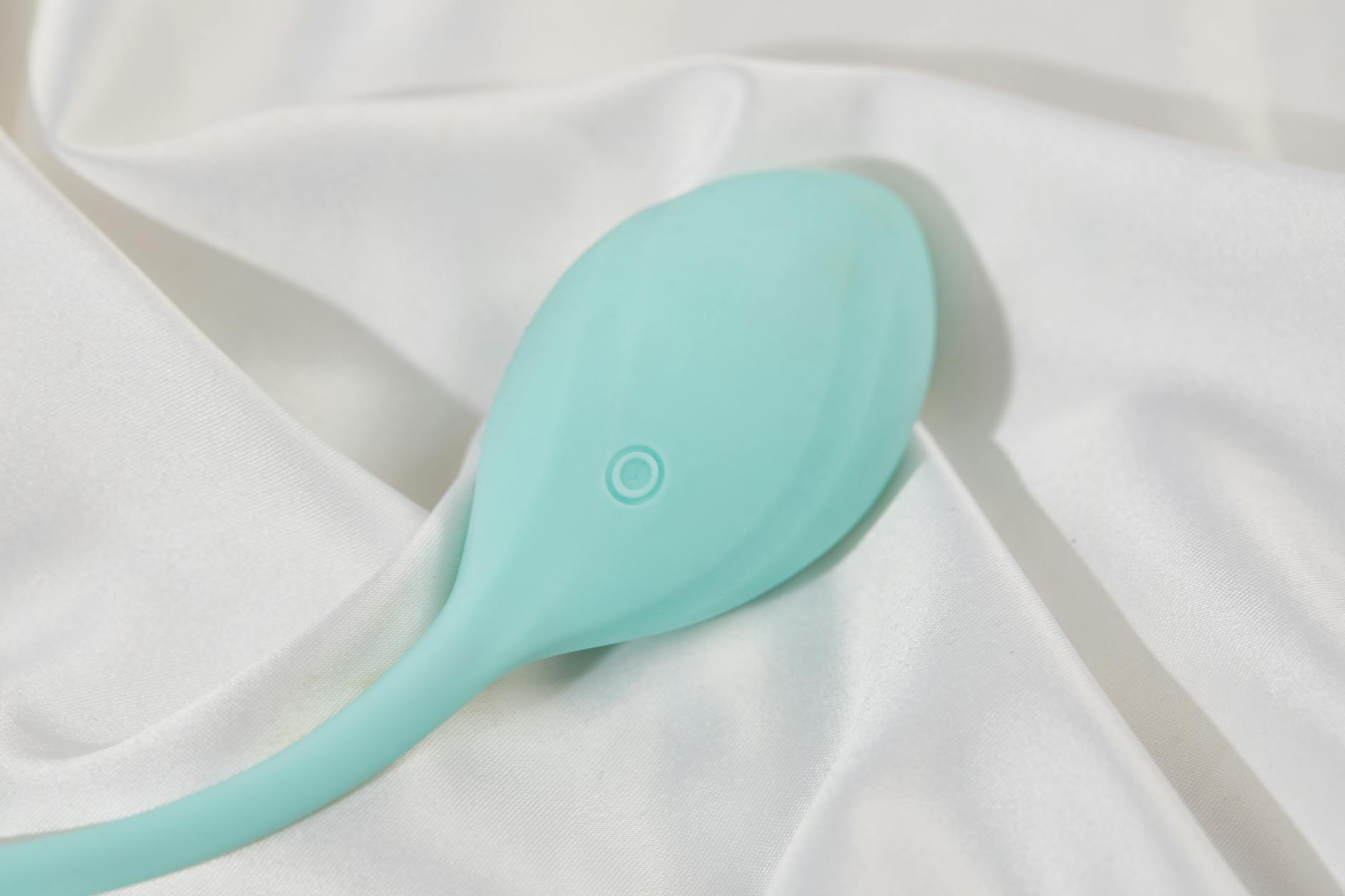
Photo by IFONNX Toys on Pexels
Building the habit of pelvic floor release during sex
The reset protocol is helpful before solo time, but the real work is learning to stay relaxed during pleasure. This takes practice, but it becomes automatic.
Start with this check-in: five seconds into using your lemon vibrator, pause and scan your pelvic floor. Is it tight? If yes, take two deep exhales and consciously soften it. You'll feel the sensation shift immediately. It's remarkable how much sharper pleasure becomes the instant you release that tension.
Over time, your nervous system learns that relaxation during sex is safe. The pelvic floor stops bracing. You stop white-knuckling pleasure. This is especially helpful if you're introducing a lemon clitoral vibrator early in a new relationship, because new-relationship nerves often trigger tension automatically.
The role of lubricant in pelvic floor relaxation
Water-based lubricant does more than reduce friction. It signals to your nervous system that the situation is safe and supported. The smooth glide relaxes your body's protective instinct.
When you're using a lemon vibrator with plenty of lubricant, your brain registers comfort, which allows your pelvic floor to release. This is a real neurological feedback loop. Dryness triggers tension. Slickness triggers release. Always use it, especially if you're working on relaxation.
When pelvic floor tension doesn't resolve on its own
If you've been practicing the reset protocol for two weeks and your pelvic floor still feels locked, see a pelvic floor physical therapist. This is not weakness or failure. It's recognizing that your muscles need professional hands-on care.
A pelvic floor PT can teach you release techniques that are specific to your anatomy and your tension patterns. They can also rule out vaginismus or other conditions that mimic simple tension. This is a medical specialty, and it transforms everything.
Many insurance plans cover pelvic floor PT if referred by a doctor. It's worth asking your GP for a referral.
How to know the release is working
After a few days of the reset protocol, you'll notice that using your lemon vibrator feels fundamentally different. Sensation intensifies. Orgasm becomes more accessible. You feel less like you're working toward pleasure and more like pleasure is meeting you halfway.
That's the signal that your pelvic floor has learned to relax. Keep the protocol as part of your regular practice, and that opening will deepen over time. Your body will remember that release is possible. The lemon clitoral vibrator will do what it was designed to do. Pleasure will stop being something you chase and start being something you can actually receive.
FAQ
What does a relaxed pelvic floor actually feel like?
A truly relaxed pelvic floor feels heavy, open, and almost absent from your awareness. You're not gripping anything. There's no sensation of holding tension. If you're used to chronic tension, the first time you truly release it feels surprising. It's like putting down a bag of groceries you didn't know you were carrying. That's the feeling to aim for before using your lemon vibrator.
Can pelvic floor tension cause pain during sex?
Yes. Tension doesn't just mute sensation. It can create pain, especially if the tension is severe or if there's underlying vaginismus. If you experience pain when using any vibrator or during penetration, and the pain persists after you've practiced relaxation, seek evaluation from a pelvic floor PT or gynecologist. Pain is a sign that something needs professional assessment.
How long does it take to retrain my pelvic floor?
Three to four weeks of consistent practice usually shows noticeable results. Some people feel a difference in days. Others take longer, especially if the tension is tied to trauma or chronic anxiety. The point is consistency, not speed. One week of daily reset protocols beats sporadic attempts. Treat it like brushing your teeth, not like a sprint.
Will kegel exercises help with pelvic floor tension?
Not if you already have tension. Kegels strengthen the muscles by making them contract. If your pelvic floor is already too tight, kegels will worsen the situation. Do the opposite. Focus on relaxation and release, not strengthening. Once your pelvic floor has learned to relax, then gentle pelvic floor strengthening can help with endurance. But first, release.
Can I use my lemon vibrator if my pelvic floor is tense?
Yes, but you're not getting the full experience. It's like turning on a speaker when your hand is covering the sound. Technically it works, but you're blocking most of what's meant to come through. Do the reset protocol first. Give your body the chance to actually feel what the device can offer. The difference is dramatic.
Is pelvic floor tension connected to anxiety?
Absolutely. Anxiety and pelvic floor tension are deeply connected. If you deal with generalized anxiety or specific performance anxiety around sex, your pelvic floor will tense automatically. Addressing both the breathing and the muscle release helps manage anxiety better than either alone. The reset protocol works partly because it interrupts the anxiety cycle at the nervous system level.