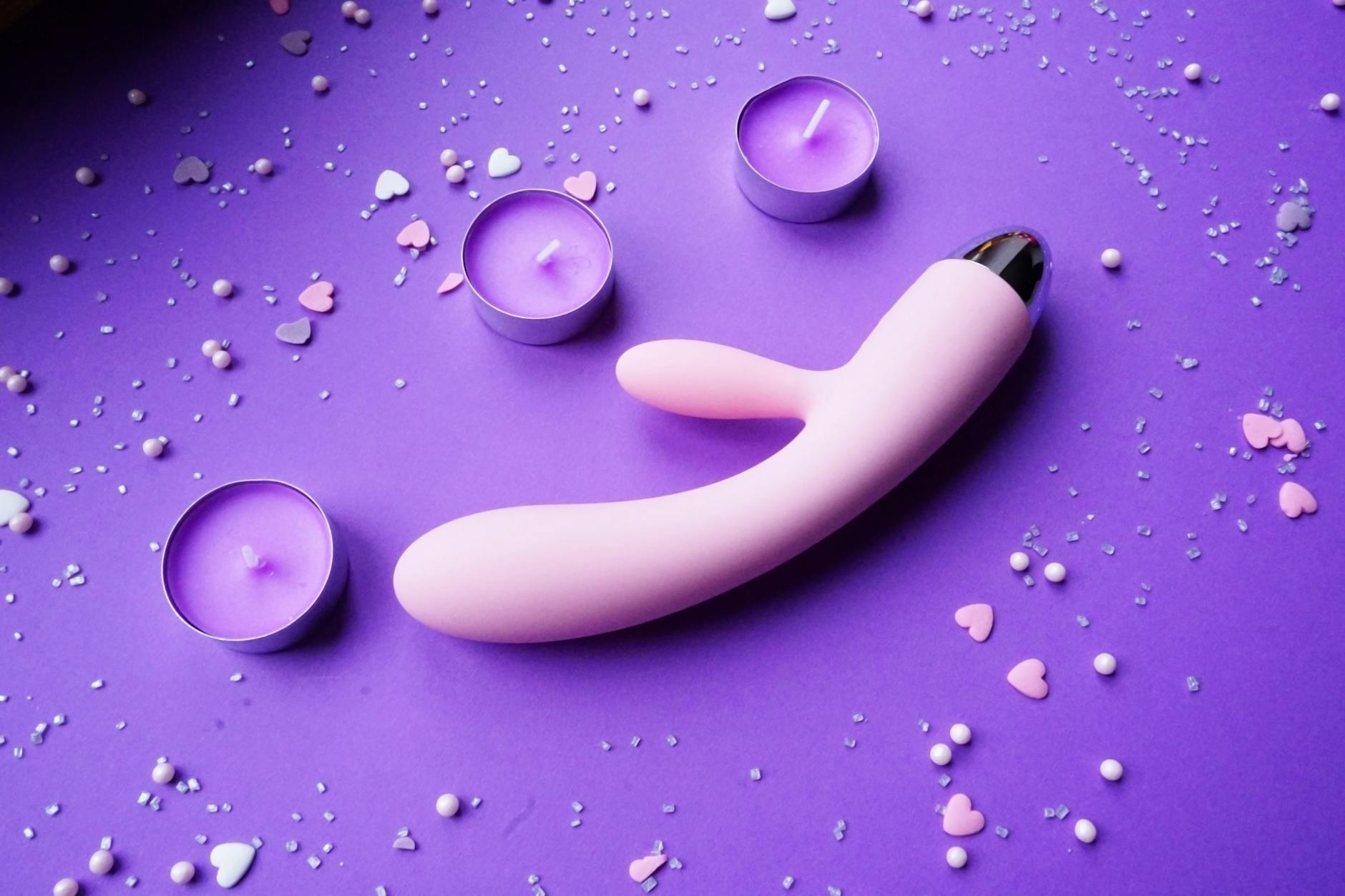
Here's the thing about introducing toys
Most people treat it like they're asking permission to cheat. They don't. A clitoral vibrator isn't a replacement for your partner. It's an expansion. But that distinction gets lost somewhere between Google search and the actual conversation, and suddenly what should be a simple request feels like a negotiation.
The silence around this is wild, honestly. According to recent research, over 70% of people with vulvas use vibrators. Most of them are in relationships. Yet somehow the conversation still feels taboo. It doesn't have to be. I've helped dozens of couples navigate this, and the ones who do it well share something in common: they approach it as a practical upgrade to their intimate life, not a referendum on their partner's performance.
That mindset shift changes everything.
Why the conversation feels hard
Let's name what's actually happening underneath the awkwardness. Your partner might hear "vibrator" and think one of several things: that you're not satisfied, that they're not enough, that this is a sign the relationship is failing. Or they might worry it means you've been thinking about this without them. Or they might just not know anything about lemon vibrators, clitoral stimulation, or how these tools work, and the unfamiliarity feels risky.
None of that is about the toy. It's about vulnerability, assumptions, and the gap between what you mean and what they hear.
Here's what I know from years of relationship coaching: partners usually aren't upset about the vibrator itself. They're upset they weren't brought into the conversation early. They're worried you felt like you had to hide something. They might be defensive about being "replaced." But the actual object? Most people, once they understand the why, are actually curious.
The setup conversation (do this first)
Don't lead with "I want to buy a vibrator." Lead with context.
Pick a moment when you're both relaxed but aware. Not during sex, not when either of you is stressed or tired. I recommend a walk, a car ride, or even a casual evening on the couch. Something where you're side-by-side rather than face-to-face, which paradoxically makes hard conversations easier.
Start with something like: "I've been thinking about our sex life, and I want to try something new. I read that a lot of couples use clitoral vibrators, and I'm curious about it. I wanted to talk to you about it first because it matters to me that we're on the same page."
Notice what that does. It frames this as collaborative exploration, not a unilateral decision. It gives context (you've actually researched this). It acknowledges that their input matters.
Then stop talking. Let them respond. They might ask questions. They might feel defensive. They might be immediately interested. All of that is fine. Your job is to listen and not over-explain. People who feel heard are far more willing to try new things than people who feel sold to.
Address the actual concerns
If they say something like "Aren't I enough?" or "Does that mean you don't like what we do?" don't dismiss it. That's a real feeling, even if the logic isn't quite there.
You might say: "You are absolutely enough. This isn't about you not being enough. It's about me wanting to experience something different, and I want to explore it with you. I'm not bringing this in as a replacement. I'm bringing it in because I think it could feel good for both of us."
If they're concerned about it being weird or uncomfortable, talk specifics. Explain that a lemon vibrator is a clitoral vibrator, which means it stimulates externally. It's not something that replaces anything you do together. In fact, plenty of couples integrate them during partnered sex. You're not asking them to sit on the sidelines. You're inviting them to participate.
If they don't immediately say yes, that's okay. Some people need time to adjust to the idea. Give them that. Circle back in a few days and see if they have questions. Don't weaponize your desire or make them feel guilty for needing processing time.
When to actually bring the toy into the bedroom
Once you've both agreed to try it, resist the urge to pull it out the next time you're intimate. That's too much, too fast.
Instead, introduce it the same way you're introducing the idea: gradually. You might say, "I picked one up. I want to show you what it looks like, no pressure." Let them hold it. Let them ask questions. Let it just exist in your shared space without it being a Big Deal.
The first time you use it together, don't make it the main event. Use it during foreplay, or while you're together in another way. People often think they need to choreograph this perfectly or set a special mood. You don't. It works best when it's integrated naturally into sex you're already having, not treated like a performance piece.
Many couples find it's less weird to start with the vibrator on you while your partner is inside you, or while you're touching each other in other ways. That way, everyone's involved. Nobody's sitting out. The lemon vibrator becomes part of what you're doing together, not something that happens to you alone.
Reading the room after the first time
After you've actually used it, have a real conversation about it. Not a deep analysis, just practical feedback: Did it feel good? Did you like it? Would you want to use it again? What worked, what didn't?
Some partners become genuinely curious after that first time and want to explore more. Some take longer. Some realize it's not their thing but are glad you suggested it anyway. All of those outcomes are fine.
The couples I see who integrate toys successfully aren't the ones who got lucky with their partner's reaction. They're the ones who treated the conversation as communication, not a request for permission. They made space for questions. They didn't make it weird by treating it like it was weird.
A note on timing and context
If your relationship is already rocky, a vibrator won't fix it. In fact, it might feel like a band-aid on a deeper problem. Before you bring this up, make sure the foundation is solid. Are you both emotionally connected? Are you communicating about other things okay? Are you having sex or physical intimacy regularly?
If the answer to any of those is no, the vibrator conversation can wait. Get the relationship grounded first. How to improve intimacy in long-term relationships is a different conversation, and it usually requires more than a toy.
But if you're asking because you want to deepen an already-good intimate connection, you're in the right frame of mind. That's the sweet spot for having this conversation. Your partner will sense that.
The conversation is the intimacy
Here's what couples often miss: the act of having this conversation is itself intimate. You're being vulnerable. You're asking for something you want. You're inviting your partner into something that feels a little risky. That vulnerability often brings couples closer, regardless of whether they end up using the vibrator.
I've had clients tell me that the conversation about bringing in a clitoral vibrator sparked the most honest talk they've had about sex in years. Suddenly they're discussing what they like, what they want, what they've been curious about. The vibrator is almost beside the point. It's just the vehicle for the real conversation.
So approach it that way. Not as a transaction, but as an invitation to connect more deeply. Your partner will feel that difference, and it changes everything.
FAQ
Will introducing a vibrator hurt my partner's feelings?
It might, if you approach it wrong. But honest conversations about desire don't hurt relationships—secrets and assumptions do. If you frame this as exploration rather than criticism, and you genuinely listen to their response, most partners take it well. They might need time to adjust, but that's different from being hurt.
Is it normal for couples to use vibrators together?
Completely normal. Research shows that couples who use toys together report higher satisfaction with their sex lives and stronger communication overall. You're not kinky for wanting this. You're just maximizing pleasure and intimacy, which is what sex is supposed to be about.
How do I know which lemon vibrator to choose if my partner is nervous?
Start simple. A straightforward clitoral vibrator like the Lemon vibrator is intuitive and less intimidating than something with lots of settings or attachments. Small, discreet, clear purpose. That removes some of the mystery and weirdness that comes with more complex toys.
What if my partner says no?
Respect that. You can circle back later if the relationship evolves, but don't push. Some people genuinely aren't comfortable with toys, and that's their boundary to set. If it's something you really want, that's a compatibility question worth sitting with honestly.
Should I buy the vibrator before or after the conversation?
After. Buying it before sends the signal that you've decided and you're just informing them. Having the conversation first and then shopping together, or at least getting their input before you buy, keeps it collaborative.
How do I bring it up if we've never talked about sex directly?
Start smaller. How to use a lemon vibrator with a partner is one approach, but if you've never talked openly about sex at all, the vibrator conversation is probably bigger than just the vibrator. You might need a few lighter conversations first about what you each like, what you're curious about, what feels good. The vibrator becomes the natural next step once you've built that foundation.