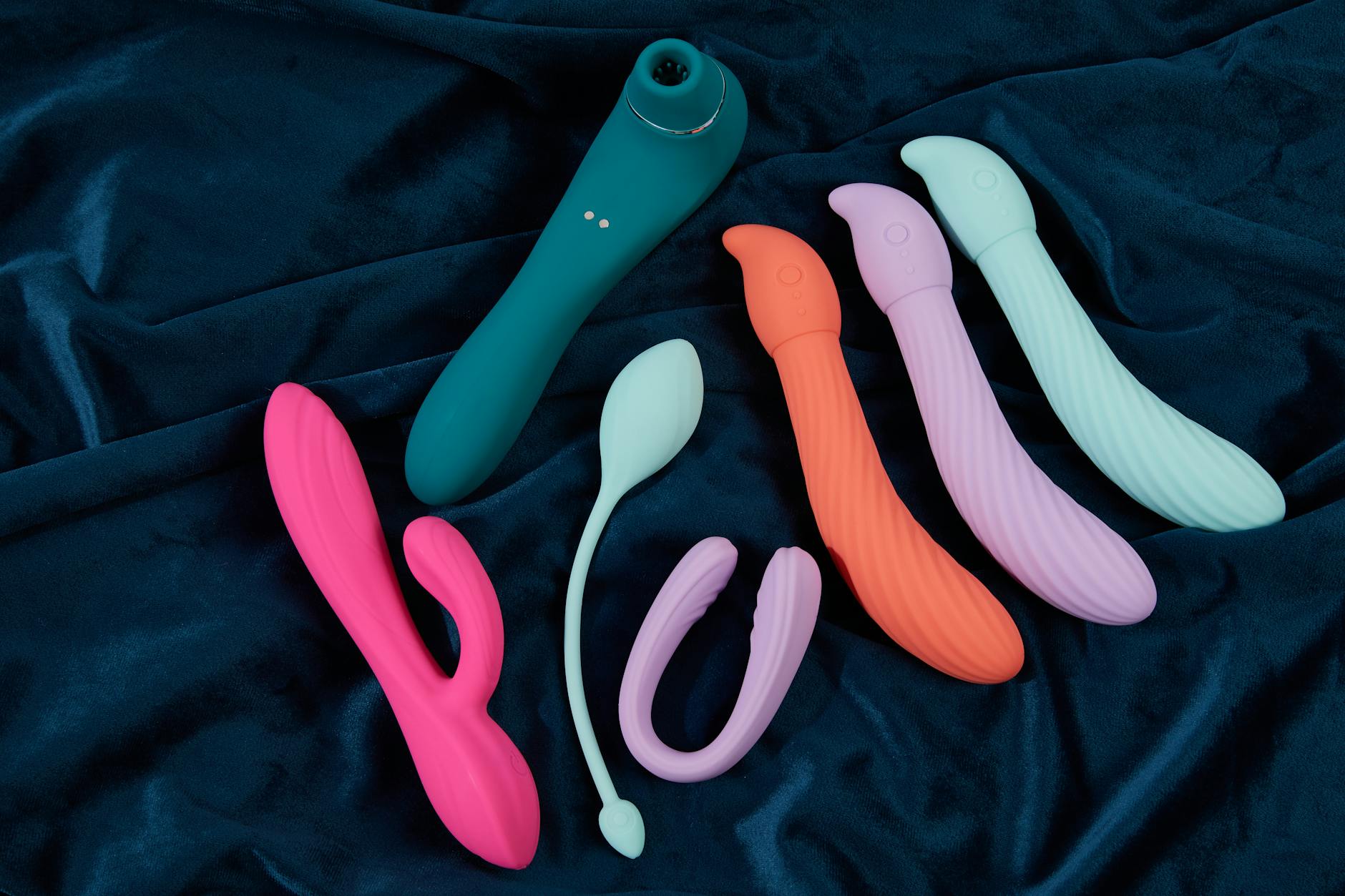
Let's start with the honest part
Nerve damage changes what you can feel. It doesn't change your right to feel good. But almost nobody talks about the practical side of this, and most sex toy advice assumes intact nerve pathways. That's why you're here.
If you've experienced nerve damage from diabetes, chemotherapy, pelvic surgery, or spinal injury, standard vibration often feels like nothing. Or worse, it tingles uncomfortably without delivering the sensation you're looking for. The problem isn't your body. It's that the toy is working too hard in the wrong way.
How nerve damage changes sensation
Your clitoris has about 8,000 nerve endings. When those pathways are damaged, several things can happen. Some women lose fine-touch sensitivity completely. Others experience altered sensation, phantom feelings, or burning. A few find that vibration actually makes pain worse because it triggers damaged nerves without the pleasure payoff.
The key insight: nerve damage doesn't affect every sensory receptor equally. Some nerves are more resilient than others. Pressure receptors sometimes survive when fine-touch nerves don't. Temperature sensation might be intact while texture feedback is gone. This is why one toy feels like nothing and another feels electric.
Here's what also matters. Pleasure is not a straight line from stimulus to orgasm. Your brain compensates. It fills in blanks. It can generate powerful sensation from subtler input if the stimulation is the right kind of stimulation.
Why suction is different from vibration
Traditional vibrators work by shaking the tissue. They send rapid signals through intact nerve pathways. If those pathways are damaged, the signal never arrives.
Lemon vibrators use suction. They create a gentle pulse that pulls the clitoral tissue toward the opening of the toy. This is a completely different neurological pathway. Suction engages pressure receptors and stretch receptors, which often remain intact even when fine-touch nerves are compromised.
Think of it this way. Vibration is like knocking on a door. Suction is like opening the door gently and letting air move through the room. One requires the door to be perfectly hinged. The other works even with a slightly stuck door.
Research on vulva sensation after nerve injury shows that larger-diameter nerve fibers (which handle pressure and stretch) tend to regenerate faster than smaller fibers (which handle fine touch). Lemon clitoral vibrators leverage this. They're working with the nervous system's own recovery patterns, not against them.
What clitoral vibrators with suction do for damaged nerves
Five things happen when you use a quality lemon suction toy:
1. Stimulation bypasses damaged pathways. The suction motion activates pressure and stretch receptors that live separate from the fine-touch nerves that might be impaired.
2. Cumulative sensation builds. With vibration, if you can't feel it, you can't feel it. With suction, even subtle sensation can layer. One pulse feels like almost nothing. Ten pulses start to register. Thirty pulses become unmistakable.
3. Less aggravation of neuropathic pain. Many people with nerve damage report that vibration makes numbness or burning worse. Suction is gentler. It doesn't trigger the same defensive response.
4. Stronger engagement of the whole clitoris. Vibrators tend to stimulate a small point. Suction pulls tissue into the opening, engaging more surface area and more nerve endings at once.
5. The ability to use settings intentionally. <a href="/blog/best-lemon-vibrator-settings-different-body-types">Different lemon vibrator settings activate different intensities of suction</a>, letting you find the exact pressure level your nerves respond to. You're not locked into vibration frequency. You control the pull.
Finding the right intensity for your body
The biggest mistake people with nerve damage make is starting too strong. You'll be tempted to think "if some suction is good, maximum suction is better." Nope.
When nerves are healing or compromised, too much stimulation can create a numbing effect. It's like pressing too hard on your arm until it falls asleep. The overwhelm shuts down sensation instead of opening it.
Start with setting 1 or 2. Spend time there. Let your brain adjust to the new input. Your nervous system will actually get better at interpreting suction over weeks and months. Nerves are plastic. They rewire. If you give them the right stimulus at the right level, they learn to recognize pleasure again.
Keep a small journal. Not for anyone but you. Note what setting felt like something. Note what made things worse. Note what time of day worked best. This pattern data will show you exactly how your nervous system is responding.
The role of lubrication and positioning
With nerve damage, the surface-level stuff becomes crucial because you're not dealing with abundant sensitivity to begin with.
Lubrication matters more than it does for people with intact nerves. Use a water-based lube. It reduces the friction that can create burning or irritation, and it helps the suction seal work better. A better seal means more efficient stimulation with less discomfort.
Positioning matters too. Many people find that lying on their back with legs slightly bent creates the easiest access and the most relaxed pelvic floor. A tense pelvic floor literally contracts around nerves. A relaxed one opens up more surface area for sensation.
Experiment with pillows under your hips or a small wedge to change the angle. The clit isn't vertical. It sits at an angle. Changing your position changes which nerve clusters the suction engages.
When to work with a pelvic floor physical therapist
If your nerve damage is recent or severe, a pelvic floor PT trained in nerve sensitivity can help you understand your specific pattern. They can assess which nerves are affected, teach you restoration techniques, and clear up inflammation that might be blocking sensation.
This matters because some nerve damage improves. Not all, but some. With the right support, your nervous system might regain some function. Using a tool like a lemon clitoral vibrator during that healing window can actually accelerate rewiring.
A good PT can also rule out other things that might be blocking sensation. Scar tissue. Pelvic floor tension. Inflammation. Sometimes those are easier to address than the nerve damage itself.
The patience part (and why it's worth it)
Here's the thing about pleasure after nerve damage. It doesn't come back the way it left. It comes back different. Sometimes better, sometimes more subtle, sometimes more localized. But it comes back.
I've worked with dozens of people navigating this. The ones who get results are the ones who give themselves permission to take six weeks to figure out what works. Who don't compare their sensation to how it used to be. Who understand that their nervous system is literally learning a new language, and that takes time.
A lemon vibrator is a tool. It's an excellent tool for this specific problem. But it's not a magic fix. The real magic happens in patience, curiosity, and the willingness to explore what your body can still do instead of mourning what it can't.
People also ask
Can you feel a lemon vibrator if you have complete numbness?
Complete numbness is rare and usually localized. Even with significant neuropathy, most people can feel something if the stimulus is the right kind. Suction works differently than vibration. If standard vibrators feel like nothing, a lemon clitoral vibrator is worth trying. Start on the lowest setting. You might surprise yourself.
Do lemon sexual toys help with recovering sensation after nerve damage?
In some cases, yes. Consistent, gentle stimulation can help dormant nerves wake up again. Think of it like physical therapy for your nervous system. But this works best if the nerve damage is partial or if there's inflammation that's blocking sensation rather than permanent nerve loss. A pelvic floor PT can help you understand whether recovery is possible in your specific situation.
How long does it take to feel sensation return with a suction toy?
There's no universal timeline. Some people notice a difference in days. Others take weeks. Healing nerve damage is slower than building muscle. If nothing has changed in six weeks, you might need a different approach, but most people report some shift within that window if they're using the right toy at the right intensity.
Is a lemon lem vibrator better than other clitoral vibrators for nerve damage?
Lemon vibrators use suction, which is mechanically different from standard vibration. That's the advantage. Whether a specific model is "better" depends on your body. The Lem is the most studied lemon clitoral vibrator for this application, but the fundamental benefit comes from suction design, not the brand.
What if suction makes my nerve pain worse?
Then suction isn't your pathway. Some people with nerve damage do better with very specific vibration patterns, or with manual stimulation, or with temperature play. If lemon vibrators create pain, stop using them and talk to a pelvic floor PT. You might have a different underlying issue that needs addressing first.
Can I use a lemon adult toy if I'm on gabapentin or other nerve pain medication?
Yes, but timing matters. If you take nerve pain meds, your sensation might be dulled by the medication itself. Some people find that using a toy a few hours after they take their meds (when absorption has stabilized) works better than using it right before. Talk to your doctor about your specific medication and ask when sensation is typically most available.
The bottom line
Nerve damage changes your landscape. But it doesn't end your ability to feel pleasure. The right tool, used thoughtfully, can help you rebuild sensation and find new pathways to satisfaction. <a href="/blog/does-lemon-vibrator-suction-feel-different-than-vibration">Suction stimulation is fundamentally different from vibration</a>, which makes it the smarter choice when standard toys aren't working. Give yourself time. Start low. Stay curious. Your body still has plenty of capacity for good feeling. Sometimes it just needs a different approach to find it.